في التصنيع الدقيق، لا يمثل التصنيع الآلي وحده سوى جزء من العملية. فمراقبة الجودة هي ما يؤكد أن كل مكوّن نهائي يتطابق مع الأبعاد والتفاوتات والتوقعات الوظيفية المطلوبة. بالنسبة للشركات التي تعتمد على الأجزاء المخصصة، يساعد الفحص الموثوق به في تقليل الأخطاء وتحسين الاتساق ودعم نتائج الإنتاج المستقرة.
في التصنيع الآلي باستخدام الحاسب الآلي، حتى العملية المبرمجة جيدًا يجب أن تكون مدعومة بالتحقق المناسب. وهذا الأمر مهم بشكل خاص عند استخدام القِطع في التطبيقات الصناعية الصعبة حيث تكون الملاءمة وقابلية التكرار وجودة السطح مهمة. إن قوة عملية مراقبة الجودة يساعد على ضمان مساهمة كل مرحلة من مراحل التصنيع في الحصول على جزء نهائي يمكن الاعتماد عليه.
تدعم مراقبة الجودة الدقة والاتساق
تتمثل إحدى المزايا الرئيسية للتشغيل الآلي باستخدام الحاسب الآلي في قدرته على إنتاج أجزاء عالية الدقة بنتائج قابلة للتكرار. ومع ذلك، يجب التحقق من التكرار طوال العملية. يساعد الفحص على التحقق من أن الجزء المشكَّل آليًا يظل ضمن المواصفات وأن جودة الإنتاج يتم الحفاظ عليها من أول جزء إلى آخر جزء.
وهذا الأمر ذو قيمة خاصة لتطوير النماذج الأولية والأعمال المخصصة منخفضة الحجم وعمليات الإنتاج الكبيرة. عندما يتم التحقق من القياسات باستمرار، يمكن للمصنعين تحديد التباين في وقت مبكر والحفاظ على تحكم أكثر إحكامًا في النتيجة النهائية.
طرق الفحص المستخدمة في التصنيع الدقيق
غالبًا ما تتضمن مراقبة الجودة في التصنيع الآلي باستخدام الحاسب الآلي قياس الأبعاد والفحص البصري والتحقق من السمات الحرجة. واعتمادًا على مدى تعقيد الجزء، قد يستخدم المصنعون معدات قياس دقيقة للتأكد من مواضع الفتحات وأبعاد السطح والهندسة الكلية للجزء.
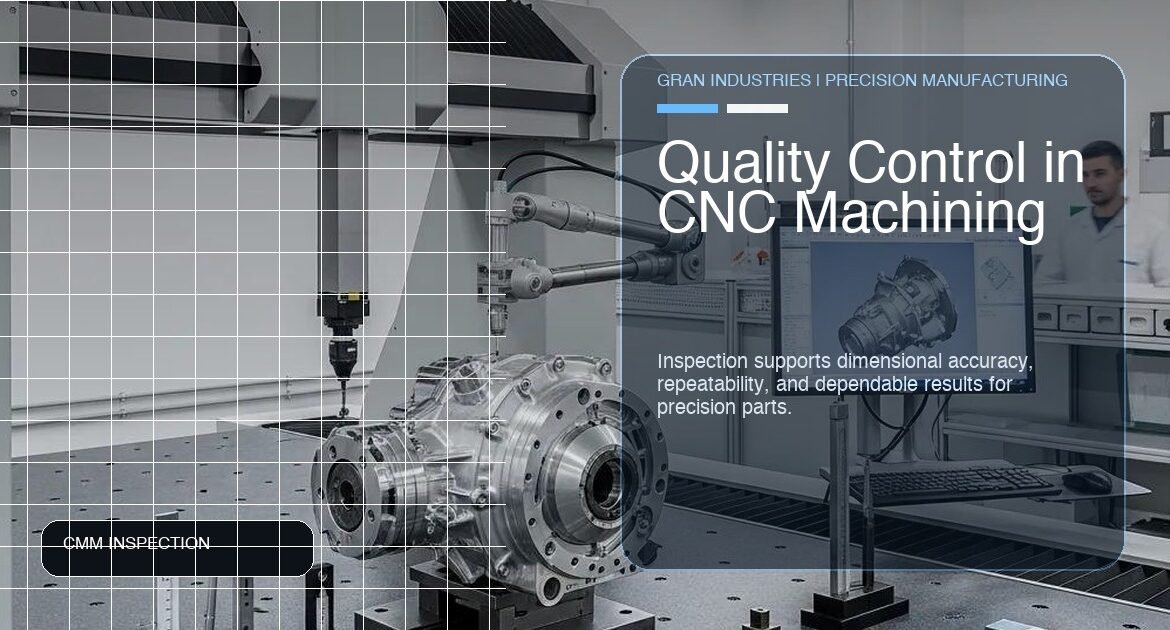
يعد فحص ماكينة قياس الإحداثيات (CMM) مفيدًا بشكل خاص للمكونات الدقيقة لأنه يسمح بقياس مفصل لخصائص الأجزاء المعقدة. وهذا يساعد المصنعين على التأكد مما إذا كان المكون المشغول آليًا يتماشى مع متطلبات التصميم قبل الانتقال إلى التجميع أو التسليم.
سبب أهمية الأجزاء المخصصة
غالبًا ما يتم إنتاج القِطع المشكّلة آليًا حسب الطلب لتلبية متطلبات أداء محددة. وعلى عكس العناصر القياسية الجاهزة، قد تحتاج هذه الأجزاء إلى مطابقة الأبعاد والمواد واحتياجات الاستخدام الفريدة من نوعها. وتساعد مراقبة الجودة على ضمان ترجمة هذه المتطلبات المخصصة بدقة إلى المكوّن النهائي.
سواء كانت المادة من الألومنيوم أو الفولاذ المقاوم للصدأ أو النحاس, ألياف الكربون, أو أي مادة هندسية أخرى، يلعب الفحص دورًا مهمًا في التأكد من أن عملية التصنيع الآلي قد أنتجت النتيجة المرجوة. وهذا أحد الأسباب التي تجعل ضمان الجودة أمرًا محوريًا في تصنيع القطع المخصصة.
دعم الانتقال من النموذج الأولي إلى الإنتاج
تدعم مراقبة الجودة أيضًا الانتقال السلس من عمل النموذج الأولي إلى الإنتاج المتكرر. أثناء وضع النماذج الأولية، يساعد الفحص على التأكد من إمكانية تصنيع التصميم الأولي بدقة. وأثناء الإنتاج، يساعد نفس التركيز على التحقق في الحفاظ على الاتساق عبر وحدات متعددة.
هذا الربط بين التصنيع الآلي والفحص مهم للعملاء الذين يحتاجون إلى المرونة والموثوقية. من خلال الجمع بين دقة التصنيع باستخدام الحاسب الآلي ومراقبة الجودة المنظمة، يمكن للمصنعين دعم المشاريع التي تتطلب أداءً موثوقًا للقطع على مدار الوقت بشكل أفضل.
معيار عملي لتحقيق نتائج تصنيع أفضل
بالنسبة لأي شركة تقوم بتوريد مكونات دقيقة، لا ينبغي التعامل مع مراقبة الجودة كفكرة لاحقة. فهو جزء عملي من عملية التصنيع يدعم الدقة ويقلل من عدم اليقين ويحسن الثقة في المنتج النهائي.
في التصنيع الآلي باستخدام الحاسب الآلي، تساعد ممارسات الفحص القوية في تحويل التصميمات الرقمية إلى أجزاء لا يتم تصنيعها بدقة فحسب، بل يتم التحقق منها بشكل صحيح أيضًا. وهذا المزيج ضروري لتحقيق نتائج موثوقة في التصنيع الدقيق الحديث.
الصفحات ذات الصلة بالخطوة التالية
وتساعد هذه الروابط الداخلية في ربط مراقبة الجودة بالمراجعة وتخطيط الإنتاج والتوجيه الأوسع نطاقًا للعمليات.
- عملية التصنيع الآلي باستخدام الحاسب الآلي باستخدام الحاسب الآلي من الاستفسار إلى التسليم
- لماذا تُعد مراجعة الرسم مهمة قبل عرض أسعار التصنيع باستخدام الحاسب الآلي CNC
- كيفية اختيار النموذج الأولي مقابل التصنيع الآلي باستخدام الحاسب الآلي للإنتاج
- إرسال رسومات لمراجعة مشروع التصنيع الآلي باستخدام الحاسب الآلي
- تصفح المزيد من مقالات التصنيع الآلي باستخدام الحاسب الآلي واختيار المواد