Precision Milling: Comprehensive Guide to CNC Precision Machining and High Accuracy Milling
Precision milling is a critical process in modern manufacturing, enabling the creation of intricate components with high accuracy and repeatability. This comprehensive guide delves into the intricacies of precision milling, particularly focusing on CNC (Computer Numerical Control) precision machining. Readers will learn about the mechanisms behind precision milling, the types of machines used, the materials involved, and the quality control measures that ensure optimal results. As industries increasingly demand precision in their components, understanding the nuances of this process becomes essential. This article will explore the definition of precision milling, the role of advanced technologies, and the future trends shaping this vital manufacturing process.
What is Precision Milling and How Does CNC Precision Machining Work?
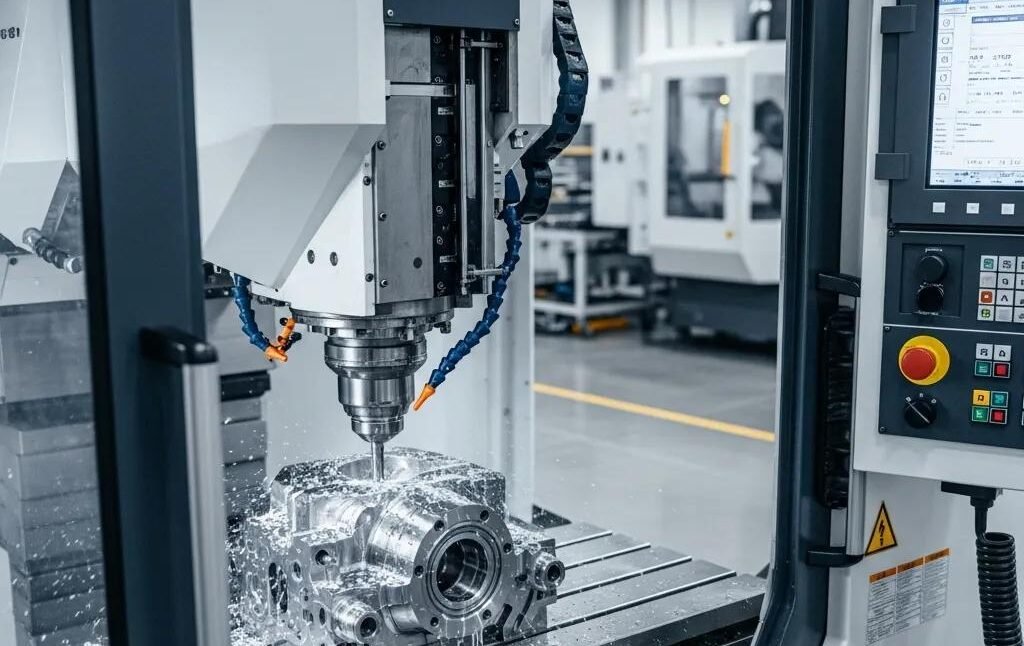
Precision milling refers to the process of removing material from a workpiece using rotary cutting tools to achieve precise dimensions and surface finishes. CNC precision machining automates this process, allowing for high levels of accuracy and repeatability. The integration of computer technology in milling machines enables the execution of complex designs with minimal human intervention, significantly enhancing productivity and precision.
How Does Subtractive Manufacturing Achieve High Accuracy Milling?
Subtractive manufacturing, the foundation of precision milling, involves removing material from a solid block to create the desired shape. Techniques such as high-speed machining and adaptive control systems contribute to achieving high accuracy. For instance, using advanced cutting tools and optimizing feed rates can minimize tool wear and improve surface finish, resulting in components that meet stringent tolerances.
Further emphasizing the capabilities of subtractive manufacturing, micro-milling stands out as a highly precise technique for intricate applications.
Precision Micro-Milling: State-of-the-Art Manufacturing & Applications
Micro-milling is a precision manufacturing process with broad applications across the biomedical, electronics, aerospace, and aeronautical industries owing to its versatility, capability, economy, and efficiency in a wide range of materials. In particular, the micro-milling process is highly suitable for very precise and accurate machining of mold prototypes with high aspect ratios in the microdomain, as well as for rapid micro-texturing and micro-patterning, which will have great importance in the near future in bio-implant manufacturing.
Precision micro-milling process: state of the art, CW Kang, 2021
What Role Do CAD and CAM Play in Custom Milled Parts?
Computer-Aided Design (CAD) and Computer-Aided Manufacturing (CAM) are integral to the precision milling process. CAD software allows engineers to create detailed 3D models of parts, while CAM software translates these designs into machine instructions. This synergy ensures that custom milled parts are produced accurately and efficiently, reducing the likelihood of errors and material waste.
Which Types of Precision Milling Machines Enable 5-Axis Milling Capabilities?
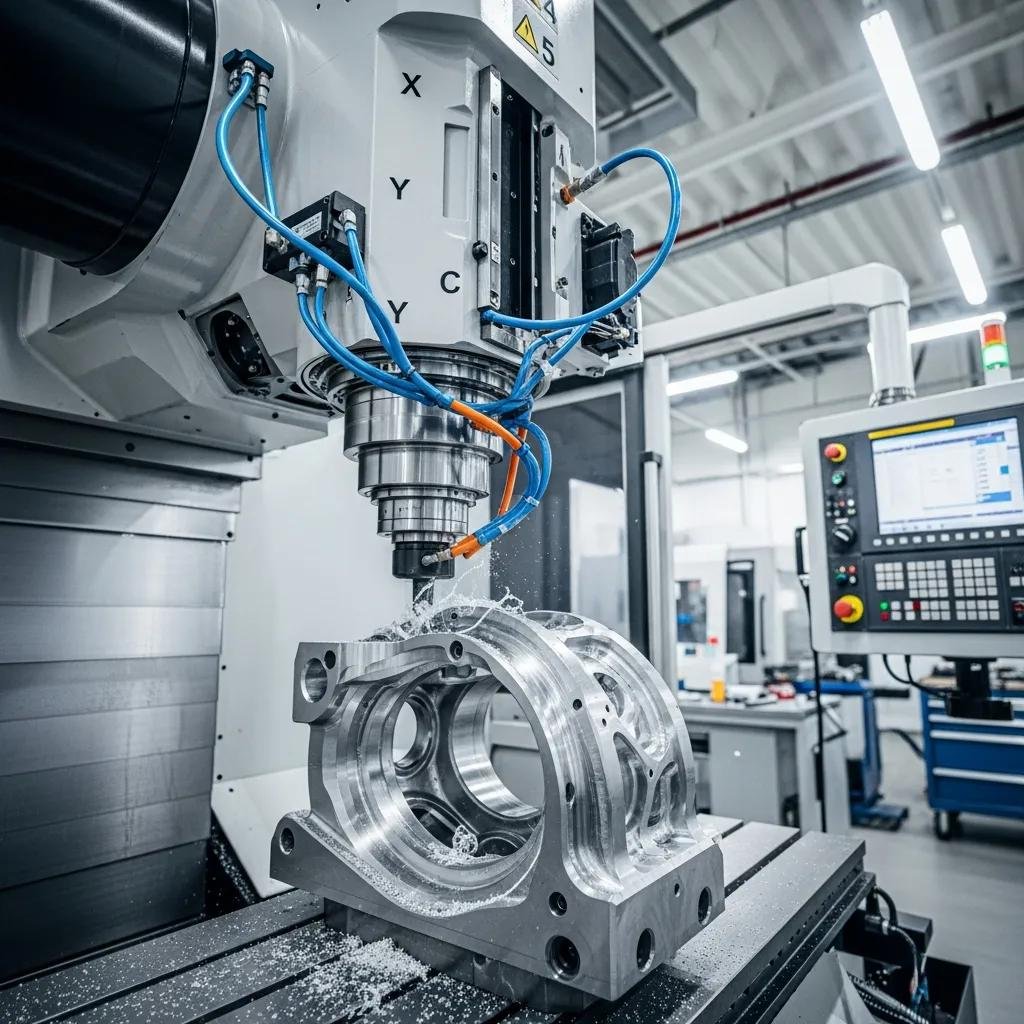
5-axis milling machines are advanced tools that allow for the machining of complex geometries by moving the cutting tool and/or the workpiece along five different axes simultaneously. This capability is essential for producing intricate parts that require high precision and detail.
What Are the Differences Between Vertical, Horizontal, and Multi-Axis Milling Machines?
Vertical, horizontal, and multi-axis milling machines each have unique characteristics that make them suitable for different applications.
- Vertical Milling Machines: These machines have a vertically oriented spindle and are ideal for producing flat surfaces and intricate designs.
- Horizontal Milling Machines: With a horizontally oriented spindle, these machines are better suited for larger workpieces and heavy-duty operations.
- Multi-Axis Milling Machines: These machines can operate on multiple axes simultaneously, allowing for the production of complex shapes and contours.
How Does 5-Axis Machining Improve Complex Geometry Production?
5-axis machining enhances the production of complex geometries by allowing the cutting tool to approach the workpiece from various angles. This capability reduces the need for multiple setups, thereby increasing efficiency and accuracy. Industries such as aerospace and automotive benefit significantly from this technology, as it enables the creation of components with intricate designs that would be challenging to achieve with traditional machining methods.
What Materials Are Commonly Used in Precision Milling for Aerospace and Other Industries?
Precision milling is utilized across various industries, including aerospace, automotive, and medical devices, with a wide range of materials.
How Are Exotic Metals and Advanced Composites Milled with High Precision?
Exotic metals such as titanium and advanced composites require specialized milling techniques to achieve high precision. The use of high-performance cutting tools and optimized machining parameters is essential to prevent tool wear and ensure a quality finish. For example, titanium’s toughness necessitates slower cutting speeds and specific tool geometries to maintain accuracy.
What Are the Challenges of Milling Plastics and Ceramics in Custom Parts?
Milling plastics and ceramics presents unique challenges due to their different material properties. Plastics can deform under heat, while ceramics are brittle and prone to cracking. To overcome these challenges, manufacturers often employ specialized tooling and cooling techniques to maintain dimensional accuracy and surface integrity during the milling process.
How Is Quality Control Ensured in Precision Milling for Aerospace Precision Machining?
Quality control is paramount in precision milling, especially in industries like aerospace, where component failure can have catastrophic consequences.
What Inspection Methods Like CMM Are Used to Achieve Tight Tolerances?
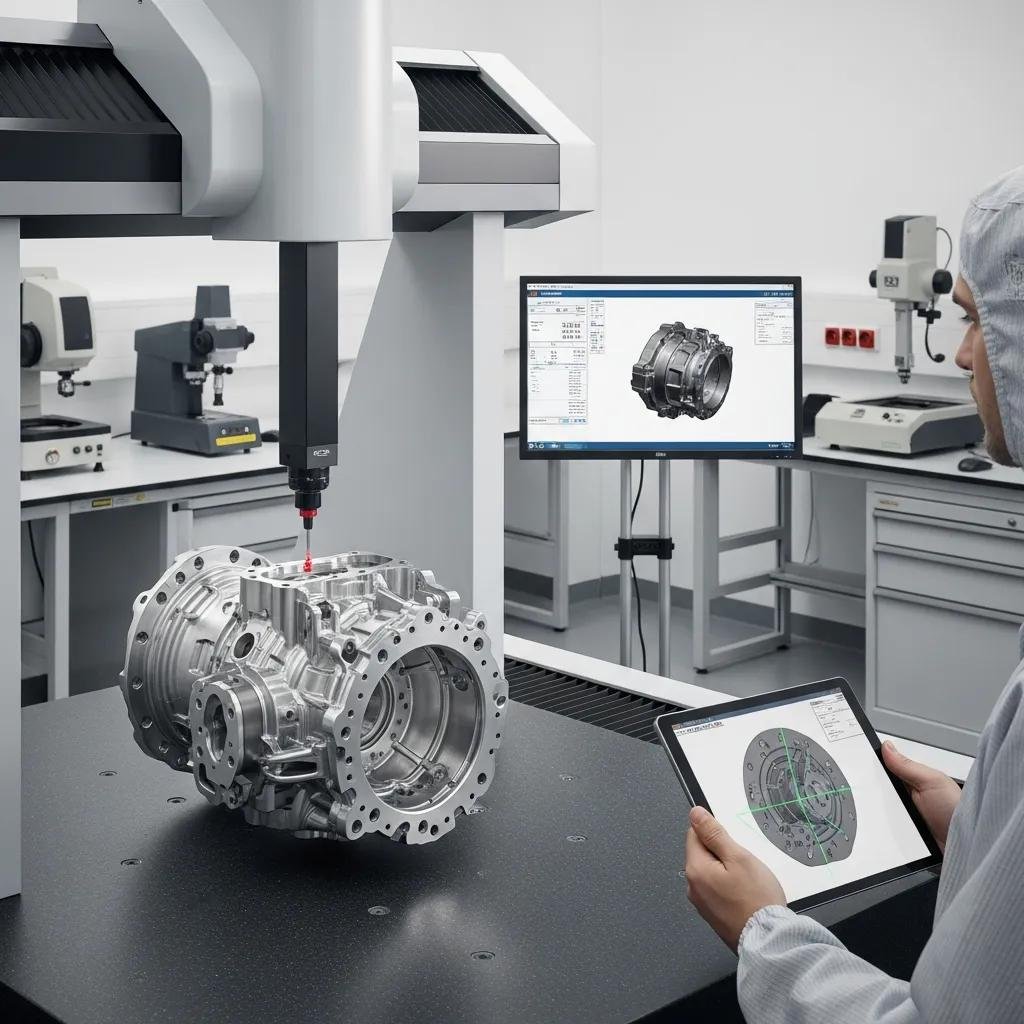
Coordinate Measuring Machines (CMM) are widely used in precision milling to ensure that components meet tight tolerances. These machines measure the physical geometrical characteristics of an object, providing accurate data that can be used to verify compliance with design specifications. Regular calibration and maintenance of CMMs are essential to maintain their accuracy.
How Do Manufacturers Maintain Surface Finish and Repeatability Standards?
Manufacturers maintain surface finish and repeatability standards through rigorous quality control processes. Techniques such as in-process monitoring and post-machining inspections help identify any deviations from desired specifications. Additionally, implementing standardized operating procedures ensures that all operators follow best practices, contributing to consistent quality across production runs.
What Are the Benefits and Applications of Precision Milling in Aerospace and Beyond?
Precision milling offers numerous benefits, making it a preferred choice for various applications across multiple industries.
- High Accuracy: Precision milling achieves tight tolerances, essential for components in critical applications such as aerospace and medical devices.
- Versatility: The ability to work with a wide range of materials, including metals, plastics, and composites, makes precision milling adaptable to different manufacturing needs.
- Cost-Effectiveness: By reducing material waste and minimizing the need for secondary operations, precision milling can lower overall production costs.
How Does Precision Milling Enhance Aerospace Component Performance?
In the aerospace industry, precision milling enhances component performance by ensuring that parts fit together seamlessly and function as intended. For instance, precision-milled components can improve aerodynamics and reduce weight, leading to better fuel efficiency and overall performance of aircraft.
What Custom Solutions Are Available for High Accuracy Milling Needs?
Manufacturers often provide custom solutions tailored to specific high-accuracy milling needs. These solutions may include specialized tooling, unique machining strategies, and dedicated production lines designed to meet the exact specifications of clients. Such tailored approaches ensure that the final products meet the rigorous demands of industries like aerospace and defense.
What Future Trends and Innovations Are Shaping Precision Milling Technologies?
The landscape of precision milling is continuously evolving, driven by technological advancements and changing industry demands.
How Is Industry 4.0 Integration Transforming CNC Precision Machining?
Industry 4.0 integration is revolutionizing CNC precision machining by incorporating smart technologies such as IoT (Internet of Things) and AI (Artificial Intelligence). These technologies enable real-time monitoring and data analysis, allowing manufacturers to optimize machining processes and predict maintenance needs, ultimately enhancing productivity and reducing downtime.
What Advances in Automation and Materials Impact Custom Milled Parts?
Recent advances in automation and materials science are significantly impacting the production of custom milled parts. The development of new materials with enhanced properties, combined with automated machining processes, allows for the creation of components that are not only lighter and stronger but also more cost-effective to produce. This trend is particularly evident in industries such as aerospace, where the demand for high-performance materials is ever-increasing.
| Material Type | Characteristics | Applications |
|---|---|---|
| Titanium | High strength-to-weight ratio, corrosion-resistant | Aerospace components, medical implants |
| Aluminum | Lightweight, good machinability | Automotive parts, structural components |
| Composites | High strength, low weight | Aerospace, automotive, and sporting goods |
The table above illustrates the diverse range of materials used in precision milling, highlighting their unique characteristics and applications across various industries.
Precision milling continues to evolve, driven by technological advancements and the increasing demand for high-quality components. As industries adapt to these changes, the importance of understanding precision milling processes and their applications will only grow.