Comprehensive Guide to CNC Fabrication: Precision Machining and Custom Metal Manufacturing Services
CNC fabrication is a cornerstone of modern manufacturing, enabling precision machining and custom metal manufacturing that meets the demands of various industries. This comprehensive guide will delve into the intricacies of CNC fabrication, exploring its key processes, materials used, and the services that support custom metal fabrication. Readers will gain insights into how CNC machining works, the benefits of different materials, and the industries that rely on these advanced manufacturing techniques. As businesses strive for efficiency and quality, understanding CNC fabrication becomes essential for staying competitive. This article will cover the fundamental processes of CNC fabrication, the materials commonly used, the services available, and the advantages of professional CNC fabrication services.
What Are CNC Fabrication and Its Key Processes?
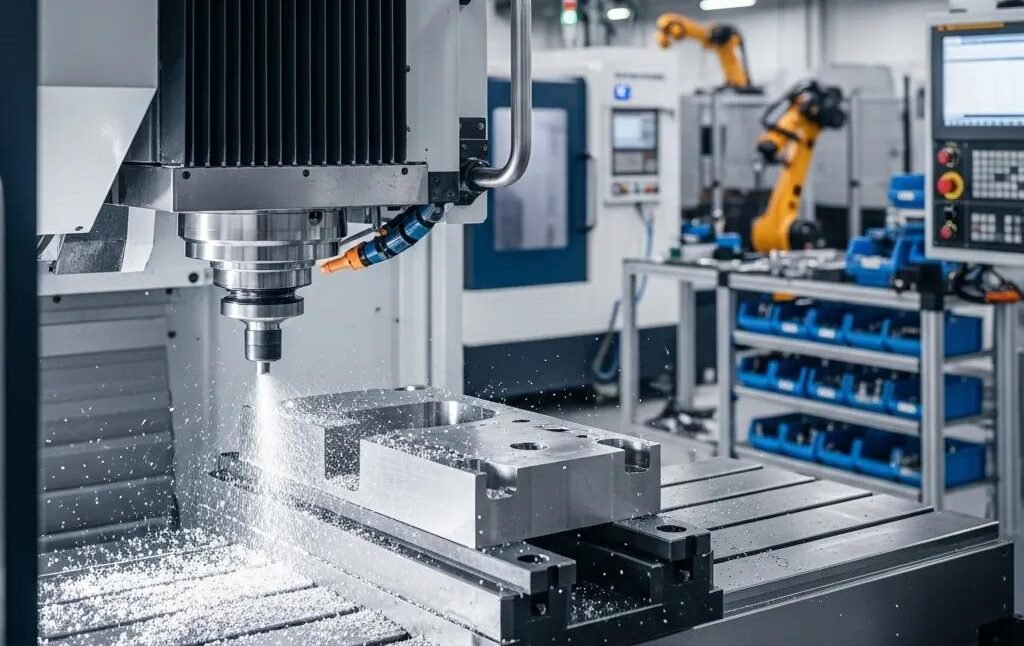
CNC fabrication refers to the use of computer numerical control (CNC) technology to automate the manufacturing process, allowing for high precision and repeatability in producing complex parts. The key processes involved in CNC fabrication include milling, turning, and cutting, each serving distinct purposes in the manufacturing workflow. These processes are essential for transforming raw materials into finished products with exact specifications, making CNC fabrication a vital component of modern manufacturing.
How Does CNC Machining Work in Precision Manufacturing?
CNC machining operates by utilizing computer-controlled machines to execute precise movements and operations on materials. The process begins with a digital design created using CAD (Computer-Aided Design) software, which is then translated into machine instructions through CAM (Computer-Aided Manufacturing) software. This automation allows for high accuracy and efficiency, enabling manufacturers to produce intricate components with minimal human intervention. Industries such as aerospace, automotive, and medical devices benefit significantly from the precision offered by CNC machining.
Indeed, the pursuit of precision in manufacturing often necessitates advanced technological oversight, as human intervention alone may not suffice to meet the rigorous demands of modern production.
Enhancing Precision Manufacturing with Advanced Machining Technology
New demands are being placed on monitoring systems in the manufacturing environment because of recent developments and trends in machining technology and machine tool design (high speed machining and hard turning, for example). In-process sensors play a significant role in assisting manufacturing systems in producing products at a cost affordable to the mass consumer market. In particular, in-process sensors are needed in precision manufacturing systems, because human oversight of the manufacturing process is inadequate to achieve the performance levels necessary in precision manufacturing processes.
Precision manufacturing, 2008
What Are the Main CNC Fabrication Techniques: Milling, Turning, and Cutting?
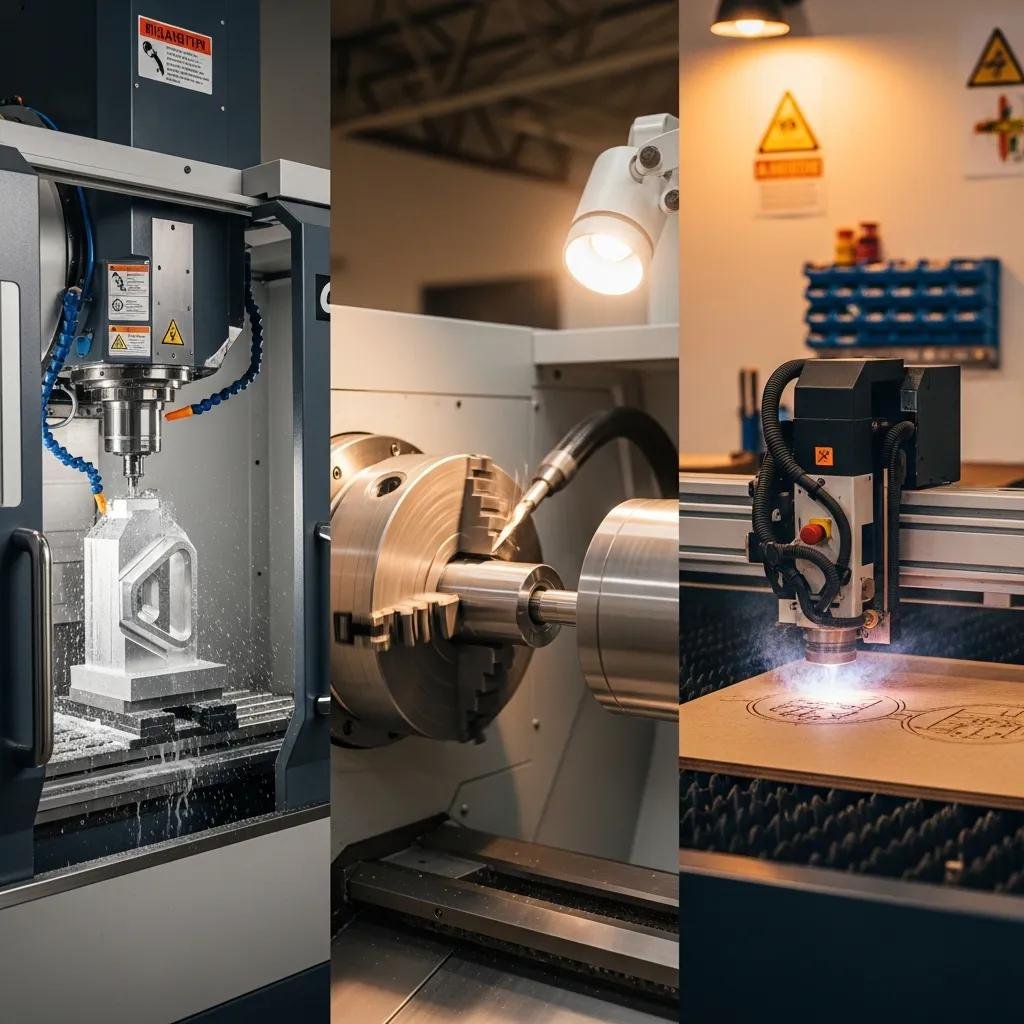
CNC fabrication encompasses several techniques, each with its unique advantages.
- Milling: This technique involves rotating cutting tools to remove material from a workpiece, allowing for complex shapes and features to be created. It is widely used for producing parts with intricate geometries.
- Turning: In turning, the workpiece is rotated while a stationary cutting tool removes material. This method is ideal for creating cylindrical parts and is commonly used in the production of shafts and fittings.
- Cutting: This encompasses various methods, including laser cutting, waterjet cutting, and plasma cutting, which utilize focused energy or abrasive water to slice through materials. These techniques are particularly effective for cutting thin sheets and intricate designs.
Understanding these techniques helps manufacturers choose the right method for their specific applications, ensuring optimal results.
Which Materials Are Commonly Used in CNC Fabrication?
CNC fabrication can utilize a wide range of materials, each offering distinct properties and benefits. The choice of material significantly impacts the performance and application of the final product.
What Are the Benefits of Aluminum and Steel in CNC Machining?
Aluminum and steel are two of the most commonly used materials in CNC machining due to their favorable properties. aluminum CNC machining is particularly valued for its lightweight yet strong characteristics.
- Aluminum: Known for its lightweight and corrosion-resistant characteristics, aluminum is easy to machine and offers excellent strength-to-weight ratios. It is widely used in industries such as aerospace and automotive for components that require both durability and reduced weight.
- Steel: Steel provides superior strength and durability, making it ideal for heavy-duty applications. It is often used in construction and manufacturing for parts that must withstand significant stress and wear.
These materials are chosen based on the specific requirements of the project, balancing factors such as weight, strength, and cost.
How Are Plastics and Exotic Materials Applied in CNC Fabrication?
In addition to metals, CNC fabrication also accommodates various plastics and exotic materials, expanding its application range.
- Plastics: Materials like acrylic, polycarbonate, and nylon are frequently used in CNC machining for their lightweight and versatile properties. They are ideal for applications requiring insulation or resistance to chemicals.
- Exotic Materials: High-performance materials such as titanium and carbon fiber are increasingly utilized in specialized applications, particularly in aerospace and medical devices. These materials offer exceptional strength and lightweight characteristics, making them suitable for advanced engineering solutions.
The ability to work with diverse materials allows CNC fabrication to meet the unique demands of different industries. The role of aluminum CNC machining
What CNC Machining Services Support Custom Metal Fabrication?
CNC machining services play a crucial role in supporting custom metal fabrication, providing the necessary tools and expertise to produce high-quality components.
How Do Milling, Turning, and Drilling Services Enable Industrial CNC Machining?
Milling, turning, and drilling services are fundamental to industrial CNC machining, each contributing to the overall manufacturing process.
- Milling Services: These services allow for the creation of complex shapes and features, making them essential for producing intricate components.
- Turning Services: Turning is vital for producing cylindrical parts, ensuring precision in dimensions and surface finish.
- Drilling Services: Drilling is used to create holes in various materials, essential for assembly and functionality in many applications.
Together, these services enable manufacturers to achieve high levels of customization and precision in their products.
What Role Do Laser and Waterjet Cutting Play in Precision CNC Manufacturing?
Laser and waterjet cutting technologies are integral to precision CNC manufacturing, offering unique advantages for specific applications.
- Laser Cutting: This method uses focused laser beams to cut through materials with high precision, making it ideal for intricate designs and thin materials.
- Waterjet Cutting: Utilizing high-pressure water mixed with abrasives, waterjet cutting can slice through a variety of materials, including metals and composites, without generating heat, which can alter material properties.
These cutting technologies enhance the capabilities of CNC fabrication, allowing for greater flexibility and precision in manufacturing processes.
Which Industries Benefit Most from CNC Fabrication?
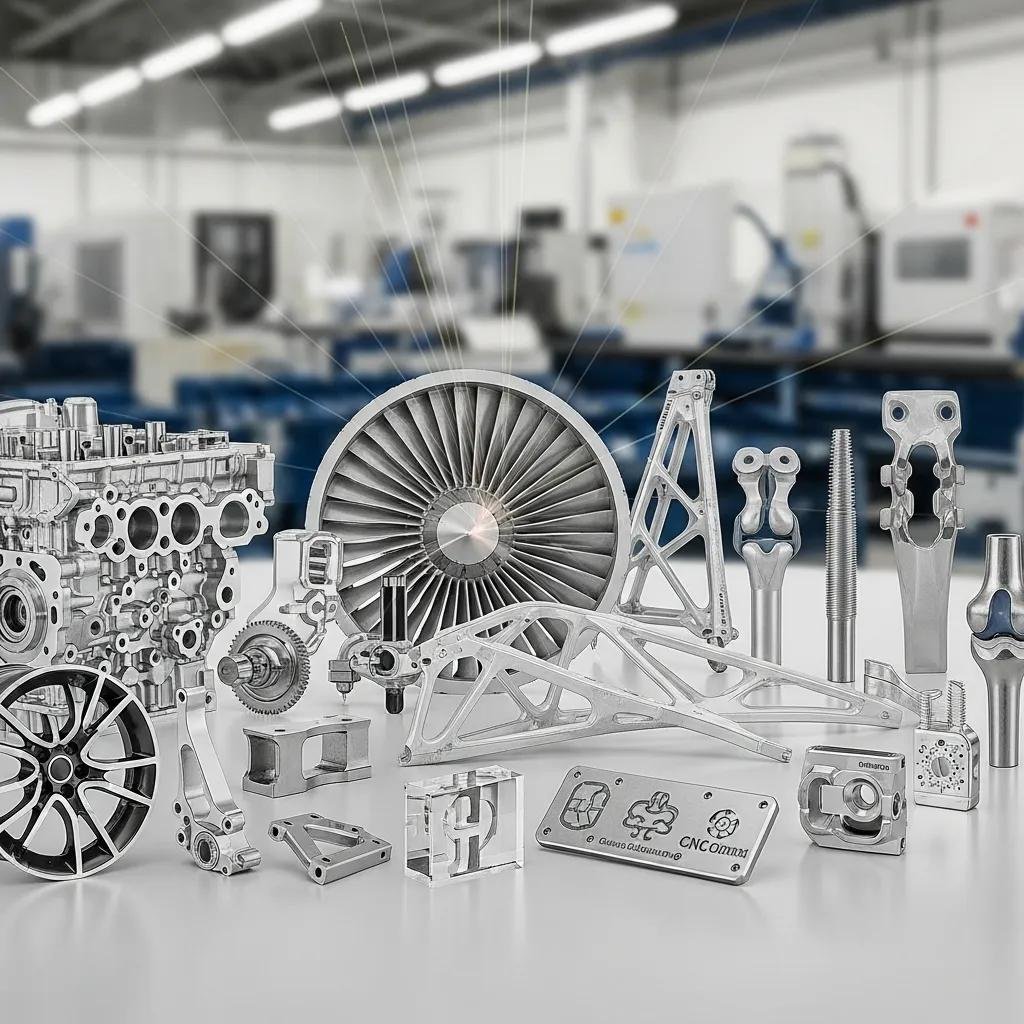
CNC fabrication serves a wide array of industries, each leveraging its capabilities to enhance production efficiency and product quality.
How Is CNC Fabrication Applied in Automotive and Aerospace Manufacturing?
In the automotive and aerospace sectors, CNC fabrication is essential for producing components that require high precision and reliability.
- Automotive: CNC machining is used to manufacture parts such as engine components, transmission housings, and custom fittings, ensuring they meet stringent safety and performance standards.
- Aerospace: The aerospace industry relies on CNC fabrication for critical components like turbine blades and structural parts, where precision and weight reduction are paramount.
These industries benefit from the ability to produce complex geometries and maintain tight tolerances, which are crucial for performance and safety.
Beyond traditional machining, innovative CNC manufacturing techniques, such as patternless casting, are revolutionizing metal part production for the automotive and mechanical equipment industries, offering enhanced flexibility and precision.
CNC Manufacturing for Precision Metal Casting in Automotive
Research indicates that patternless casting CNC manufacturing is a technical renovation compared to the traditional casting manufacturing, with traits of green, digital, flexibility, precision, rapidity. It’s applicable to the rapid manufacturing of metal casting either in single piece or small lot, and the pattern is unneeded. This new technology brings a promising application future in the automobile and mechanical equipment industries.
Research on patternless casting CNC manufacturing technology and development of the equipment, 2010
What Are the CNC Fabrication Needs in Medical Devices and Industrial Machinery?
CNC fabrication is also vital in the medical and industrial machinery sectors, where precision and reliability are critical.
- Medical Devices: CNC machining is used to create components for surgical instruments, implants, and diagnostic equipment, where accuracy and biocompatibility are essential.
- Industrial Machinery: In this sector, CNC fabrication supports the production of parts for machinery and equipment, ensuring they can withstand rigorous operational demands.
The ability to produce high-quality, precise components makes CNC fabrication indispensable in these fields.
The versatility of CNC machining extends to the highly specialized field of medical implants, where a wide array of metallic biomaterials are precisely processed using various subtractive manufacturing techniques.
CNC Machining for Metallic Implant Biomaterials
The present paper reviews numerous non-degradable and degradable metallic implant biomaterials such as stainless steel (SS), titanium (Ti)-based, cobalt (Co)-based, nickel-titanium (NiTi), and magnesium (Mg)-based alloys, followed by their processing via traditional turning, drilling, and milling including the high-speed multi-axis CNC machining, and non-traditional abrasive water jet machining (AWJM), laser beam machining (LBM), ultrasonic machining (USM), and electric discharge machining (EDM) types of subtractive manufacturing techniques.
A comprehensive review on metallic implant biomaterials and their subtractive manufacturing, R Davis, 2022
How Does CNC Prototyping Accelerate Product Development?
CNC prototyping is a powerful tool that accelerates product development by allowing for rapid iteration and testing of designs.
What Are the Steps from CAD Design to CNC Prototype Production?
The process of CNC prototyping begins with a CAD design, which is then translated into machine instructions.
- Design Creation: Engineers create a detailed CAD model of the product.
- CAM Programming: The CAD model is converted into CAM instructions for the CNC machine.
- Prototyping: The CNC machine fabricates the prototype, allowing for testing and evaluation.
This streamlined process enables faster development cycles, reducing time to market for new products.
Why Choose CNC Prototyping for Rapid and Accurate Manufacturing?
CNC prototyping offers several advantages over traditional prototyping methods.
- Speed: CNC machines can produce prototypes quickly, allowing for rapid testing and iteration.
- Accuracy: The precision of CNC machining ensures that prototypes closely match the final product specifications.
- Cost-Effectiveness: By reducing material waste and production time, CNC prototyping can lower overall development costs.
These benefits make CNC prototyping an attractive option for companies looking to innovate and bring products to market efficiently.
Why Choose Professional CNC Fabrication Services for Your Projects?
Opting for professional CNC fabrication services can significantly enhance the quality and efficiency of your manufacturing projects.
What Quality and Precision Standards Define Expert CNC Machining?
Expert CNC machining adheres to stringent quality and precision standards, ensuring that every component meets the required specifications.
- ISO Certification: Many CNC fabrication services are ISO certified, indicating adherence to international quality management standards.
- Precision Tolerances: Professional services can achieve tight tolerances, often within ±0.001 inches (±0.0254 mm), which is critical for high-performance applications.
These standards ensure that the final products are reliable and meet industry requirements.
How Do Custom Solutions and Automation Enhance CNC Fabrication Efficiency?
Custom solutions and automation play a vital role in enhancing the efficiency of CNC fabrication.
- Custom Solutions: Tailored machining processes can optimize production for specific projects, improving turnaround times and reducing costs.
- Automation: Automated CNC machines can operate continuously, increasing production capacity and minimizing human error.
By leveraging these advancements, manufacturers can achieve greater efficiency and quality in their CNC fabrication processes.