Understanding Aluminum CNC Machining
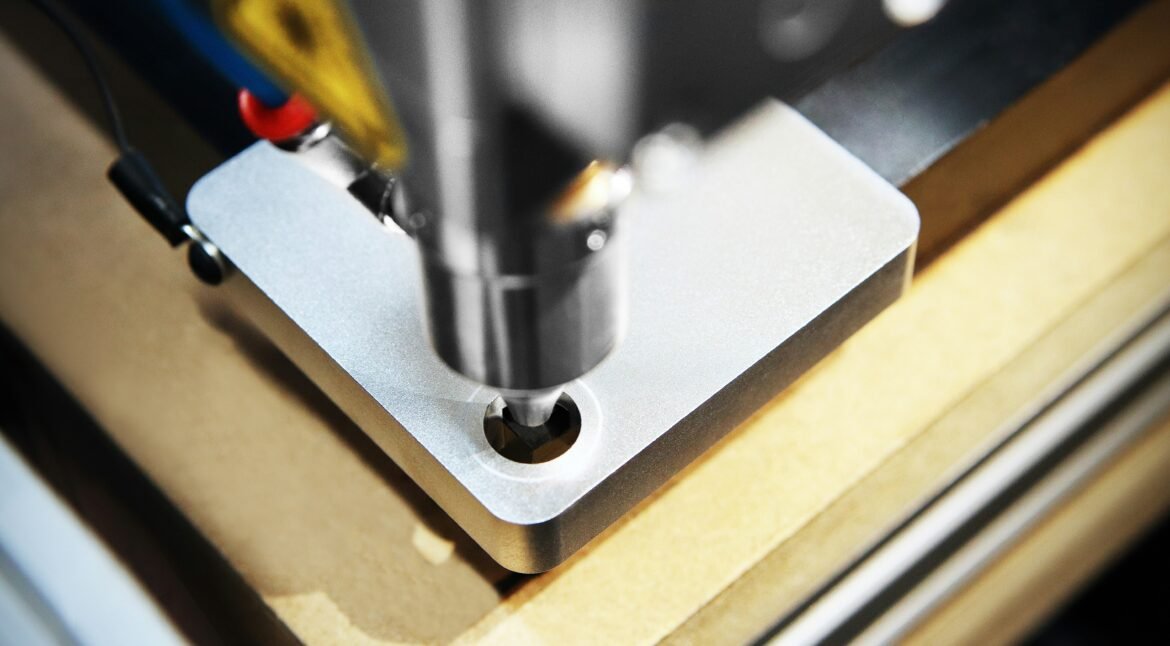
Aluminum CNC machining is a precision engineering process that employs computer numerical control (CNC) to fabricate components from aluminum materials. This method involves the use of software to send precise commands to machines, allowing operators to produce high-quality parts with meticulous accuracy. CNC machining has revolutionized manufacturing, enabling the production of complex geometries and intricate designs that would be challenging to achieve with manual techniques.
The significance of aluminum in CNC machining lies in its lightweight nature, corrosion resistance, and excellent machinability. These properties make aluminum an ideal choice for various industrial applications, such as aerospace, automotive, and electronic devices. CNC machinery is equipped to handle a variety of aluminum grades, enhancing the versatility of the machining process.
There are several types of CNC machines utilized in aluminum CNC machining. These include CNC milling machines, which remove material from a workpiece using rotating cutters; CNC lathes, which rotate the workpiece against stationary cutting tools; and CNC plasma cutters, which use high-velocity ionized gases to cut through aluminum plates. Each machine serves a specific purpose and is essential for achieving the desired dimensions and tolerances of the final product.
The precision achieved through CNC technology is a result of advancements in automation and software integration. Modern CNC machines can operate with minimal human intervention, reducing the potential for error and increasing efficiency. The ability to run multiple operations simultaneously and process intricate designs further enhances the capabilities of aluminum CNC machining, making it a preferred option in high-production environments.
In conclusion, the role of aluminum CNC machining in contemporary manufacturing is significant, as it combines advanced technology with the advantageous properties of aluminum. This synergy fosters precision and efficiency in producing industrial parts, thereby meeting the demands of various industries.
Benefits of Using Aluminum in CNC Machining
Aluminum has become a favorable choice for CNC machining due to its array of beneficial properties. One of the primary advantages of aluminum is its lightweight nature, which facilitates easier handling and reduces energy consumption during the manufacturing process. This characteristic makes aluminum components particularly advantageous in industries such as aerospace, automotive, and consumer electronics where weight reduction is crucial.
Another significant benefit of aluminum is its favorable strength-to-weight ratio. Despite being lightweight, aluminum offers impressive strength, allowing for robust component designs without the added weight burden. This quality not only enhances the performance of the final products but also contributes to overall energy efficiency in applications where weight impacts speed and fuel consumption.
Aluminum is well-regarded for its excellent corrosion resistance as well, stemming from its natural oxide layer that forms when aluminum is exposed to air. This resistance to rust and deterioration extends the lifespan of parts, making aluminum CNC machining a wise choice for products used in harsh environments. This durability translates into less frequent replacements and repairs, thereby lowering lifecycle costs for manufacturers.
The machinability of aluminum further cements its place in CNC machining. Aluminum can be easily cut, shaped, and finished, resulting in high-precision components that meet tight tolerances. The adaptability of aluminum allows for diverse applications, ranging from intricate designs in consumer products to structural components in heavy machinery.
Additionally, aluminum is often more cost-effective compared to other materials, which can contribute to reduced overall production costs. Its availability and versatility ensure that aluminum CNC machining remains a leading option in various industrial applications. In conclusion, the combination of lightweight properties, strength, corrosion resistance, machinability, and cost-effectiveness makes aluminum an optimal material choice for precision parts in CNC machining.
Precision, Tolerance Control, and Surface Finish Quality
Aluminum CNC machining plays a vital role in achieving high precision and tight tolerance control, which are essential for the production of intricate parts in various industrial applications. The integration of advanced Computer Numerical Control (CNC) technology allows manufacturers to produce components with exceptional accuracy, often within tolerances as tight as ±0.005 inches. This level of precision is crucial, particularly in sectors such as aerospace, automotive, and medical devices, where even minor deviations can lead to significant functional impairments.
The precision offered by aluminum CNC machining is largely attributed to the advanced software and hardware utilized in the manufacturing process. Modern CNC machines are equipped with sophisticated algorithms and sensors that monitor the machining process in real-time, ensuring that any inconsistencies are addressed immediately. This capability not only minimizes human error but also enhances the repeatability of the production cycle, establishing a high standard of consistency for each batch of parts produced.
In addition to precision and tolerance control, the quality of surface finish is a critical aspect of the aluminum CNC machining process. A well-finished surface is essential not just for the aesthetic appeal of a product but also for its functional performance. Surface finishes can affect a part’s wear resistance, friction properties, and even its ability to withstand harsh environmental conditions. Techniques such as anodizing, bead blasting, and polishing can be employed post-machining to enhance the surface quality, thereby improving both the strength and longevity of the component. Hence, manufacturers invest significantly in optimizing both the machining processes and the finishing techniques to achieve an ideal balance between precision, tolerance, and surface finish quality.
Consistency and Performance Improvements through CNC Machining
CNC machining, particularly when utilizing materials such as aluminum, plays a pivotal role in enhancing the consistency and precision of industrial parts. The automated nature of CNC machining processes allows for unparalleled repeatability, ensuring that each manufactured component adheres to exact specifications, which is essential in today’s competitive manufacturing landscape. The technology leverages computer numerical control to direct machines, significantly reducing the margin for human error and variability in the production process.
One of the primary advantages of aluminum CNC machining is its ability to produce parts with intricate geometries while maintaining tight tolerances. Over time, this contributes to a high level of accuracy and uniform performance across batches. As machines are programmed to execute the same operation repeatedly, the consistency of the finished components remains exceedingly high. This repeatability is essential in sectors such as aerospace, automotive, and medical devices, where even minor deviations can lead to significant performance issues or safety concerns.
Consider the aerospace industry, which has increasingly adopted CNC machining for fabricating critical components. A notable case study involves a leading aircraft manufacturer that implemented aluminum CNC machining techniques, resulting in a 30% improvement in component consistency compared to traditional machining methods. The system allowed engineers to streamline production, reduce waste, and enhance product reliability. Similarly, in the automotive sector, manufacturers using CNC machining for engine components have reported improved performance and reduced lead times, showcasing how these technological advancements yield measurable operational efficiency.
In essence, the integration of aluminum CNC machining not only enhances the quality and consistency of parts but also contributes significantly to the performance improvements demanded by today’s robust industrial requirements. This level of efficiency is becoming increasingly vital as industries strive to meet customer expectations and maintain competitiveness in the global market.
6 Comments
Expert Firearm CNC Machining for High-Quality Shooting Parts - GRAN INDUSTRIES SDN. BHD.
[…] and the materials used in the process. Additionally, we will explore the importance of quality assurance and compliance in this highly regulated field, as well as the advantages of custom components and […]
Complete Guide to Machining Copper with CNC Milling - GRAN INDUSTRIES SDN. BHD.
[…] CNC milling of copper is a specialized process that requires an understanding of the unique properties of copper and the challenges associated with machining this versatile metal. In this comprehensive guide, we will explore the key properties of copper that affect its machinability, common challenges faced during CNC milling, and the best practices to optimize the machining process. Readers will learn about the tools and techniques that enhance the efficiency and quality of copper components, as well as the applications and industry trends driving the demand for CNC machined copper parts. This article will provide valuable insights for manufacturers and engineers looking to improve their copper machining processes. […]
Custom Part Manufacturing: Precision You Can Trust - GRAN INDUSTRIES SDN. BHD.
[…] standardized products. The key features of custom manufacturing include flexibility, precision, and quality control, allowing manufacturers to adapt to unique specifications and changing market […]
stainless steel parts - GRAN INDUSTRIES SDN. BHD.
[…] machining services, the types of fasteners available, and the manufacturing processes involved in creating high-quality stainless steel […]
Enhance Your Projects with Expert CNC Fabrication Services - GRAN INDUSTRIES SDN. BHD.
[…] Industries such as aerospace, automotive, and medical devices benefit significantly from the precision offered by CNC […]
Precision Manufacturing Solutions for Your Business Needs - GRAN INDUSTRIES SDN. BHD.
[…] article will explore the definition and importance of precision manufacturing, advanced techniques, custom parts manufacturing, quality control, and future trends shaping the […]