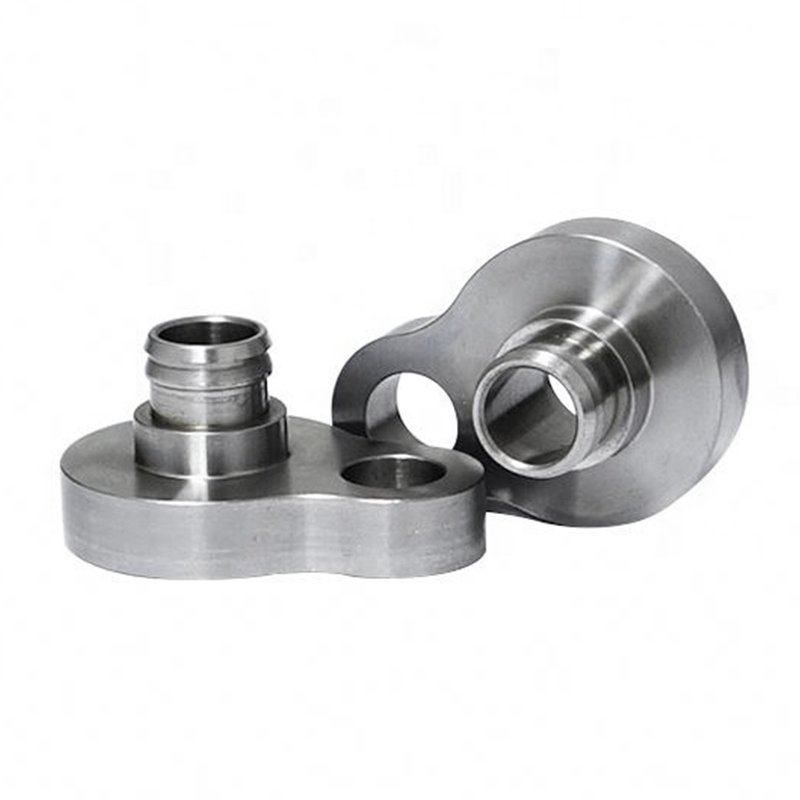
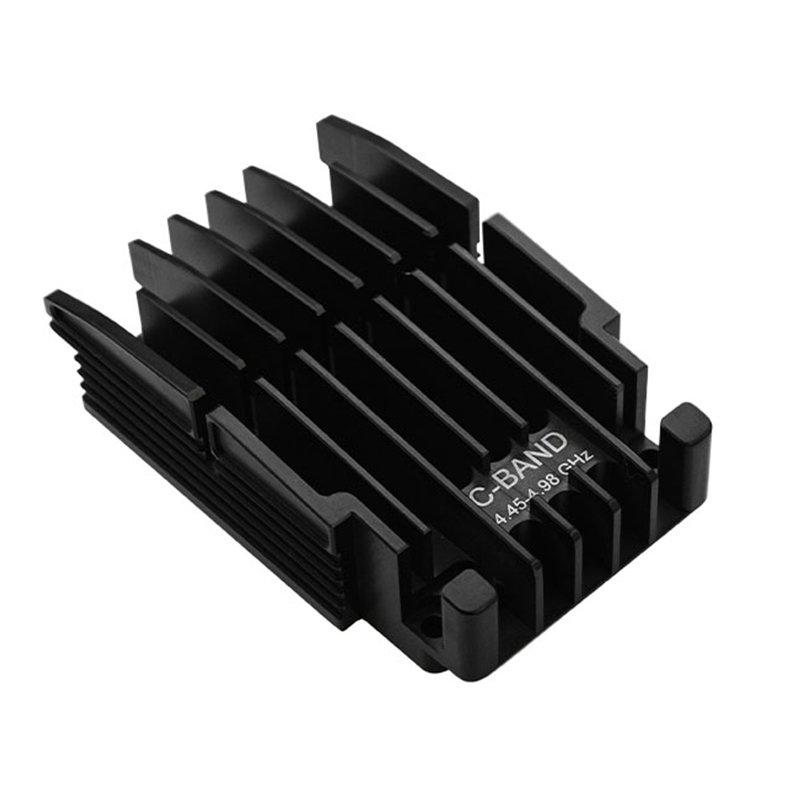
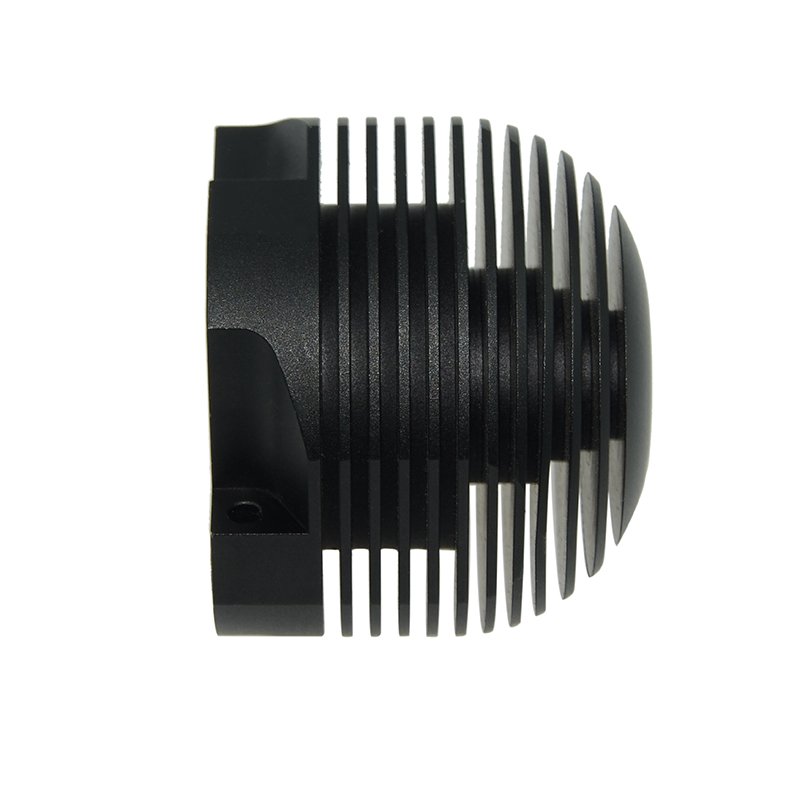
Aluminum Alloy CNC Machining
Precision aluminum components for housings, brackets, plates, and machined assemblies
GRAN INDUSTRIES supports aluminum alloy projects that need low weight, repeatable machining accuracy, and practical production planning. This service is suited to CNC-milled and turned aluminum parts that require controlled dimensions, clean hole features, thread quality, and finishing routes such as anodizing, blasting, polishing, or coating.
Aluminum alloy machining is commonly selected for lightweight structural parts, equipment housings, support brackets, base plates, covers, fixture components, heat-dissipation parts, and appearance parts that need accurate machining plus practical finishing. The process choice depends on part geometry, threaded features, cosmetic surfaces, and production quantity.
Machining processes and the aluminum parts they support
For aluminum projects, the machining route should match the part shape, required hole features, cosmetic expectations, and batch size. Instead of describing aluminum in general terms, this page focuses on the CNC operations most relevant to custom aluminum components and the product types each operation supports.
CNC milling for housings, plates, and brackets
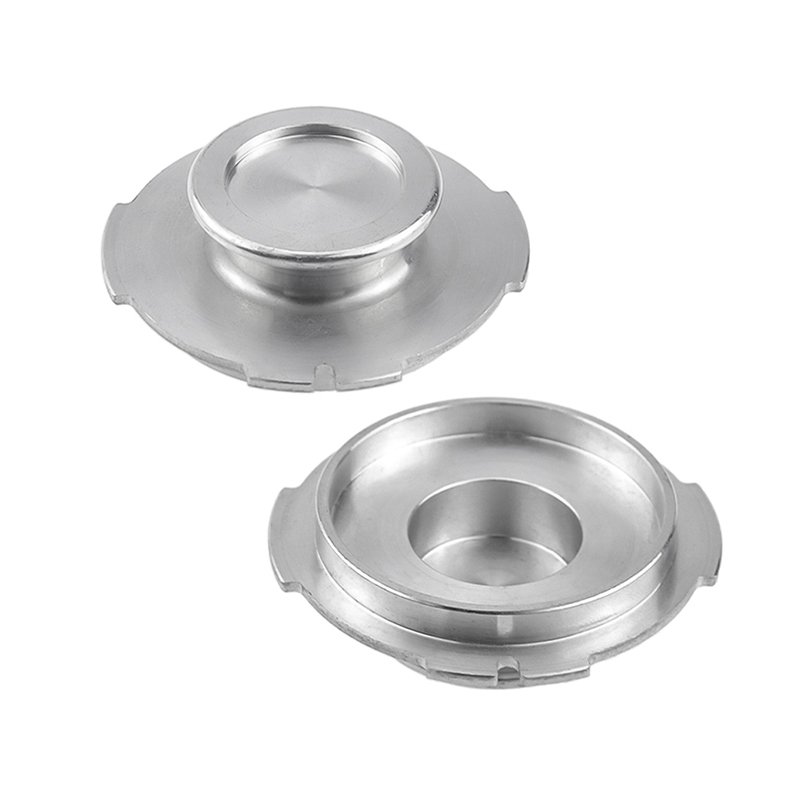
Milling is typically used for aluminum housings, covers, base plates, mounting brackets, fixture plates, and support blocks that need pockets, profiles, faces, slots, and machined datum surfaces.
Turning for round and threaded components
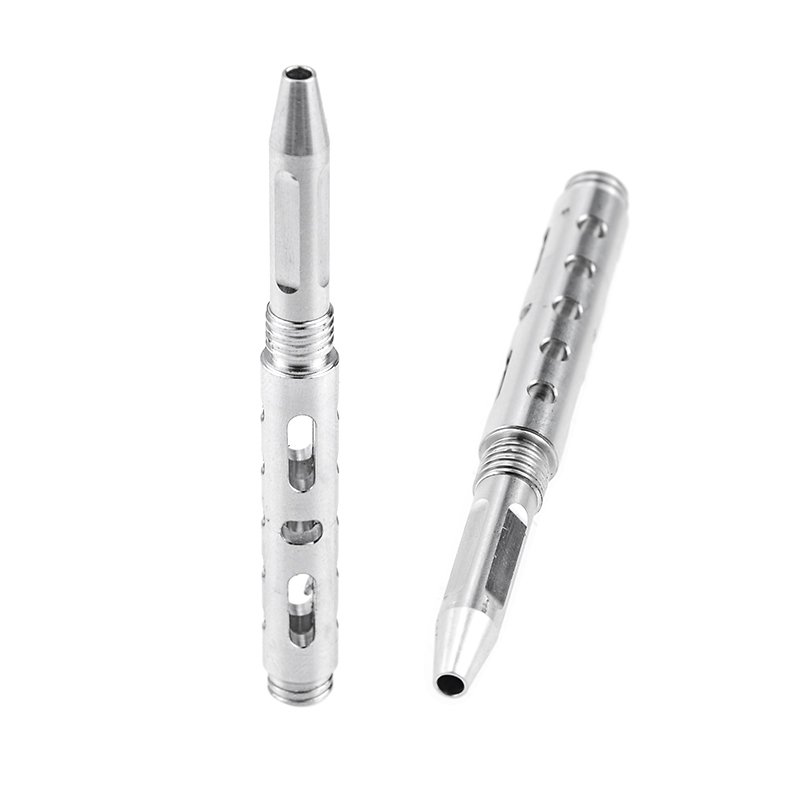
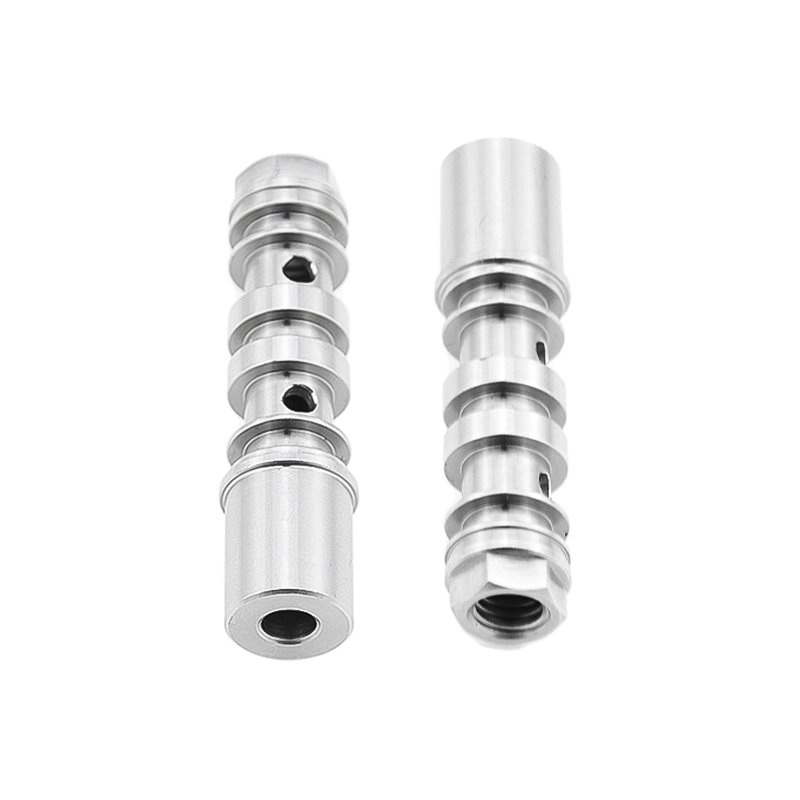
Turning is suited to collars, spacers, sleeves, bushings, caps, threaded round parts, and shaft-like aluminum components that require controlled diameters, concentricity, and repeatable surface quality.
Drilling, boring, and tapping for functional interfaces
Hole making and thread preparation are important for aluminum parts that need fastener locations, cover attachment points, sensor mounting, fixture interfaces, or accurate internal diameters.
Finishing for appearance and corrosion resistance
After machining, aluminum parts are often deburred and prepared for anodizing, blasting, polishing, or coating when the project requires cleaner appearance parts, better corrosion resistance, or more consistent surface presentation.
Typical aluminum part categories
- Electronic enclosures, control boxes, covers, bezels, and instrument housings
- Mounting brackets, support blocks, adapter plates, and fixture components
- Heat-dissipation parts, machined plates, frames, and lightweight structural details
- Spacers, collars, sleeves, caps, and other turned aluminum components
- Custom OEM aluminum parts for prototype validation and scheduled repeat production
How the project is reviewed before production
- Review alloy preference, part geometry, tolerances, and cosmetic surface expectations before quotation
- Confirm whether the part is primarily a milling job, a turning job, or a mixed-operation aluminum component
- Check hole features, thread requirements, wall thickness, and datum relationships that affect machinability
- Coordinate deburring, anodizing, blasting, polishing, or other secondary finishing steps as required
- Support both sample-stage aluminum parts and more stable repeat production planning with inspection in mind
Request a Project Review
Share drawings, quantities, alloy grade, and finish requirements for a faster quotation response
Send your part file, target quantity, preferred aluminum grade, thread or hole requirements, and any finishing notes. We can review the project based on machining approach, feature complexity, and surface expectations before quotation is finalized.