Precision Manufacturing: Comprehensive Guide to CNC Precision Machining, Tight Tolerance Manufacturing, and Advanced Engineering Solutions
Precision manufacturing is a critical aspect of modern engineering, enabling the production of high-quality components with exact specifications. This comprehensive guide delves into the intricacies of precision manufacturing, including CNC precision machining, tight tolerance manufacturing, and advanced engineering solutions. Readers will gain insights into the methods and technologies that drive this essential industry, as well as the benefits it offers across various sectors. As industries increasingly demand precision and efficiency, understanding the principles of precision manufacturing becomes vital for businesses aiming to stay competitive. This article will explore the definition and importance of precision manufacturing, advanced techniques, custom parts manufacturing, quality control, and future trends shaping the industry.
What is Precision Manufacturing and Why is it Essential?
Precision manufacturing refers to the process of producing components with extremely tight tolerances and high accuracy. This approach is essential in industries where even the slightest deviation can lead to significant issues, such as aerospace, medical devices, and automotive manufacturing. The ability to achieve tight tolerances is crucial for ensuring the functionality and safety of products. Precision manufacturing not only enhances product quality but also improves efficiency and reduces waste, making it a cornerstone of modern manufacturing practices.
How Does Precision Manufacturing Achieve Tight Tolerances?
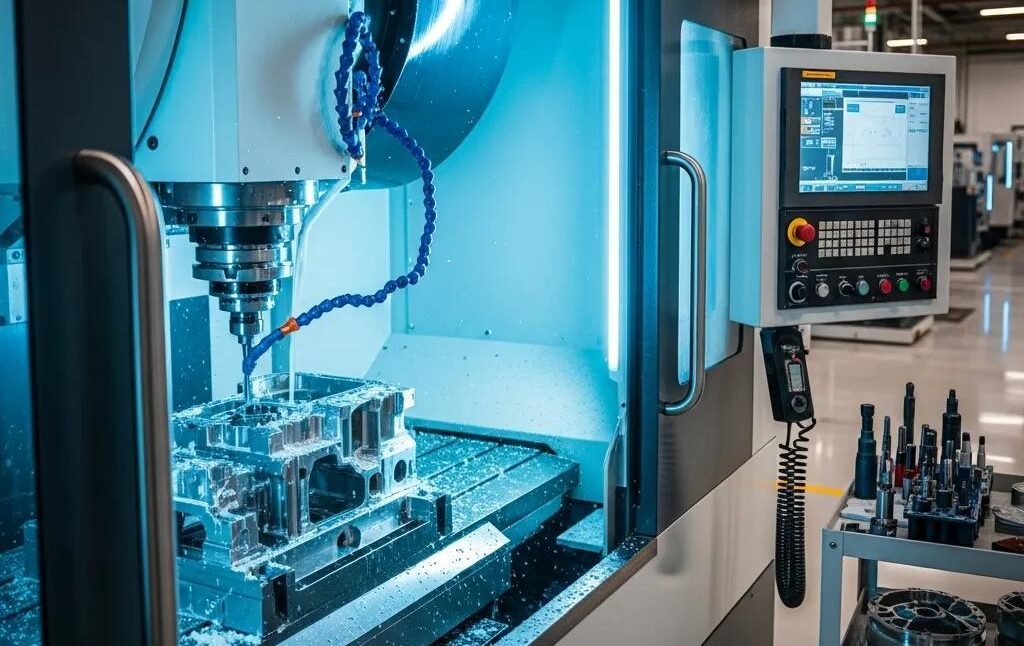
Achieving tight tolerances in precision manufacturing involves a combination of advanced techniques and technologies. Methods such as CNC machining, which utilizes computer-controlled tools, allow for precise cuts and shapes that meet exact specifications. Additionally, techniques like laser cutting and electrical discharge machining (EDM) provide further capabilities for intricate designs. These methods ensure that components are produced with minimal variation, which is vital for applications requiring high reliability and performance.
What Are the Benefits of Precision Engineering Solutions?
Precision engineering solutions offer numerous advantages, including:
- Cost Efficiency: By minimizing material waste and reducing the need for rework, precision manufacturing can significantly lower production costs.
- Quality Improvement: High precision leads to better product quality, which enhances customer satisfaction and reduces returns.
- Market Competitiveness: Companies that utilize precision manufacturing can produce superior products, giving them a competitive edge in the market.
For businesses looking to enhance their manufacturing processes, integrating precision engineering solutions can lead to substantial improvements in both product quality and operational efficiency.
Which Advanced Manufacturing Techniques Define Precision Machining?
Advanced manufacturing techniques play a pivotal role in defining precision machining. These methods not only enhance the capabilities of manufacturers but also expand the range of applications for precision components.
How Does CNC Precision Machining Work: Milling, Turning, and Grinding?
CNC precision machining encompasses several processes, including milling, turning, and grinding.
- Milling: This process involves rotating a cutting tool to remove material from a workpiece, allowing for complex shapes and features to be created with high accuracy.
- Turning: In turning, a workpiece is rotated while a cutting tool is applied to shape it, commonly used for cylindrical parts.
- Grinding: This technique uses an abrasive wheel to achieve a smooth finish and precise dimensions, often used for final finishing of components.
These processes are integral to producing high-quality precision parts that meet stringent industry standards.
What Are Emerging Advanced Techniques: EDM, Laser Cutting, and Hybrid Methods?
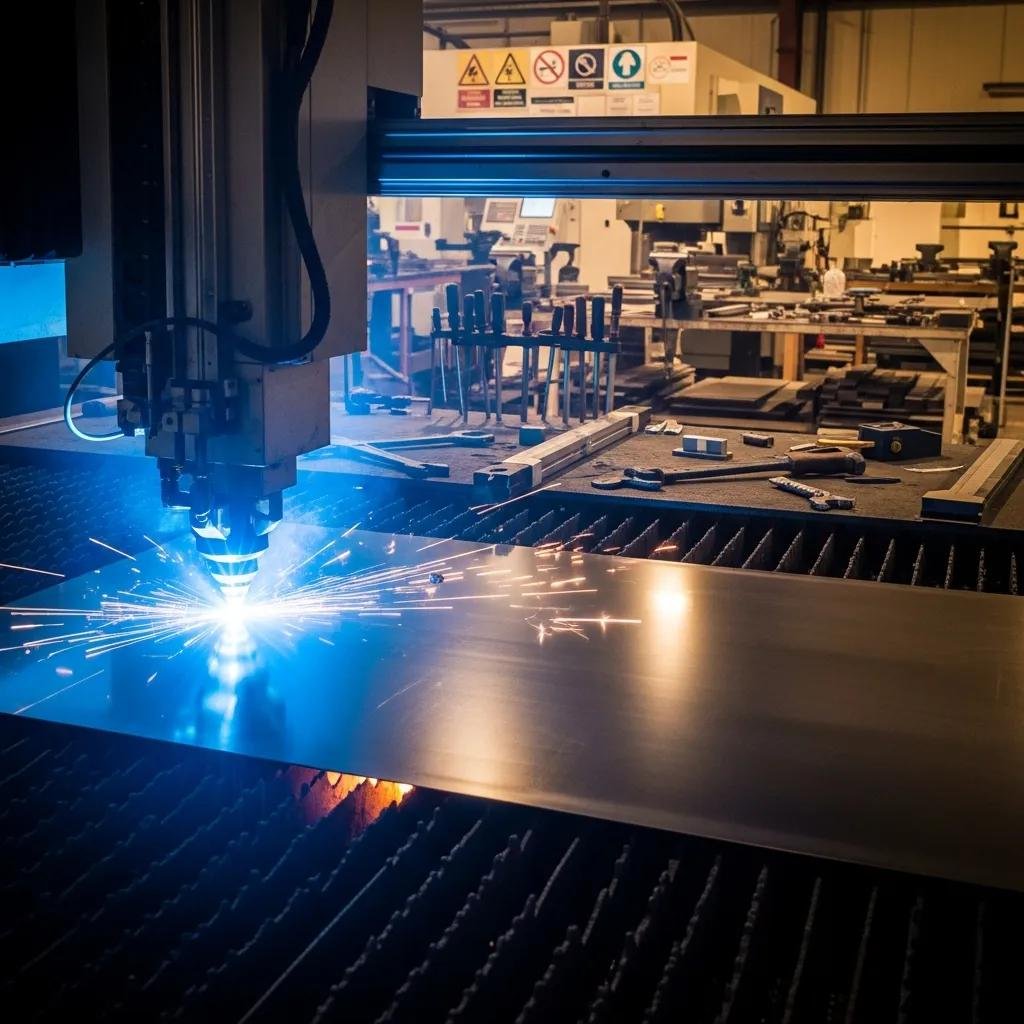
Emerging techniques such as Electrical Discharge Machining (EDM) and laser cutting are revolutionizing precision machining.
- EDM: This method uses electrical discharges to remove material, allowing for intricate shapes and fine details that traditional machining cannot achieve.
- Laser Cutting: Utilizing focused laser beams, this technique provides high precision and speed, making it ideal for cutting complex geometries in various materials.
- Hybrid Methods: Combining different machining processes, hybrid methods enhance flexibility and efficiency, enabling manufacturers to tackle a wider range of applications.
These advanced techniques are essential for meeting the growing demands of precision manufacturing in various industries.
How Are Custom Precision Parts Manufactured for High-Demand Industries?
Custom precision parts are critical for industries such as aerospace, medical, and defense, where specific requirements must be met to ensure safety and performance.
What Materials Are Used in Tight Tolerance Manufacturing?
The choice of materials in tight tolerance manufacturing is crucial. Common materials include:
- Aluminum: Lightweight and corrosion-resistant, ideal for aerospace applications.
- Stainless Steel: Offers strength and durability, commonly used in medical devices.
- Titanium: Known for its high strength-to-weight ratio, often used in aerospace and medical applications.
Selecting the right material is essential for achieving the desired performance and longevity of precision parts.
Which Industries Rely on Precision Manufacturing: Aerospace, Medical, and Defense?
Several high-demand industries rely heavily on precision manufacturing, including:
- Aerospace: Requires components that can withstand extreme conditions and ensure safety.
- Medical: Precision parts are vital for devices that must operate reliably within strict tolerances.
- Defense: Components must meet rigorous standards for performance and reliability.
These industries benefit significantly from the advancements in precision manufacturing, which enhance product quality and operational efficiency.
How Is Quality Control and Metrology Integrated into Precision Manufacturing?
Quality control and metrology are integral to precision manufacturing, ensuring that products meet the required specifications and standards.
What Methods Ensure Accuracy: CMM, Optical Inspection, and In-Process Measurement?
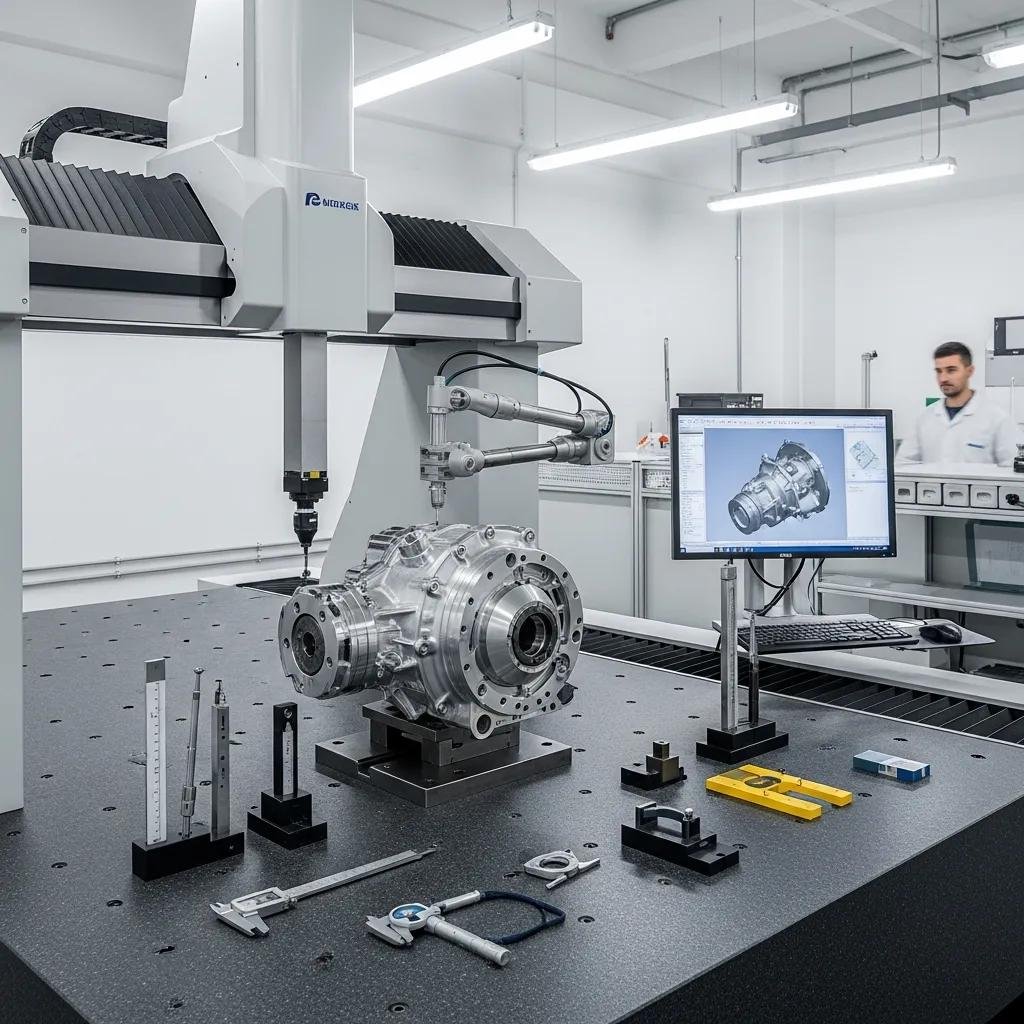
Several methods are employed to ensure accuracy in precision manufacturing:
- Coordinate Measuring Machines (CMM): These devices measure the physical geometrical characteristics of an object, providing precise data for quality assurance.
- Optical Inspection: This method uses light to inspect components, allowing for non-destructive testing of surface features.
- In-Process Measurement: Implementing measurement during the manufacturing process helps identify issues early, reducing waste and rework.
These methods are essential for maintaining high standards of quality in precision manufacturing.
Which Certifications Validate Precision Manufacturing Quality?
Certifications play a crucial role in validating the quality of precision manufacturing processes. Common certifications include:
- ISO 9001: Focuses on quality management systems and continuous improvement.
- AS9100: Specifically for aerospace quality management, ensuring compliance with industry standards.
- ISO 13485: Pertains to medical device manufacturing, emphasizing safety and effectiveness.
These certifications provide assurance to customers that manufacturers adhere to stringent quality standards.
What Future Trends Are Shaping Precision Manufacturing in 2026 and Beyond?
The landscape of precision manufacturing is continuously evolving, driven by technological advancements and changing market demands.
How Does Industry 4.0 and AI-Driven Machining Enhance Precision?
Industry 4.0 and AI-driven machining are transforming precision manufacturing by integrating smart technologies into production processes.
- Smart Factories: These facilities utilize IoT devices to monitor and optimize manufacturing operations in real-time, enhancing efficiency and reducing downtime.
- AI Algorithms: Machine learning algorithms analyze data to predict maintenance needs and optimize machining parameters, leading to improved precision and reduced waste.
These innovations are set to redefine the capabilities of precision manufacturing, making it more efficient and responsive to market needs.
What Sustainable Practices and Digital Twins Are Revolutionizing Production?
Sustainability is becoming increasingly important in precision manufacturing. Practices such as: our process
- Resource Optimization: Reducing material waste and energy consumption through efficient processes.
- Digital Twins: Creating virtual replicas of physical systems to simulate and optimize manufacturing processes.
These approaches not only enhance efficiency but also contribute to environmental sustainability, aligning with global efforts to reduce carbon footprints.
Further emphasizing their importance, recent research highlights how digital twin technology is revolutionizing precision in complex assembly processes.
Digital Twin for Tight Tolerance & Precision Manufacturing
In summary, this paper introduces a novel DT-based tolerance allocation method that facilitates precision improvement in complex product assembly, preventing out-of-tolerance issues and meeting the precision demands of modern aerospace manufacturing.
Digital twin technology facilitates precision improvement in complex product assembly: A progressive deduction method of data-driven tolerance allocation, 2024
| Technique | Description | Benefits |
|---|---|---|
| CNC Machining | Computer-controlled cutting tools | High precision, repeatability |
| EDM | Electrical discharges for material removal | Intricate shapes, minimal material waste |
| Laser Cutting | Focused laser beams for cutting | Speed, precision, versatility |
| Certification | Focus Area | Importance |
|---|---|---|
| ISO 9001 | Quality management | Continuous improvement |
| AS9100 | Aerospace quality | Compliance with industry standards |
| ISO 13485 | Medical devices | Safety and effectiveness |
In conclusion, precision manufacturing is a vital component of modern engineering, offering numerous benefits across various industries. By understanding the techniques, materials, and quality control methods involved, businesses can leverage precision manufacturing to enhance their operations and meet the demands of a competitive market.