1. Почему легкие композитные материалы больше не являются просто дополнительным вариантом
В 2026 году инженерные команды сталкиваются с растущим давлением, требующим снижения веса при одновременном сохранении прочности конструкции. Композитные материалы на основе углеродного волокна превратились из специального материала, используемого в гонках, в стандартный элемент при проектировании продукции — однако многим заказчикам по-прежнему сложно найти партнеров по производству, способных сочетать стабильное качество с разумными сроками выполнения заказов и эффективным взаимодействием.
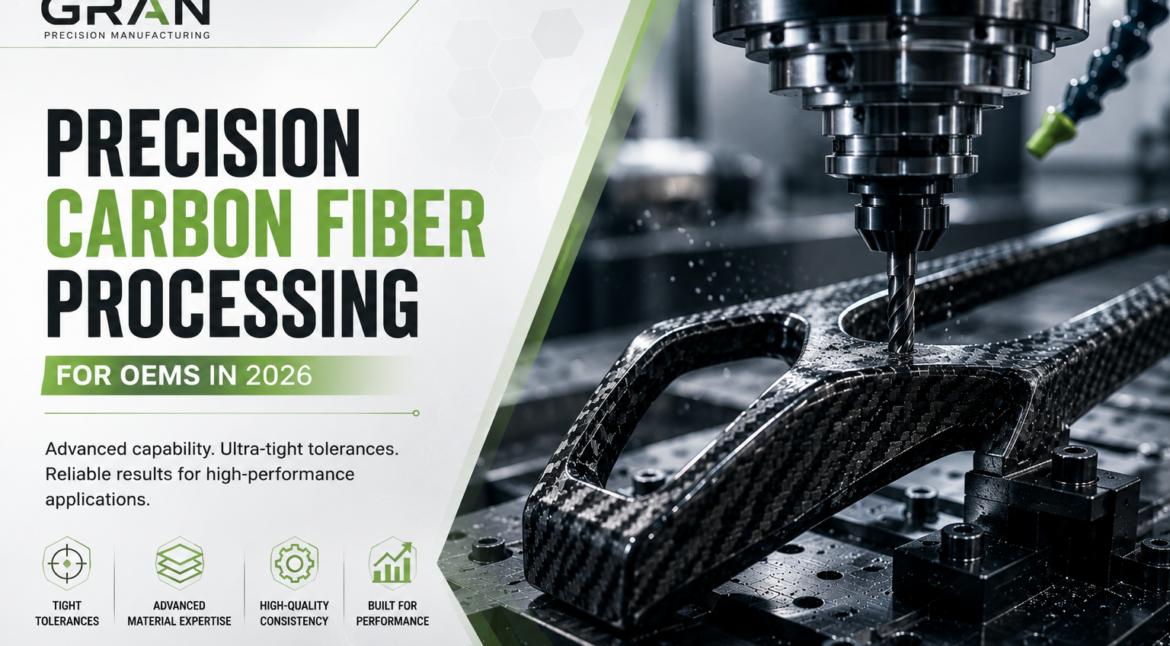
Именно здесь на сцену выходит компания Gran Industries. Благодаря Обработка углеродного волокна услуга доступна по адресу gran.my/service/обработка-углеродного-волокна, Компания Gran предлагает услуги по прецизионной резке, сверлению, зенкерованию, обрезке кромок, фрезерованию с ЧПУ и контролируемой финишной обработке легких композитных деталей — от проверки прототипов до серийного производства.
2. Все больше аргументов в пользу углеродного волокна в 2026 году
Цифры говорят сами за себя. По оценкам, в 2026 году объем мирового рынка углеродного волокна и композитных материалов составит примерно 37,5 млрд долларов США, а до 2032 года он будет расти со среднегодовым темпом роста (CAGR) около 9–13%, при этом на долю Азиатско-Тихоокеанского региона придется примерно 38% от общей доли рынка. Только в автомобильной отрасли темпы внедрения углеродного волокна растут быстрее всего: по прогнозам, в 2026 году объем рынка достигнет 30,65 млрд долларов США, а к 2032 году превысит 70 млрд долларов США при среднегодовом темпе роста (CAGR) на уровне 14,63%.
Что лежит в основе этой динамики? Углеродное волокно обладает исключительным соотношением прочности к весу, высокой жесткостью и высокой коррозионной стойкостью — тремя характеристиками, которые напрямую соответствуют приоритетам производителей электромобилей, разработчиков дронов, инженеров-аэрокосмистов и разработчиков спортивного инвентаря. Стремление к снижению веса уже не является просто маркетинговым лозунгом; это реальная техническая необходимость, которая влияет на запас хода на одной зарядке аккумулятора, грузоподъемность, конструктивные характеристики и общую конкурентоспособность продукции.
С точки зрения цепочки поставок Малайзия становится всё более привлекательным центром переработки. Внутренний рынок углеродного волокна готовится к росту, чему способствует расширение его применения в аэрокосмической и автомобильной отраслях, а также в производстве спортивного оборудования. Для покупателей из Азиатско-Тихоокеанского региона это открывает возможность закупать детали из углеродного волокна, прошедшие прецизионную обработку, ближе к месту своего нахождения, что позволяет упростить логистику и сократить сроки поставки.
3. Проблемы, связанные с обработкой деталей из углеродного волокна
Углеродное волокно принципиально отличается от металла. Это ламинированный материал с направленными свойствами, а это означает, что его поведение при механической обработке в значительной степени зависит от ориентации волокон, состава смолы и геометрии детали. Стандартные параметры обработки металла — высокие скорости инструмента, агрессивные подачи, жидкая смазка — при применении к композитным материалам без соответствующей настройки могут привести к расслоению, вырыванию волокон или неконтролируемому разрушению кромок.
К числу основных задач относятся:
Отслоение: Неправильная скорость подачи или изношенный инструмент могут привести к отслоению слоёв ламината по линии реза.
Вытягивание волокон и их распушивание: Нити из углеродного волокна могут отрываться от смоляной матрицы по краям и по периметру отверстий.
Неконтролируемый прорыв: При сверлении и зенкеровании может возникать раскол материала на выходе, если не использовать инструмент с правильной геометрией и не обеспечить надлежащий контроль технологического процесса.
Внешний вид кромки: Деталь, размеры которой соответствуют требованиям, но внешний вид которой оставляет желать лучшего, всё равно может не пройти приемку.
Эти сложности означают, что обработка углеродного волокна — это не просто вопрос наличия станка с ЧПУ. Она требует опыта работы с инструментами, специально предназначенными для композитных материалов, навыков настройки подачи и скорости, понимания поведения ламината, а также бережного обращения с материалом на всех этапах производственного процесса.
4. Почему способ обработки определяет качество деталей из углеродного волокна
При реализации проектов с использованием углеродного волокна технологический процесс следует выбирать с учетом контура детали, направления ламинирования, требований к отверстиям, особенностей зенкеровки и ожиданий относительно качества кромок — а не наоборот. Компания Gran выстраивает свои методы обработки с учетом конкретных требований к каждому типу деталей, а не применяет универсальный подход.
Профильная резка и фрезерование с ЧПУ для рам, пластин и крышек
Фрезерование по контуру и профильная резка являются основными методами обработки деталей, для которых геометрия контура имеет первостепенное значение: рамы из углеродного волокна, задние панели, крышки, переходные панели, несущие пластины и аналогичные компоненты, требующие четкого профиля и аккуратной внешней геометрии. При программировании траектории инструмента для этих деталей необходимо учитывать направление слоев, чтобы предотвратить раскол кромок, а правильное сочетание геометрии инструмента, скорости и скорости подачи определяет, будет ли кромка чистой или потребует дорогостоящей доработки.
Сверление и зенкерование для монтажных и соединительных элементов
Сверление и зенкерование имеют решающее значение для деталей из углеродного волокна, в которых необходимо предусмотреть места для крепежа, монтажные интерфейсы, точки закрепления, зазоры для крепежных элементов или установку винтов заподлицо. Без правильного подбора инструмента и контроля технологического процесса в отверстиях может возникать разрыв на выходе — дефект, который не только бросается в глаза, но и представляет угрозу для прочности конструкции. Недавние исследования подтверждают, что передовые технологии, такие как спиральное фрезерование, значительно улучшают качество отверстий за счёт снижения режущих усилий и обеспечения более точного контроля размеров по сравнению с традиционными методами сверления, что становится особенно важным для деталей, предназначенных для применения в авиационной промышленности или в строительстве..
Обрезка кромок и обработка пазов для контроля функциональных деталей
Обработка кромок и пазов обеспечивает поддержку кронштейнов из углеродного волокна, опорных элементов, вентиляционных отверстий, интерфейсных пазов и нестандартных элементов панелей, где качество кромок и соответствие размеров напрямую влияют на посадку и внешний вид.. Эти операции требуют стабильного закрепления заготовки, равномерного контакта инструмента с заготовкой и аккуратного обращения, чтобы обеспечить геометрическую точность, необходимую для сборки с зазором.
Обработка поверхностей и кромок для более аккуратного вида композитных изделий
После обработки детали из углеродного волокна часто нуждаются в контролируемой зачистке кромок, уменьшении заусенцев, обработке поверхности и бережном обращении, чтобы готовая деталь оставалась визуально чистой и сохраняла целостность ламината.. Именно этот завершающий этап зачастую определяет разницу между деталью, которая выглядит “достаточно хорошо”, и той, которая соответствует визуальным ожиданиям конечных потребителей — что особенно важно для деталей, у которых внешний вид играет ключевую роль, таких как спортивные товары или видимые панели.
5. Категории запчастей, поддерживаемые сервисом
Услуги компании Gran по обработке углеродного волокна охватывают широкий спектр типов компонентов, что отражает растущее применение этого материала в различных отраслях промышленности:
Рамы дронов, манипуляторы дронов, задние панели и легкие элементы каркаса — где каждый грамм имеет значение для продолжительности полёта и грузоподъёмности
Панели, лицевые панели, крышки, опорные пластины и монтажные кронштейны на заказ — для областей применения, в которых соотношение жесткости к весу углеродного волокна позволяет заменить более тяжелые металлические аналоги
Рамки для номерных знаков, детали для спортивных товаров и карбоновые детали, ориентированные на внешний вид — где качество изображения не менее важно, чем точность размеров
Композитные переходники, изготовленные на заказ OEM-крышки и чувствительные к весу опорные детали — для интеграционных проектов, требующих точной совместимости с другими материалами или системами
Детали из углеродного волокна на стадии прототипирования и изделия серийного производства — с использованием единого подхода к обработке на всех этапах, от проверки образцов до плановых производственных циклов
6. Как компания Gran проверяет проекты из углеродного волокна перед запуском в производство
Предпроизводственная проверка — это то, с чего начинается качественный результат обработки. Перед составлением коммерческого предложения команда Gran проводит ряд ключевых проверок:
Обзор геометрии деталей и характеристик ламинатов — понимание толщины, ориентации волокон и того, как ламинат будет реагировать на силы, возникающие при механической обработке
Классификация признаков — определение того, является ли деталь в основном профилем с фрезерованными канавками, панелью с отверстиями, пластиной с потайными головками или углеродным компонентом со смешанными элементами конструкции
Проверки критически важных зон — анализ характеристик пазов, расстояний между отверстиями, зон зенкерования и узких участков, которые могут повлиять на стабильность обработки
Обработка кромок и согласование внешнего вида — согласование стандартов очистки, требований к внешнему виду и любых особых указаний по обращению до начала производства
Отбор проб и планирование производства — обеспечение как проверки первой единицы продукции, так и серийного производства с уделением особого внимания стабильности качества, соблюдению технологического режима и контролю качества
Такой структурированный подход позволяет выявлять проблемы, связанные с технологичностью, на раннем этапе — до того, как они превратятся в дорогостоящие производственные сложности. Заказчики, которые с самого начала предоставляют полную информацию (чертежи, спецификации материалов, планы по объемам, требуемые допуски и условия поставки), неизменно получают более точные коммерческие предложения и могут рассчитывать на более бесперебойную реализацию проекта.
7. Практические аспекты поиска поставщиков на 2026 год
По мере расширения использования углеродного волокна растут и стратегические задачи, стоящие перед отделами снабжения. Следует учитывать несколько факторов:
Наличие сырья: По прогнозам, объем рынка углеродного волокна в 2026 году достигнет примерно 6,9 млрд долларов США, при этом в некоторых сегментах рост спроса будет опережать расширение предложения. Сотрудничество с партнером по переработке, который обеспечил доступ к сырью и может соответствующим образом планировать графики производства, помогает снизить этот риск.
Диверсификация поставщиков: По мере развития отрасли углеродного волокна заинтересованные стороны уделяют всё большее внимание прослеживаемости материалов, диверсификации поставщиков и устойчивости производственных процессов. Наличие партнера по переработке, базирующегося в Малайзии, обеспечивает географическую гибкость стратегии снабжения, которая в настоящее время, возможно, сосредоточена в одном регионе.
Проектирование с учетом технологичности: Простые изменения геометрии детали могут значительно снизить затраты на механическую обработку и повысить выход готовой продукции без ущерба для функциональности. Чем раньше в процессе проектирования будут учтены технологические ограничения, тем лучше будет результат.
8. Дальнейшая работа над проектом
Углеродное волокно уже не является нишевым материалом, предназначенным исключительно для высококлассных гонок или аэрокосмической отрасли. Это практичный инженерный выбор для всё более широкого спектра продукции — и поиск партнёра по переработке, способного работать с ним правильно, стабильно и прозрачно, существенно влияет на результаты проекта.
Для заказчиков и инженерных команд, которым требуется точная обработка углеродного волокна в сочетании с четкой коммуникацией, практическим анализом чертежей и надежным качеством на всех этапах — от прототипа до серийного производства, — компания Gran Industries предлагает специализированные услуги, ориентированные на технологический процесс и разработанные с учетом реального поведения композитных материалов при механической обработке.
Готовы приступить к реализации своего следующего проекта с использованием углеродного волокна? Посетите gran.my/service/обработка-углеродного-волокна чтобы ознакомиться с полной информацией об услугах или отправить чертежи, спецификации материалов и требования к объемам для рассмотрения проекта.