Introduction to CNC Machining and Stainless Steel
CNC machining, or Computer Numerical Control machining, refers to the automated process of controlling machine tools via computer programming. This innovative technology allows for high precision and repeatability in manufacturing various parts and components. CNC machining is widely utilized in various industries due to its ability to streamline production processes while ensuring high-quality end products.
One of the most popular materials used in CNC machining is stainless steel. Recognized for its strength, durability, and resistance to corrosion, stainless steel provides an optimal choice for precision parts across various applications. The unique properties of stainless steel, including its ability to withstand harsh environments, make it highly desirable in sectors such as aerospace, automotive, and medical equipment manufacturing.
The versatility of stainless steel allows for a multitude of machining processes, including turning, milling, and drilling. When combined with CNC machining, manufacturers are able to create intricate designs and specifications while maintaining a high level of accuracy. The adaptability of stainless steel CNC machining enables engineers and designers to innovate while ensuring functionality and longevity in their products.
This adaptability is particularly significant in scenarios where the performance requirements are demanding, and the tolerances are tight. Stainless steel’s innate characteristics coupled with the efficiency of CNC machining technologies make it a formidable combination in modern manufacturing. As industries evolve, the continued reliance on stainless steel for CNC machined components is a testament to its enduring advantages and contributions to precision engineering.
The CNC Machining Process Explained
CNC machining is a highly precise manufacturing process that enables the transformation of digital designs into tangible stainless steel components. The process begins with the creation of a detailed digital blueprint, typically using computer-aided design (CAD) software. These blueprints contain specifications regarding the dimensions, shapes, and tolerances required for the final product. Once finalized, the design is converted into a format compatible with the CNC machine, often using a numeric control (NC) programming language.
After the design is programmed, the CNC machine is set up. This involves selecting the appropriate tools and materials, in this case, stainless steel, which is favored for its durability and resistance to corrosion. The machine operator then loads the stainless steel workpiece onto the machine. Modern CNC machines include various types of equipment, such as mills, lathes, and routers, all designed to execute specific machining operations with high precision.
The actual machining process commences with the CNC machine translating the programmed instructions into physical movements. The machine precisely moves the cutting tools and the workpiece to remove material from the stainless steel, gradually shaping it to match the CAD design. This phase requires significant attention to detail, as even minor discrepancies can result in defective parts. Factors such as feed rates, cutting speeds, and toolpath strategies are crucial for achieving optimal results.
Continuous monitoring occurs during machining to ensure adherence to specifications and quality standards. Inspection tools may be used throughout the process to verify dimensions and tolerances. Once machining is complete, additional processes such as finishing or surface treatments may be applied to enhance the final appearance and functionality of the stainless steel part. In essence, the CNC machining process is a sophisticated interplay between computer programming, mechanical execution, and stringent quality control.
Advantages of Using Stainless Steel for Machining
Stainless steel is a widely utilized material in various industries due to its unique properties that offer significant benefits during the machining process. One of the primary advantages of stainless steel is its excellent corrosion resistance. This intrinsic property ensures that components manufactured through stainless steel CNC machining maintain their integrity and appearance over time, even in harsh environmental conditions. As a result, products made from stainless steel are ideal for applications in industries such as food processing, medical, and marine, where exposure to corrosive substances is common.
In addition to its corrosion-resistant capabilities, stainless steel boasts exceptional strength and durability. This strength allows for the production of components that can withstand substantial loads and stresses, making them suitable for heavy-duty applications. For instance, when intricate parts are crafted using stainless steel CNC machining, they can achieve high precision and longevity, reducing the need for frequent replacements. Customers benefit not only from the reliability of their products but also from lower long-term costs associated with maintenance and replacement.
Aesthetic qualities also play a pivotal role in the advantages of using stainless steel. The material has a sleek, polished finish that is visually appealing, making it a suitable choice for consumer products where appearance matters significantly. Through CNC machining, stainless steel can be shaped into intricate designs and configurations while maintaining its aesthetic qualities, providing versatility for designers and engineers. These properties collectively enhance the appeal and functionality of end products, making stainless steel a popular choice for manufacturers looking to deliver high-quality components.
Common Stainless Steel Grades for CNC Machining
When considering stainless steel CNC machining, it is essential to understand the different grades available and their respective applications. The most commonly utilized grades are 304 and 316, both of which offer unique properties suitable for various machining processes.
Grade 304 stainless steel is renowned for its excellent corrosion resistance and good formability. It is an austenitic stainless steel consisting of approximately 18% chromium and 8% nickel, which contributes to its robustness. This grade is widely used in many industries, including food and beverage, chemical, and architectural applications. The versatility of 304 stainless steel makes it a popular choice when machining components that need to withstand moderate corrosion and high temperatures.
In contrast, grade 316 stainless steel is often preferred for more demanding environments due to its enhanced corrosion resistance, particularly against chlorides and saltwater. This grade contains molybdenum, which provides additional protection against pitting and crevice corrosion. As a result, 316 stainless steel is ideal for marine applications, medical devices, and any situation where exposure to harsh chemicals is a concern. The superior performance under extreme conditions and the ability to maintain integrity over time makes 316 a frequent choice in stainless steel CNC machining.
Understanding the differences between 304 and 316 grades is crucial for selecting the right material for a specific application. While 304 is often the cost-effective option, 316 provides added durability in harsh environments. Therefore, when embarking on a CNC machining project, careful consideration of the stainless steel grade is paramount, ensuring optimal performance and longevity of the end product.
Typical Applications of Stainless Steel CNC Machined Parts
Stainless steel CNC machining has emerged as a critical manufacturing process across various industries due to its ability to produce precision components with excellent corrosion resistance. One of the primary sectors where stainless steel CNC machined parts are prevalent is the automotive industry. Components such as fuel injectors, brackets, and fasteners benefit from the durability and strength that stainless steel offers, ensuring longevity and reliability in vehicles.
Additionally, the aerospace sector significantly relies on stainless steel CNC machining for producing parts like engine components, structural frameworks, and landing gear. The lightweight yet robust nature of stainless steel enables the manufacture of high-performance components designed to withstand extreme conditions, thus ensuring safety and efficiency in aircraft operations.
The medical device industry also represents a significant market for CNC machined stainless steel components. Instruments such as surgical tools, implants, and diagnostic machinery are crafted from stainless steel due to its biocompatibility and ease of sterilization. The precision offered by CNC machining ensures that these critical devices maintain tight tolerances, crucial for patient safety.
Moreover, stainless steel CNC machined parts are extensively used in the food processing industry, wherein components such as conveyor belts, valves, and fittings need to adhere to strict hygiene standards. The non-reactive properties of stainless steel make it ideal for contact with food products, ensuring food safety and compliance with industry regulations.
In conclusion, stainless steel CNC machining finds applications in various sectors, including automotive, aerospace, medical, and food processing industries, showcasing its versatility and essential role in modern manufacturing.
Ensuring Precision in CNC Machining
Precision is a critical factor in stainless steel CNC machining, as it directly impacts the quality and functionality of the final products. Achieving high precision is essential for ensuring that parts meet stringent specifications and operate effectively within their intended applications. Several factors contribute to the precision of CNC machining, starting with the advanced capabilities of the machinery used in the manufacturing process.
Modern CNC machining centers employ state-of-the-art technologies that allow for intricate designs and tight tolerances. These machines are equipped with advanced motion control systems that utilize linear and rotary encoders to provide real-time feedback on positioning. This capability ensures that even the most complex geometries can be manufactured with exacting accuracy. Moreover, the use of high-speed spindle technology further enhances the precision achievable in stainless steel CNC machining by minimizing vibration and increasing the quality of the surface finish.
Another crucial aspect of attaining precision in machining processes is the quality of the tooling used. High-performance tools made from superior materials can enhance the cutting efficiency and extend tool life, thereby maintaining the integrity of the machined parts. Regular maintenance and calibration of CNC machines also play a significant role in sustaining precision. Ensuring that machines are properly aligned and that their calibration is up to date prevents deviations that could affect the accuracy of the finished products.
In summary, the interplay between advanced machinery, high-quality tooling, and diligent maintenance forms the foundation of achieving precision in stainless steel CNC machining. As industries demand increasingly complex components, the focus on precision will remain paramount in ensuring that the parts produced are reliable and meet the necessary standards for performance.
Quality Control Measures in CNC Machining Services
In the realm of stainless steel CNC machining, maintaining quality is paramount. Various quality control measures are implemented throughout the machining process to ensure that the final products meet both industry standards and client specifications. These measures start with a thorough review of the design and material requirements, which inform the standards that need to be adhered to during production.
One of the first steps in quality control involves the selection of high-grade stainless steel materials, which are crucial for producing durable and reliable components. Once the materials are chosen, the CNC machining process begins with precise programming and calibration of the machines. This includes detailed setups and adjustments to the machining parameters, such as speed, feed rate, and tooling, which are tailored specifically for stainless steel. These initial steps are vital for ensuring that the quality of the machining process remains high.
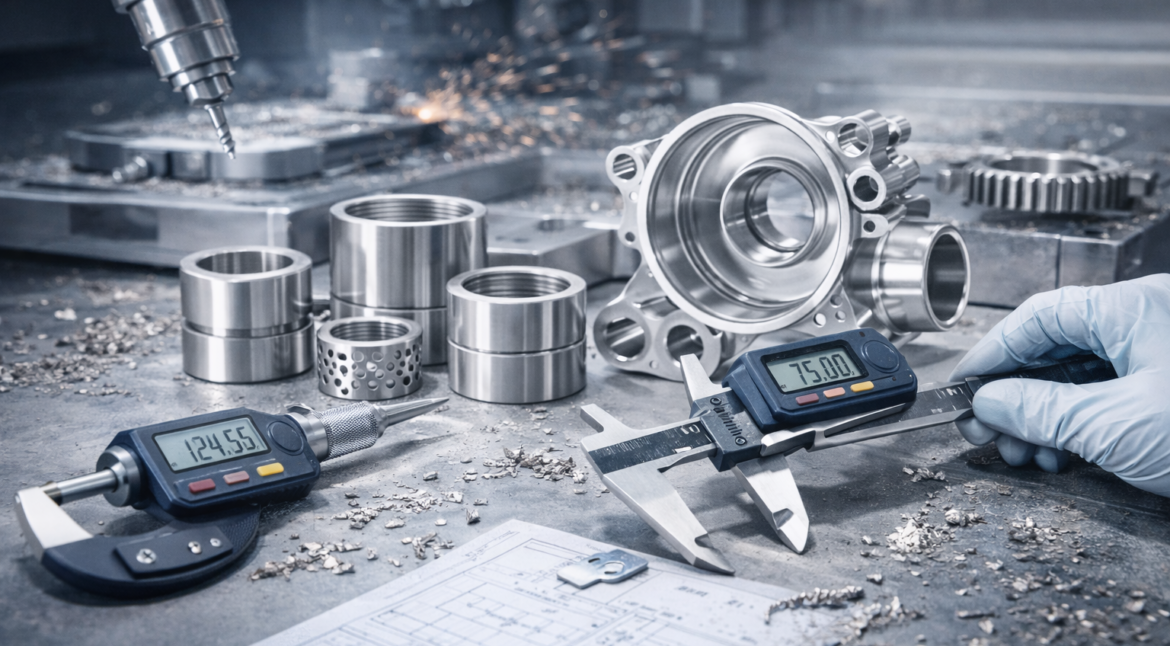
Testing methods play a critical role in quality assurance. Regular inspections are conducted at various stages of production to detect potential issues early on. These tests can include dimensional checks using calipers and gauges, as well as surface finish evaluations to ensure that the machined parts meet aesthetic and functional criteria. Non-destructive testing methods, such as ultrasonic or eddy current testing, may also be employed to identify internal defects that could compromise the integrity of the stainless steel components.
In addition, statistical process control (SPC) techniques are often utilized to monitor the machining process. By collecting and analyzing manufacturing data, manufacturers can identify variances in production, undertake corrective actions, and implement continuous improvement strategies. This systematic approach to quality control not only enhances the reliability of the stainless steel CNC machining process but also builds trust with clients who require consistent, high-quality outcomes in their products.
Comparing CNC Machining with Other Manufacturing Processes
When evaluating manufacturing processes, it is imperative to consider the strengths and weaknesses of each method. CNC machining stands out markedly when juxtaposed with traditional machining and additive manufacturing. Traditional machining often involves manually operated tools, which can be time-consuming and more prone to human error. In contrast, stainless steel CNC machining automates the process, resulting in enhanced precision and reduced cycle times. This level of automation enables manufacturers to produce complex parts with tighter tolerances that traditional methods may not easily achieve.
Additive manufacturing, commonly known as 3D printing, brings a different set of advantages, primarily in prototyping and low-volume production. However, it frequently has limitations regarding material durability and surface finish. In applications where the mechanical properties of the finished product are paramount, stainless steel CNC machining offers a clear advantage. The ability to work with a range of materials, including various grades of stainless steel, makes CNC machining exceptionally versatile for diverse applications.
While additive manufacturing excels in flexibility and rapid iteration, CNC machining remains preferred in high-volume production due to its repeatability and efficiency. Manufacturers requiring large quantities of precision-engineered parts often rely on stainless steel CNC machining as it can produce consistent results across multiple runs. Additionally, the ability to quickly switch from one part to another is a crucial benefit of CNC machining, especially in dynamic environments where demands may change frequently.
In summary, each manufacturing process has its distinctive qualities, but stainless steel CNC machining is often the most advantageous choice for high-precision, durable parts, especially when production volume and material integrity are key considerations. By recognizing these differences, businesses can make informed decisions when selecting the appropriate manufacturing method for their needs.
Conclusion: The Future of Stainless Steel CNC Machining
As we delve into the future of stainless steel CNC machining, it is essential to reflect on the core benefits and applications this technology has provided to various industries. Throughout this blog, we have outlined how stainless steel CNC machining enables remarkable precision, versatility, and efficiency in manufacturing components that meet stringent industry standards.
The rapid advancements in technology are poised to transform stainless steel CNC machining further. Innovations such as artificial intelligence and automation are being integrated into the machining process, which could enhance operational efficiency and reduce production times. Furthermore, the advent of advanced materials such as new alloys and composites might lead to broader applications for CNC machining services, especially in areas such as aerospace and medical fields, where strength and corrosion resistance are paramount.
Environmental considerations are also shaping the future of stainless steel CNC machining. Companies are increasingly focusing on sustainable practices, seeking to reduce waste and energy consumption during the manufacturing process. Techniques such as recycling of machining scrap and improving energy efficiency in CNC machines are becoming more prevalent, reinforcing the commitment of the industry towards a greener approach.
In summary, the future of stainless steel CNC machining holds promise, with emerging technologies and sustainable practices paving the way for enhanced manufacturing processes. As industries continue to demand high-quality components with precise specifications, stainless steel CNC machining is set to evolve, ensuring that it remains at the forefront of modern manufacturing solutions. The continuous adaptation and integration of new technology will undoubtedly contribute to the longevity and relevance of stainless steel in various applications, cementing its role in future innovations.