Why Firearm Accessories Use CNC Machining: Benefits, Precision, and Industry Insights
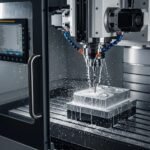
CNC machining has revolutionized the manufacturing of firearm accessories, providing unparalleled precision and efficiency. This article delves into the reasons why CNC machining is the preferred method for producing gun parts, highlighting its benefits, the types of accessories commonly made, and the materials best suited for this technology. Readers will gain insights into how CNC machining enhances the reliability and performance of firearm components, ensuring they meet the highest standards of safety and functionality. As the industry evolves, understanding these aspects becomes crucial for manufacturers and consumers alike. We will explore the core benefits of CNC machining, the types of firearm accessories produced, the materials used, economic advantages, compliance with industry standards, and emerging trends in CNC technology.
What Are the Core Benefits of CNC Machining for Gun Parts?
CNC machining offers several core benefits that make it indispensable in the production of gun parts. This technology provides unmatched precision and accuracy, ensuring that each component meets strict specifications. The repeatability of CNC processes is critical for maintaining reliability in firearm components, which directly impacts safety and performance. Additionally, CNC machining can be cost-effective, allowing manufacturers to produce high-quality parts efficiently due to reduced waste and increased automation.
How Does CNC Provide Unmatched Precision and Tight Tolerances?
CNC machining achieves high precision through the use of computer-controlled tools that follow exact specifications. This process allows for tight tolerances, often within a few thousandths of an inch (0.001–0.005 inches), which is essential for the proper functioning of firearm components. For example, a CNC machined trigger must fit precisely within the receiver to ensure reliable operation. The ability to maintain such precision consistently is a hallmark of CNC technology, making it a preferred choice for manufacturers.
Why Is Repeatability Critical for Firearm Component Reliability?
Repeatability in CNC machining refers to the ability to produce identical parts consistently over time. This is crucial for firearm components, where even minor variations can lead to malfunctions or safety issues. For instance, a slight difference in the dimensions of a barrel can affect accuracy and performance. CNC machining ensures that each part is produced to the same specifications, enhancing the overall reliability of the firearm.
Which Firearm Accessories Are Commonly Manufactured Using CNC Technology?
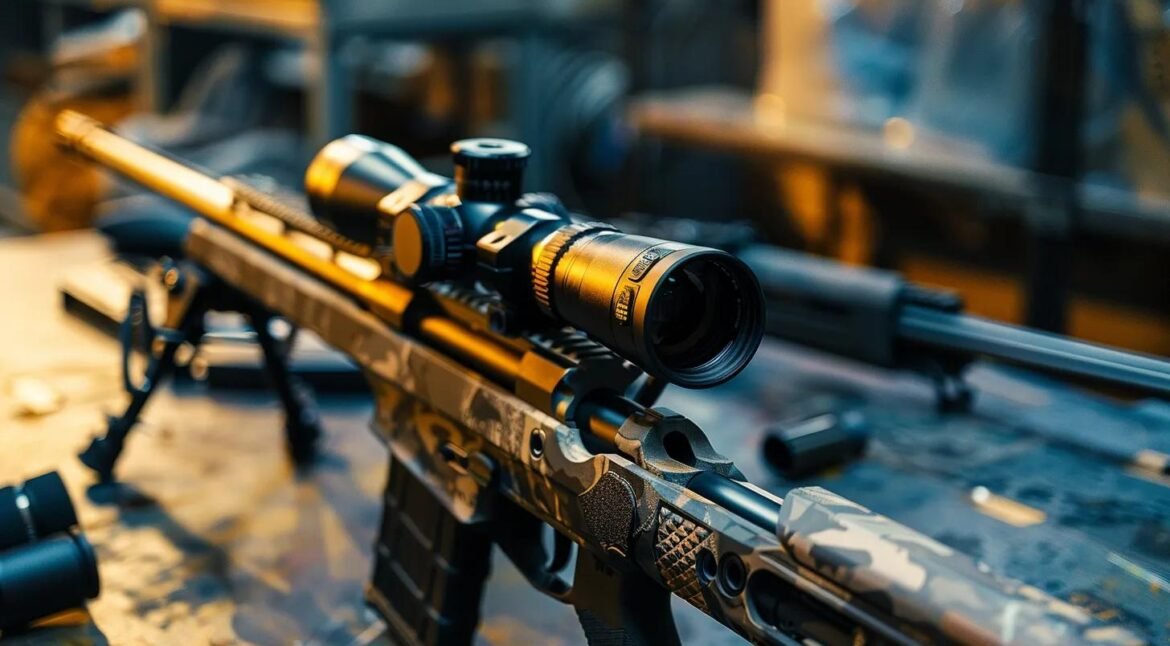
CNC technology is widely used to manufacture various firearm accessories, including triggers, receivers, barrels, and muzzle brakes. These components often feature complex geometries that require precise machining to ensure proper fit and function. The flexibility of CNC machining allows manufacturers to create intricate designs that would be challenging or impossible to achieve with traditional manufacturing methods.
What Complex Geometries and Designs Does CNC Enable in Gun Parts?
CNC machining enables the production of complex geometries in gun parts, such as intricate cuts and shapes that enhance both functionality and aesthetics. For example, a CNC machined receiver can incorporate features like flared magwells or custom engraving, which not only improve usability but also add a personal touch to the firearm. This design flexibility is a significant advantage of CNC technology, allowing for innovation in firearm accessory development.
How Does CNC Facilitate Rapid Prototyping and Innovation in Firearm Accessories?
One of the key advantages of CNC machining is its ability to facilitate rapid prototyping. Manufacturers can quickly create prototypes of new designs, allowing for testing and refinement before full-scale production. This accelerates the innovation process, enabling companies to bring new firearm accessories to market faster. For instance, a new muzzle brake design can be prototyped and tested within days to weeks, significantly reducing the time from concept to production.
What Materials Are Best Suited for CNC Machined Gun Accessories?
The choice of materials for CNC machined gun accessories is critical to their performance and durability. Common materials include aluminum, stainless steel, and titanium, each offering unique properties that make them suitable for different applications. Understanding these materials helps manufacturers select the best options for their specific needs.
Why Are Aluminum, Stainless Steel, and Titanium Preferred for Firearm Components?
Aluminum is favored for its lightweight and corrosion-resistant properties, making it ideal for components like receivers and handguards. Stainless steel offers strength and durability, often used in parts that require high wear resistance, such as barrels and bolts. Titanium, while more expensive, provides an excellent strength-to-weight ratio and corrosion resistance, making it suitable for high-performance and lightweight applications. Each material’s unique characteristics contribute to the overall effectiveness of the firearm.
How Do Surface Finishes and Treatments Enhance Durability?
Surface finishes and treatments play a crucial role in enhancing the durability of CNC machined components. Techniques such as anodizing, coating (e.g., Cerakote), and polishing can improve corrosion resistance and wear properties. For example, anodizing aluminum parts not only protects them from oxidation but also allows for color customization. These treatments ensure that firearm accessories maintain their performance and appearance over time, even under harsh conditions.
How Does CNC Machining Offer Economic and Strategic Advantages in Firearm Production?
CNC machining provides significant economic and strategic advantages in firearm production. By streamlining the manufacturing process, it reduces labor costs and material waste, leading to more efficient operations. Additionally, the scalability of CNC machining allows manufacturers to adjust production levels quickly in response to market demand.
In What Ways Does CNC Reduce Waste and Labor Costs?
CNC machining minimizes waste through precise material removal, ensuring that only the necessary amount of material is used for each part. This efficiency not only lowers material costs but also reduces the environmental impact of manufacturing. Furthermore, the automation of CNC processes decreases the need for manual labor, resulting in lower labor costs and increased productivity.
Why Is Customization Important for Tactical and Competitive Shooting Markets?
Customization is increasingly important in the tactical and competitive shooting markets, where users seek personalized solutions to enhance their performance. CNC machining allows for the production of tailored components that meet specific user requirements, such as custom grips or adjustable stocks. This level of customization not only improves user satisfaction but also creates a competitive edge for manufacturers who can offer unique products.
How Does CNC Machining Ensure Compliance with Industry Standards and Safety?
Compliance with industry standards and safety regulations is paramount in firearm manufacturing. CNC machining plays a vital role in ensuring that components meet these stringent requirements, which are essential for consumer safety and product reliability.
What Role Does CNC Play in Meeting ITAR and ISO Certifications?
CNC machining processes are designed to support compliance with various industry standards, including ITAR (International Traffic in Arms Regulations) and ISO (International Organization for Standardization) certifications. ITAR regulates the export and import of defense-related articles and services, including firearms and parts, ensuring controlled distribution. ISO certifications, such as ISO 9001, relate to quality management systems that help manufacturers maintain consistent quality. By utilizing CNC technology, manufacturers can streamline their compliance processes and maintain consistent quality across their product lines.
How Does Precision Manufacturing Enhance Firearm Safety?
Precision manufacturing through CNC machining enhances firearm safety by ensuring that all components fit and function correctly. This precision reduces the likelihood of malfunctions, which can lead to dangerous situations. For example, a well-machined barrel will align perfectly with the chamber, minimizing the risk of misfires or other issues. The focus on precision in CNC machining directly contributes to the overall safety of firearms.
What Are the Emerging Trends and Future Technologies in CNC for Firearm Accessories?
As technology advances, new trends in CNC machining are emerging that will shape the future of firearm accessories. Innovations such as AI integration and hybrid manufacturing techniques are set to revolutionize the industry, offering new possibilities for design and production.
How Will AI and Advanced Robotics Impact CNC Machining in Firearms?
The integration of AI and advanced robotics into CNC machining processes is expected to enhance efficiency and precision further. AI can optimize machining parameters in real-time, leading to improved production rates and reduced errors. Robotics can automate repetitive tasks, allowing human operators to focus on more complex aspects of manufacturing. This technological evolution will likely lead to higher quality products and faster turnaround times.
Further insights into how AI and robotics are revolutionizing CNC machining, particularly through toolpath optimization, are highlighted in recent research.
CNC Machining Optimization & AI Robotics
Chapter 6 focuses on the critical aspect of toolpath optimization in CNC machining. From robots used in manufacturing to sophisticated AIdriven robots used in various fields such as
Robotics,
Automation and Computer Numerical Control, R Barua, 2024
What Is the Role of Hybrid Manufacturing and 3D Printing in Future Firearm Production?
Hybrid manufacturing, which combines traditional CNC machining with additive manufacturing (3D printing), is gaining traction in the firearm industry. This approach allows for the rapid production of complex parts that may be difficult to machine conventionally. For instance, 3D printing can create intricate internal structures that reduce weight without sacrificing strength. As these technologies continue to develop, they will provide manufacturers with new tools to innovate and improve their product offerings.