Comprehensive Guide to Machining Metal: CNC Milling, Turning, and Precision Fabrication Techniques
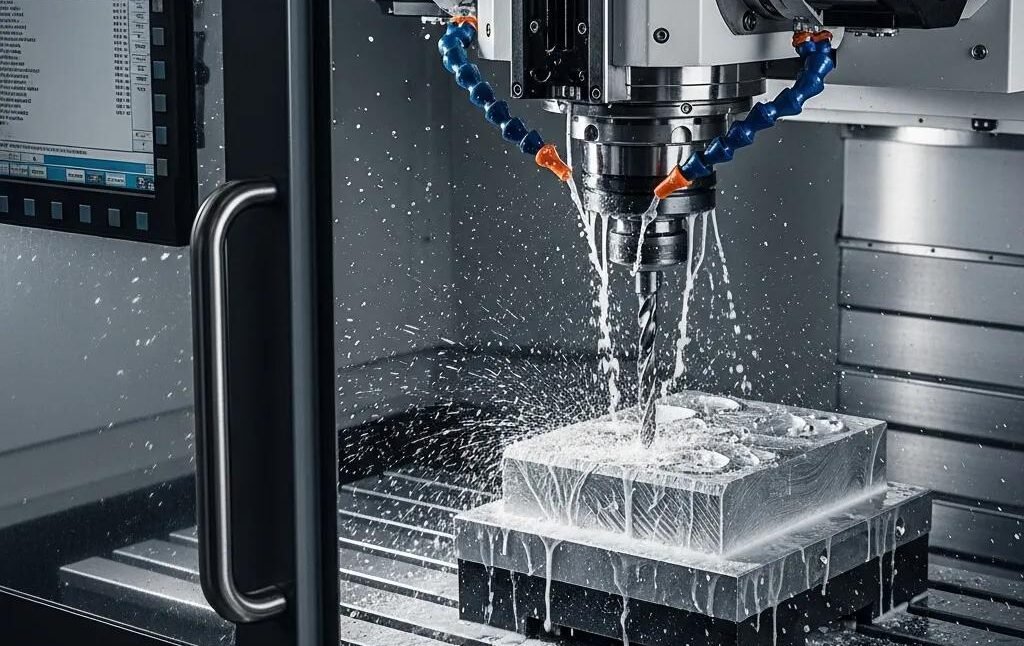
Machining metal is a critical process in manufacturing that involves removing material from a workpiece to achieve desired shapes and dimensions. This comprehensive guide will explore various machining techniques, including CNC milling, turning, and precision fabrication, providing insights into their applications and benefits. Understanding these processes is essential for industries that rely on precision engineering, as they directly impact product quality and production efficiency.
Many manufacturers face challenges in achieving the required tolerances and surface finishes, which can lead to increased costs and production delays. This guide aims to address these challenges by detailing the main types of metal machining processes, the metals commonly used, and advanced techniques that optimize operations. We will also discuss how to enhance cost-effectiveness and sustainability in machining practices.
What Are the Main Types of Metal Machining Processes?
Metal machining encompasses various processes that can be categorized into traditional and non-traditional methods. Traditional machining processes include turning, milling, and drilling, which are widely used in manufacturing to create precise components. Non-traditional methods, such as electrical discharge machining (EDM) and waterjet cutting, offer unique advantages for specific applications, particularly when working with hard materials or complex geometries. Each process has its own set of applications, making it essential for manufacturers to choose the right method based on their specific needs.
Indeed, the significance of non-traditional machining techniques in addressing the challenges of complex component manufacturing is a subject of ongoing research and development.
Non-Traditional Machining for Complex Components
This comprehensive study provides an in-depth analysis of non-traditional machining techniques in the manufacturing industry. Focusing on mechanical, electrochemical, chemical, and thermal machining processes, the research explores recent advancements and their implications. The analysis sheds light on the significance of non-traditional machining in the manufacturing industry, highlighting its potential for producing complex components and meeting design requirements that traditional machining methods may struggle to achieve.
Non-Traditional Machining Techniques in Manufacturing Industries–An Overview, OM Ikumapayi, 2023
How Does the Metal Turning Process Shape Cylindrical Parts?
The metal turning process involves rotating a workpiece against a cutting tool to remove material and shape cylindrical parts. This method is particularly effective for producing components like shafts, bushings, and pulleys. The mechanics of turning rely on the tool’s geometry and the cutting speed, which influence the quality of the finished part. Common tools used in turning include carbide inserts and high-speed steel tools, which provide durability and precision during the machining process.
What Are the Key Features of CNC Metal Milling?
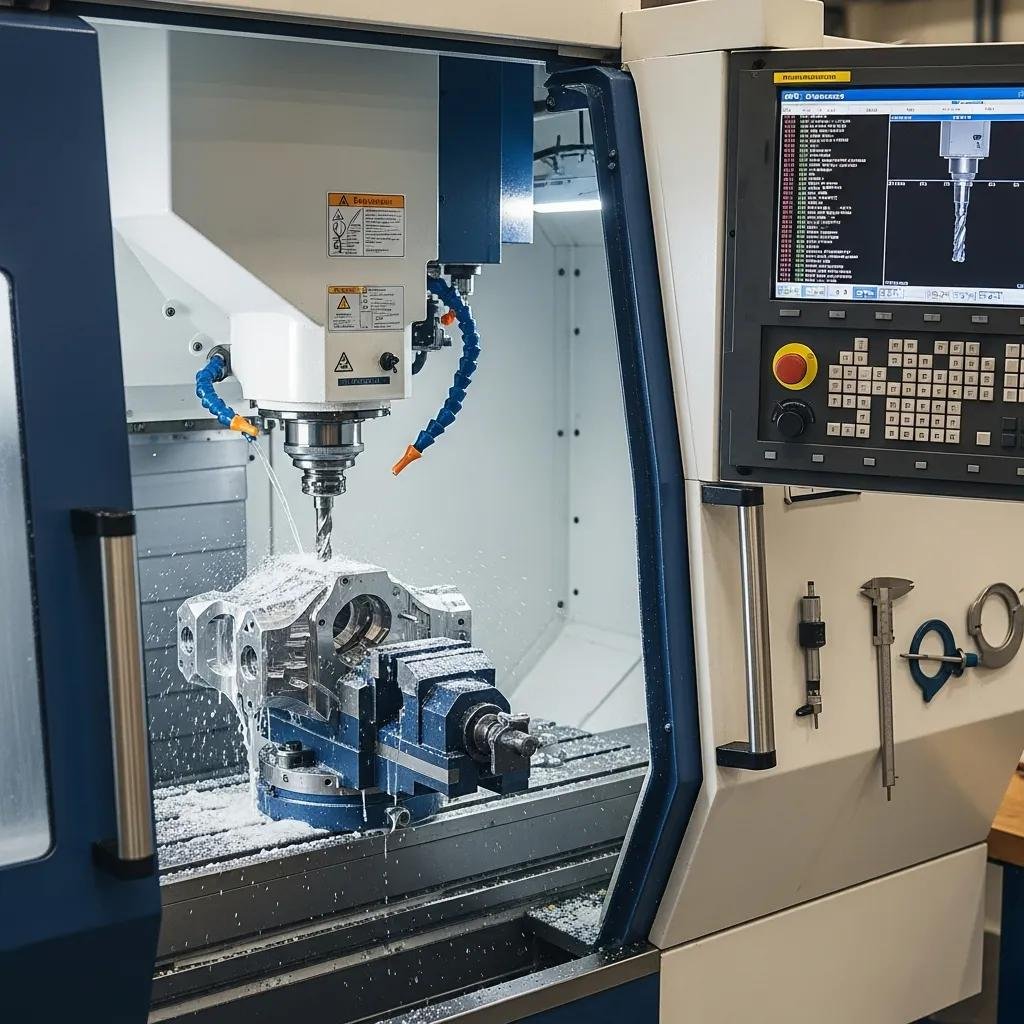
CNC metal milling is a computer-controlled machining process that allows for high precision and automation. Key features of CNC milling include the ability to create complex shapes and intricate designs with tight tolerances. Compared to traditional milling, CNC milling offers enhanced repeatability and reduced human error, making it ideal for both prototyping and mass production. The process utilizes various cutting tools, such as end mills and face mills, to achieve the desired surface finish and dimensional accuracy.
The practical application and accessibility of CNC technology, even for small-scale industries, are further explored in studies focusing on machine design and construction.
CNC Milling Machine Design & Low-Cost Manufacturing
This paper outlines the design and construction of a CNC machine for milling. The paper was undertaken to develop a low-cost CNC machine that can be used in small-scale industries.
Practical work for exploring the capabilities and benefits of CNC technology, AJ Abougarair, 2023
Which Metals Are Commonly Used in Precision Metal Fabrication?
Precision metal fabrication often involves materials like aluminum, steel, and titanium, each with unique properties that affect machinability. Understanding these materials is crucial for selecting the appropriate machining processes and tools.
What Are the Machinability Characteristics of Aluminum and Steel?
Aluminum is known for its excellent machinability, lightweight nature, and resistance to corrosion, making it a popular choice in various industries. Steel, on the other hand, offers higher strength and durability but can be more challenging to machine due to its hardness and alloy composition. Machinability ratings help manufacturers assess how easily a material can be machined, guiding them in selecting the right tools and processes for efficient production.
How Do Exotic Alloys Affect Machining Strategies?
Exotic alloys, such as titanium and nickel-based superalloys, present unique challenges in machining due to their hardness, toughness, and tendency to work-harden. These materials often require specialized cutting tools and techniques to achieve the desired results. For instance, using high-speed machining with appropriate tool materials and advanced cooling methods can help mitigate tool wear and improve surface finishes when working with these challenging materials.
How Do Industrial Machining Services Optimize Metal Cutting Operations?
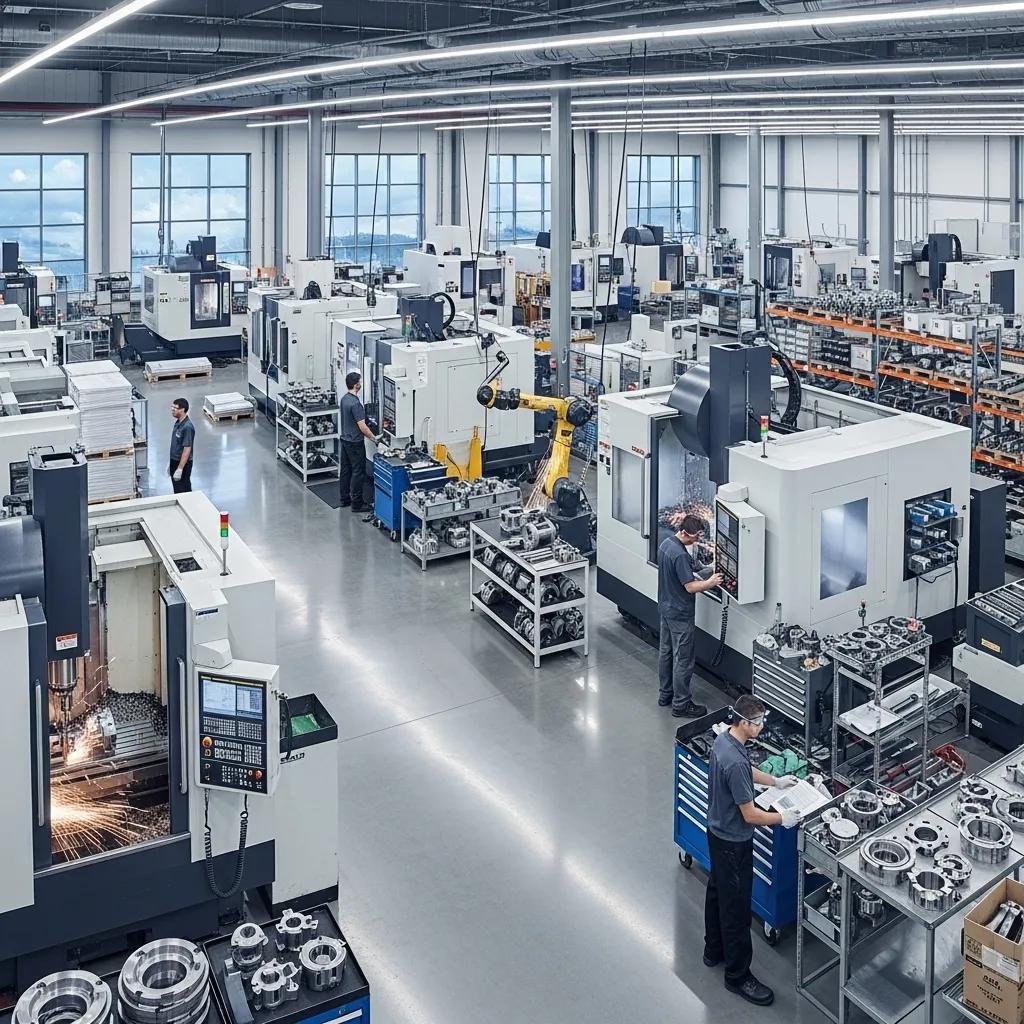
Industrial machining services play a vital role in optimizing metal cutting operations through various strategies, including automation and quality control measures. By implementing advanced technologies, manufacturers can enhance efficiency and reduce production costs.
What Are the Benefits of CNC Automation in Industrial Machining?
CNC automation significantly improves the efficiency of machining operations by reducing manual intervention and increasing production speed. This technology allows for precise control over machining parameters, resulting in consistent quality and reduced waste. Additionally, CNC machines can operate continuously, maximizing productivity and minimizing downtime.
Further emphasizing these advantages, recent research highlights the transformative impact of automation on CNC machining operations.
Automation & Benefits in CNC Machining Operations
(CNC) machining operations, offering numerous advantages. automation have revolutionized CNC machining operations and automated material handling, providing numerous benefits
Robotical automation in CNC machine tools: a review, M Soori, 2024
How Is Quality Control Ensured in Precision Metal Fabrication?
Quality control in precision metal fabrication is essential to ensure that components meet stringent specifications. Techniques such as statistical process control (SPC) and regular inspections help identify defects early in the production process. By employing advanced measurement tools and techniques, manufacturers can maintain high standards of quality and reliability in their products.
What Are the Advanced Techniques and Technologies in Metal Machining?
The field of metal machining is continually evolving, with advanced techniques and technologies emerging to enhance efficiency and precision. These innovations are crucial for meeting the demands of modern manufacturing.
How Do Non-Traditional Processes Like EDM and Waterjet Cutting Work?
Non-traditional machining processes, such as electrical discharge machining (EDM) and waterjet cutting, utilize different mechanisms to remove material. EDM uses electrical discharges to erode material from the workpiece, making it suitable for hard materials and intricate shapes. Waterjet cutting employs high-pressure water mixed with abrasives to cut through various materials, offering versatility and precision without generating heat-affected zones.
What Role Does Industry 4.0 and AI Play in Modern Machining?
Industry 4.0 and artificial intelligence (AI) are transforming the landscape of metal machining by enabling smarter manufacturing processes. These technologies facilitate real-time monitoring and data analysis, allowing manufacturers to optimize operations and predict maintenance needs. By integrating AI into machining systems, companies can enhance productivity and reduce operational costs.
How Can Machining Metal Processes Be Optimized for Cost and Sustainability?
Optimizing machining processes for cost and sustainability is increasingly important in today’s manufacturing environment. By focusing on efficiency and eco-friendly practices, manufacturers can achieve significant benefits.
What Factors Influence the Cost of Metal Machining Services?
Several factors influence the cost of metal machining services, including material selection, machining complexity, and production volume. Understanding these factors allows manufacturers to make informed decisions that balance quality and cost-effectiveness. For instance, choosing materials with better machinability can reduce tool wear and machining time, ultimately lowering production costs.
How Are Sustainable Practices Integrated into Metal Fabrication?
Sustainable practices in metal fabrication involve minimizing waste, reducing energy consumption, and utilizing eco-friendly materials. Techniques such as recycling scrap metal and implementing energy-efficient machinery contribute to a more sustainable manufacturing process. By adopting these practices, manufacturers can not only reduce their environmental impact but also improve their overall efficiency and profitability.
| Process Type | Description | Applications | Advantages |
|---|---|---|---|
| CNC Milling | Computer-controlled cutting process | Aerospace, automotive | High precision, complex shapes |
| Turning | Rotating workpiece against a cutting tool | Shafts, bushings | Efficient for cylindrical parts |
| EDM | Erosion of material using electrical discharges | Hard materials | Intricate shapes, minimal heat-affected zones |
| Waterjet Cutting | High-pressure water cutting | Various materials | Versatile, no heat-affected zones |
Machining metal is a multifaceted process that requires a deep understanding of various techniques, materials, and technologies. By exploring the main types of machining processes, the characteristics of commonly used metals, and the advanced techniques available, manufacturers can optimize their operations for efficiency and sustainability. The integration of modern technologies, such as CNC automation and AI, further enhances the capabilities of machining services, ensuring that they meet the demands of today’s manufacturing landscape.