Custom Aluminum Parts: Comprehensive Guide to Precision Manufacturing and Applications
Custom aluminum parts are integral to various industries, providing tailored solutions that meet specific engineering requirements. This comprehensive guide explores the significance of custom aluminum parts, their manufacturing process, and the benefits they offer across different applications. Readers will learn about the advantages of aluminum, the best alloys for machining, and the impact of manufacturing techniques on quality and precision. Many businesses face challenges in sourcing high-quality, durable components that meet their unique specifications. Custom aluminum parts present a viable solution, combining strength, lightweight properties, and corrosion resistance. This article will delve into the key benefits of custom aluminum parts, the best alloys for CNC machining, the manufacturing processes involved, industry applications, sustainability considerations, and the advantages of expert fabrication services.
What Are Custom Aluminum Parts and Their Key Benefits?
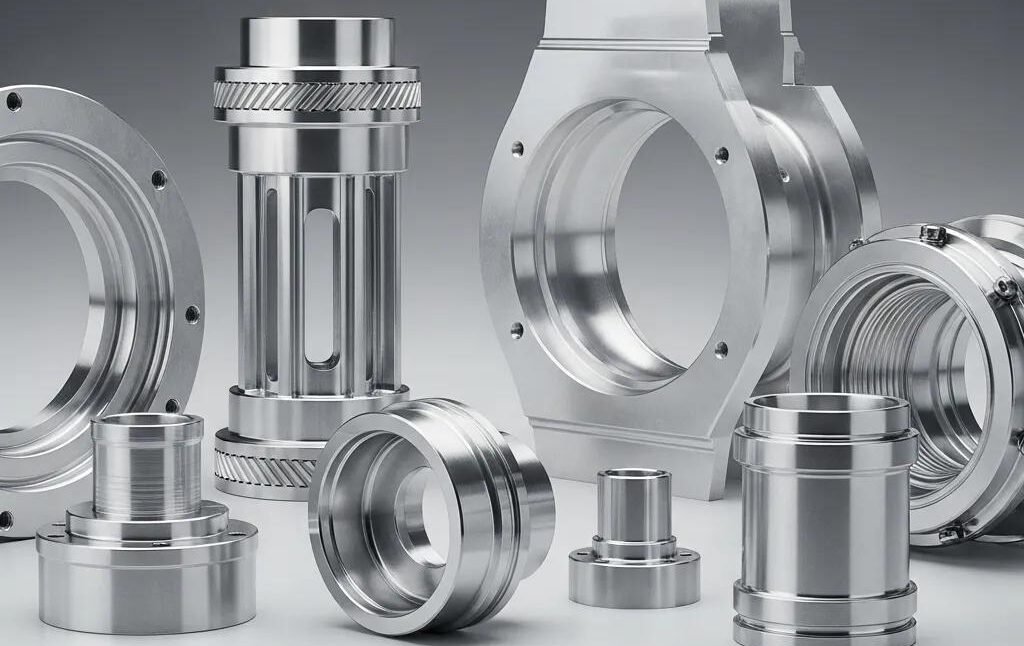
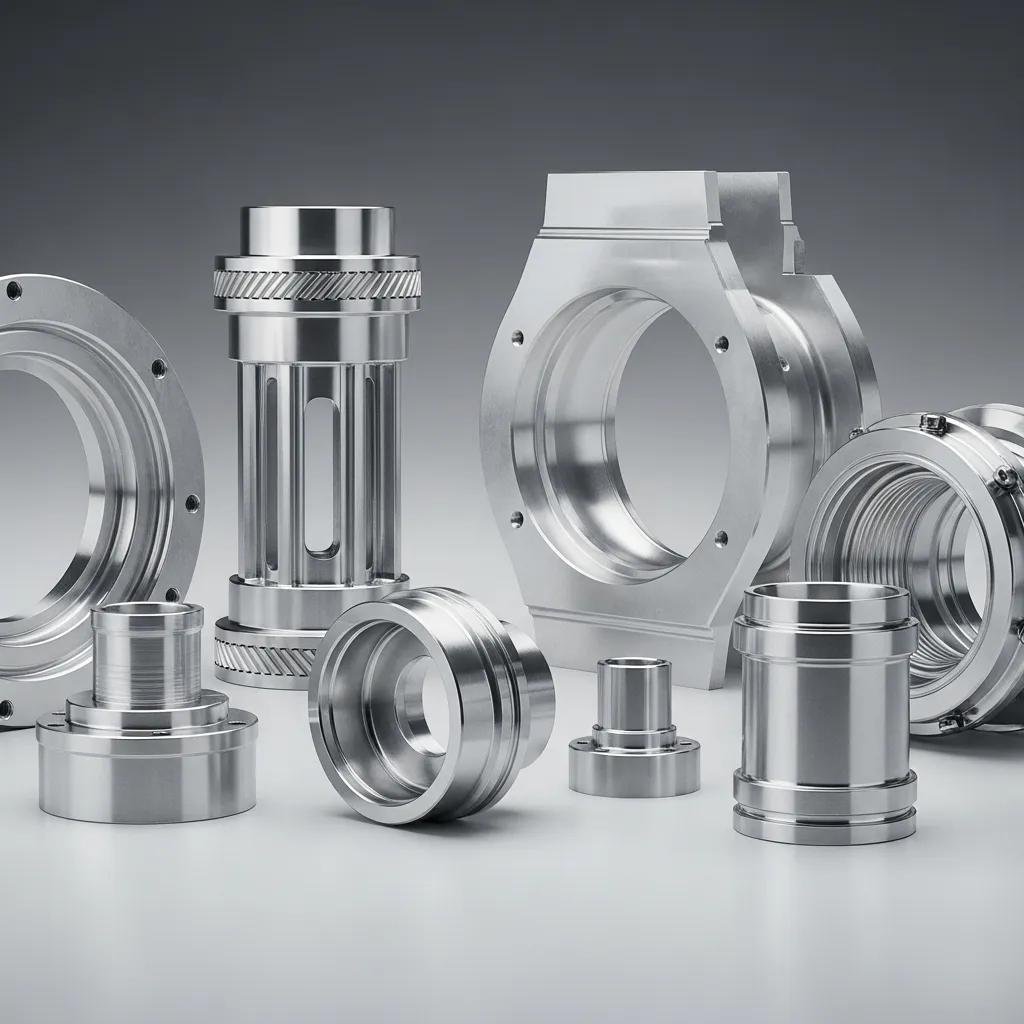
Custom aluminum parts are specifically designed components made from aluminum alloys, tailored to meet the unique specifications of various applications. These parts are favored for their lightweight nature, high strength-to-weight ratio, and excellent corrosion resistance, making them ideal for industries such as aerospace, automotive, and electronics. The ability to customize these parts allows manufacturers to optimize performance and efficiency in their products.
How Do Custom Aluminum Parts Enhance Strength-to-Weight Ratio and Corrosion Resistance?
Custom aluminum parts significantly enhance the strength-to-weight ratio, which is crucial in applications where weight savings are essential. Aluminum’s inherent properties allow for the creation of lightweight components without compromising structural integrity. Additionally, aluminum exhibits excellent corrosion resistance due to the formation of a thin, protective oxide layer, making it suitable for harsh environments. This combination of strength and durability ensures that custom aluminum parts can withstand demanding conditions while maintaining performance.
Why Choose Aluminum for Precision Manufacturing and Lightweight Applications?
Aluminum is often the material of choice for precision manufacturing due to its versatility and ease of fabrication. Its lightweight nature contributes to energy efficiency in applications such as transportation, where reducing weight can lead to lower fuel consumption. Furthermore, aluminum can be easily machined, extruded, and formed into complex shapes, allowing for innovative designs that meet specific engineering requirements. The cost-effectiveness of aluminum also makes it an attractive option for manufacturers looking to balance quality and budget.
Which Aluminum Alloys Are Best for Custom CNC Machining and Fabrication?
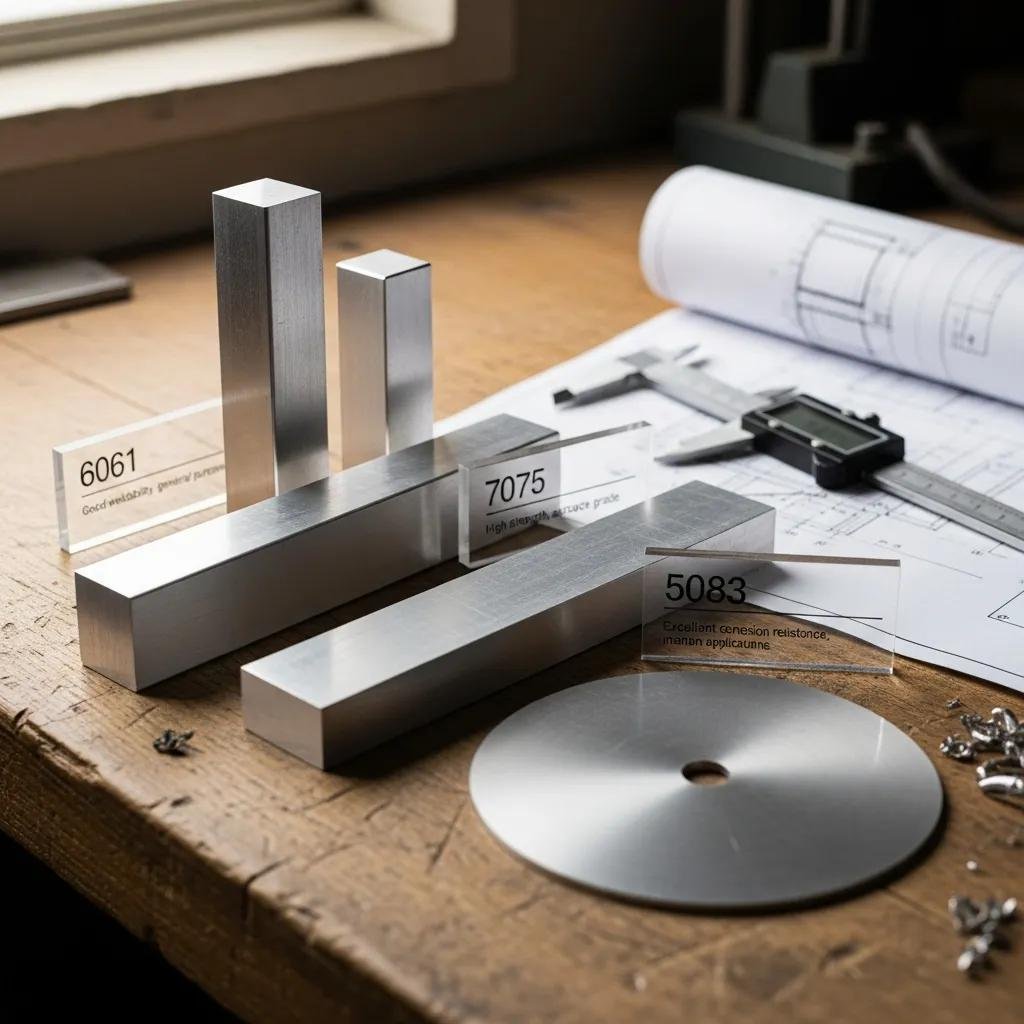
Selecting the right aluminum alloy is critical for achieving the desired properties in custom parts. Different alloys offer varying mechanical properties, making them suitable for specific applications. Understanding these differences helps manufacturers choose the best material for their projects.
What Are the Properties and Applications of Aluminum 6061, 7075, and 5083?
Aluminum 6061 is known for its good corrosion resistance and weldability, making it ideal for structural applications. It is commonly used in automotive and aerospace components. Aluminum 7075, on the other hand, is recognized for its high strength and is often used in aerospace applications where performance is critical. Aluminum 5083 offers superior resistance to seawater and is frequently used in marine applications.
Further research highlights the importance of optimizing manufacturing parameters, especially for common alloys like Aluminum 6061, to achieve desired surface quality.
Optimizing CNC Turning for Aluminum 6061 Surface Quality
This research work describes the optimization of cutting parameters for the surface roughness in CNC turning machining with aluminum alloy 6061 material. Controlling the required surface quality is necessary. In this study, Taguchi method is used to find the optimal cutting parameters for surface roughness in turning.
Optimization of cutting parameters for surface roughness in CNC turning machining with aluminum alloy 6061 material, B Rajamony, 2014
| Alloy | Properties | Common Applications |
|---|---|---|
| 6061 | Good corrosion resistance, weldable | Automotive, aerospace structures |
| 7075 | Very high strength, moderate corrosion resistance | Aerospace components, military applications |
| 5083 | Excellent corrosion resistance, especially in marine environments | Marine structures, pressure vessels |
How to Select the Right Aluminum Alloy for Your Custom Part Project?
When selecting an aluminum alloy for a custom part project, several factors should be considered, including mechanical properties, corrosion resistance, and fabrication methods. Manufacturers should evaluate the specific requirements of their application, such as load-bearing capacity and environmental conditions. Common mistakes to avoid include overlooking the importance of alloy temper and failing to account for the intended manufacturing process. Resources such as material data sheets and industry guidelines can provide valuable insights for making informed decisions.
How Do Manufacturing Processes Impact Custom Aluminum Part Quality and Precision?
The manufacturing processes used to create custom aluminum parts play a crucial role in determining their quality and precision. Different techniques, such as CNC machining, extrusion, and fabrication, each have unique advantages and limitations that can affect the final product.
What Are the Advantages of CNC Machining for Aluminum Components?
CNC machining offers several advantages for producing aluminum components, including high precision and repeatability. This process allows for the creation of complex geometries with tight tolerances, ensuring that parts meet exact specifications. Additionally, CNC machining is efficient, reducing lead times and minimizing waste. The ability to quickly produce prototypes and iterate designs further enhances its appeal for manufacturers.
How Do Aluminum Extrusion and Fabrication Techniques Differ and Complement Each Other?
Aluminum extrusion and fabrication are two distinct processes that can complement each other in manufacturing. Extrusion involves forcing aluminum through a die to create specific shapes, while fabrication encompasses various methods such as cutting, bending, and assembling. Each technique has its strengths; extrusion is ideal for producing long, uniform shapes, while fabrication allows for more complex assemblies. Understanding the differences between these processes helps manufacturers choose the right approach for their projects.
What Are the Industry Applications of Custom Aluminum Parts?
Custom aluminum parts find applications across a wide range of industries, each benefiting from the unique properties of aluminum. Understanding these applications can help manufacturers identify opportunities for innovation and improvement.
How Are Custom Aluminum Parts Used in Aerospace, Automotive, Medical, and Electronics?
In the aerospace industry, custom aluminum parts are used for structural components, fuel tanks, and aircraft skins due to their lightweight and strong characteristics. The automotive sector utilizes aluminum for engine components, frames, and body panels to enhance fuel efficiency. In the medical field, custom aluminum parts are employed in surgical instruments and equipment, where precision and hygiene are paramount. The electronics industry benefits from aluminum’s thermal conductivity and lightweight properties, using it for heat sinks and enclosures.
What Are Emerging Trends in Aluminum Parts for New Energy Vehicles and Defense?
Emerging trends in aluminum parts include their increasing use in new energy vehicles (NEVs) and defense applications. As the demand for lightweight materials grows in the NEV sector, aluminum’s properties make it an ideal choice for battery housings and structural components. In defense, custom aluminum parts are being developed for military vehicles and equipment, where strength and weight savings are critical. Innovations in aluminum alloys and manufacturing techniques continue to drive advancements in these fields.
How Does Sustainable Manufacturing Influence Custom Aluminum Parts Production?
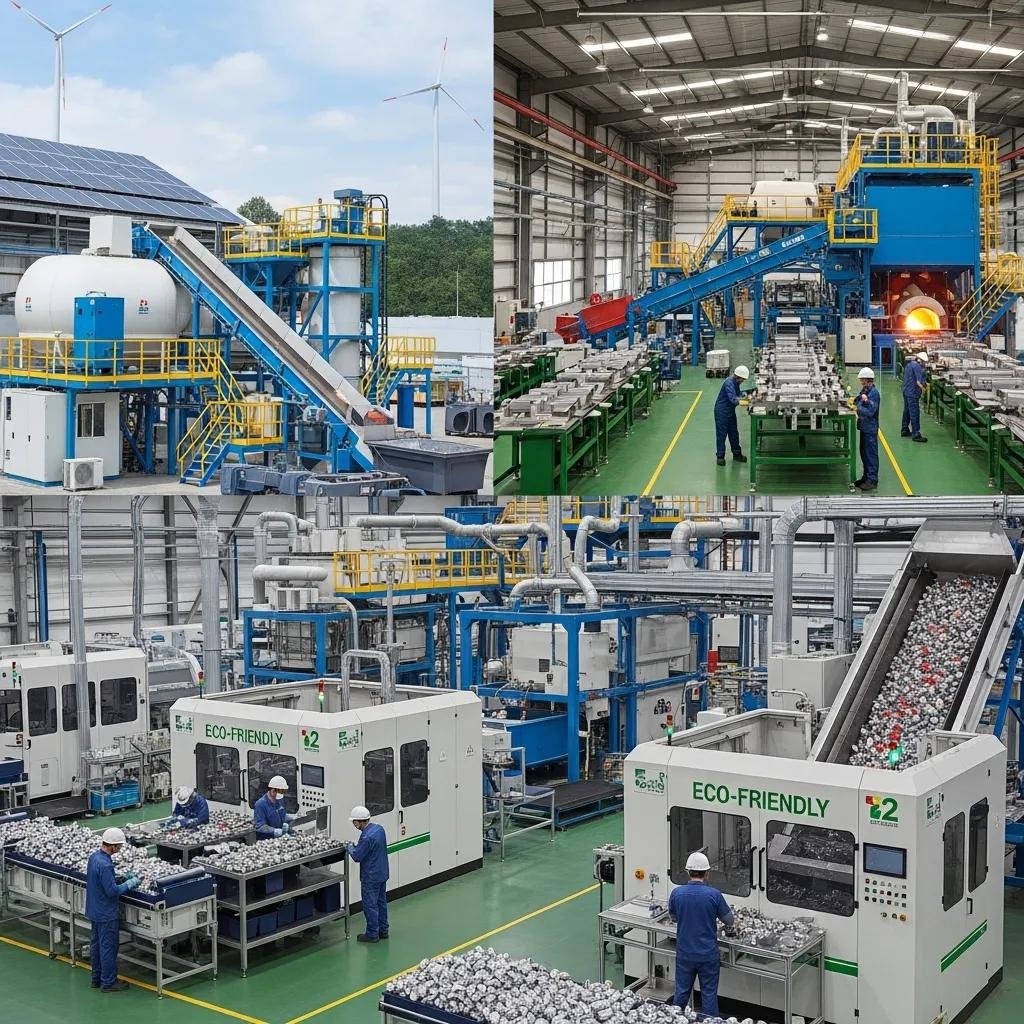
Sustainable manufacturing practices are becoming increasingly important in the production of custom aluminum parts. These practices not only reduce environmental impact but also enhance the overall efficiency of manufacturing processes.
What Are the Benefits of Aluminum Recycling and Green Fabrication Practices?
Aluminum recycling offers significant environmental benefits, as it requires only about 5% of the energy needed to produce new aluminum from ore. This process reduces greenhouse gas emissions and conserves natural resources. Green fabrication practices, such as using energy-efficient machinery and minimizing waste, further contribute to sustainability in aluminum production. By adopting these practices, manufacturers can improve their environmental footprint while maintaining high-quality standards.
How Is Intelligent Manufacturing Enhancing Aluminum Part Prototyping and Quality Control?
Intelligent manufacturing technologies, such as automation and data analytics, are enhancing the prototyping and quality control processes for aluminum parts. These technologies enable real-time monitoring of production, allowing for immediate adjustments to maintain quality standards. Advanced analytics can predict potential issues before they arise, reducing defects and improving overall efficiency. As manufacturers embrace intelligent manufacturing, they can achieve higher levels of precision and reliability in their custom aluminum parts.
The application of artificial intelligence further refines quality control, particularly in critical areas like weld inspection.
AI-Powered Quality Control for Aluminum Welds
Detecting defects in welds used in critical or non-critical industrial applications is of intense interest. Several non-destructive inspection methods are available, each allowing the preservation of the integrity of the sample under analysis. However, visual-based inspection methods are the most well-assessed, which usually require human experts to inspect each sample, looking for shallow defects.
Automatic quality control of aluminium parts welds based on 3
D data and artificial intelligence, A Cardellicchio, 2024
Why Choose Expert Custom Metal Fabrication Services for Your Aluminum Parts?
Choosing expert custom metal fabrication services is essential for ensuring the quality and precision of aluminum parts. Experienced providers bring specialized knowledge and capabilities that can significantly impact the success of a project.
What Capabilities Define Precision Aluminum Machining and Fabrication Services?
Precision aluminum machining and fabrication services are characterized by advanced technology, skilled personnel, and a commitment to quality. These services often include CNC machining, laser cutting, and welding, allowing for the production of complex components with tight tolerances. Quality assurance processes, such as rigorous testing and inspection, ensure that parts meet the highest standards. By selecting a provider with these capabilities, manufacturers can achieve superior results in their custom aluminum projects.
How Do Turnkey Manufacturing and Vertical Integration Benefit Custom Aluminum Part Projects?
Turnkey manufacturing and vertical integration offer significant advantages for custom aluminum part projects. Turnkey solutions provide a comprehensive approach, handling everything from design to production, which streamlines the process and reduces lead times. Vertical integration allows manufacturers to control every aspect of production, ensuring consistency and quality throughout the supply chain. These strategies can lead to cost savings and improved efficiency, making them attractive options for businesses seeking to optimize their operations.