Custom Manufacturing Services: Your Complete Guide to Precision, On-Demand, and Bespoke Solutions
Custom manufacturing is a vital component of modern production, allowing businesses to create tailored solutions that meet specific needs. This comprehensive guide will explore the intricacies of custom manufacturing, including its processes, materials, and applications. Readers will learn how custom manufacturing differs from mass production, the benefits of various manufacturing processes, and how to select the right partner for their needs. As industries increasingly demand precision and flexibility, understanding custom manufacturing becomes essential for businesses aiming to stay competitive. This article will cover the definition of custom manufacturing, the processes involved, the materials used, the benefits of on-demand manufacturing, and how to overcome challenges in selecting a manufacturing partner.
What Is Custom Manufacturing and How Does It Differ from Mass Production?
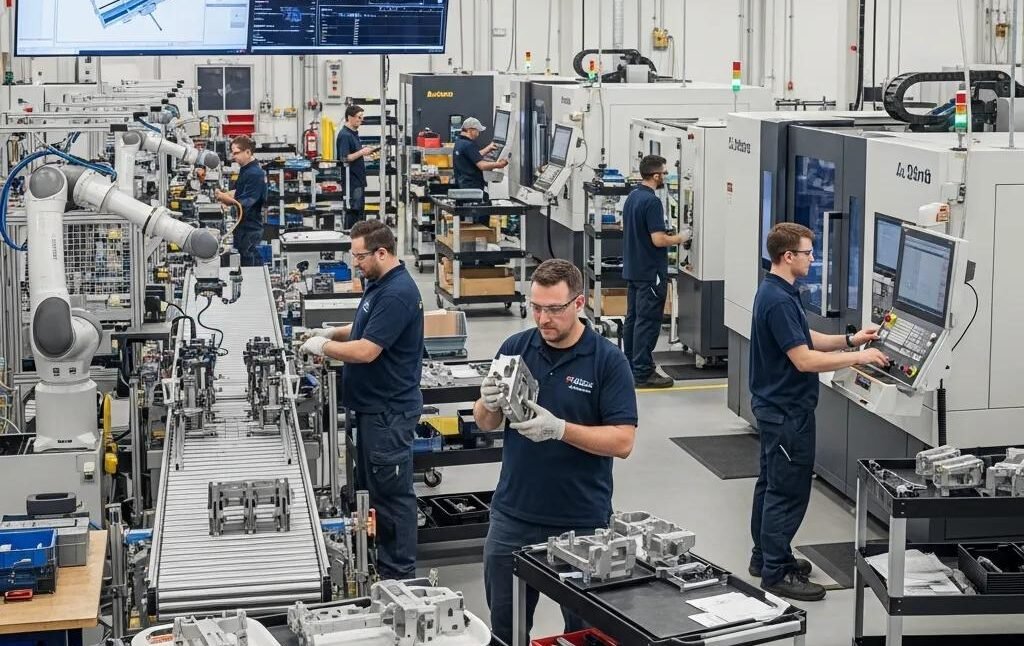
Custom manufacturing refers to the production of goods tailored to specific customer requirements, contrasting sharply with mass production, which focuses on creating large quantities of standardized products. The key features of custom manufacturing include flexibility, precision, and quality control, allowing manufacturers to adapt to unique specifications and changing market demands.
Defining Custom Manufacturing Services and Their Key Features
- Flexibility in Production: Custom manufacturing can quickly adapt to changes in design or specifications, enabling manufacturers to respond to client needs efficiently.
- Precision in Manufacturing: Advanced technologies, such as CNC machining and 3D printing, ensure high levels of accuracy in producing custom parts.
- Quality Control Measures: Rigorous quality assurance processes are implemented to ensure that each product meets the required standards, reducing the risk of defects.
Understanding these features highlights the advantages of custom manufacturing over mass production, particularly in industries where precision and adaptability are crucial.
Which Custom Manufacturing Processes Deliver Precision and Flexibility?
Several manufacturing processes are integral to custom manufacturing, each offering unique advantages in terms of precision and flexibility. These processes include CNC machining, 3D printing, injection molding, and sheet metal fabrication.
How Does CNC Machining Enable Precision Custom Parts?
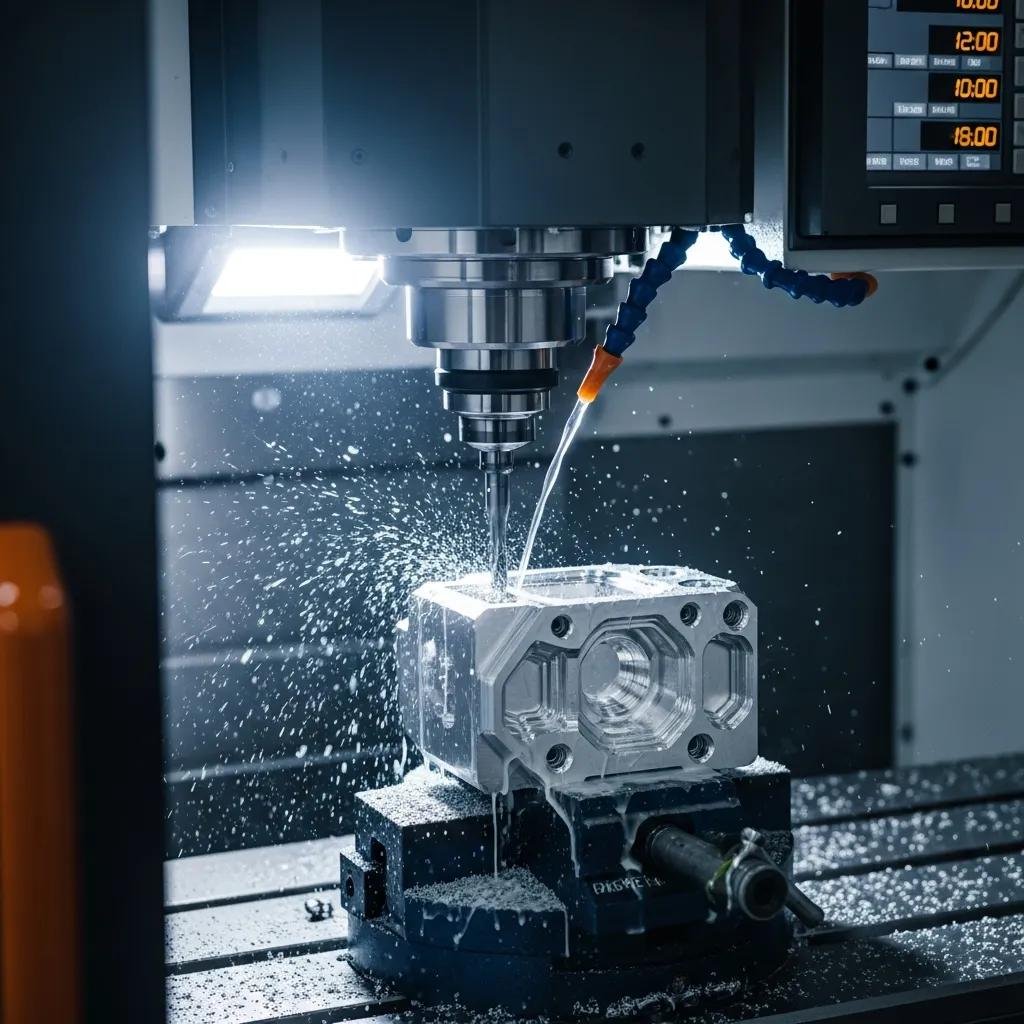
CNC (Computer Numerical Control) machining is a highly precise manufacturing process that uses computer-controlled machines to create parts from various materials. This technology allows for intricate designs and tight tolerances, making it ideal for industries requiring high precision, such as aerospace and medical device manufacturing. CNC machining can produce complex geometries that would be challenging to achieve with traditional methods, ensuring that custom parts meet exact specifications.
What Are the Benefits of 3D Printing for Rapid Prototyping and Production?
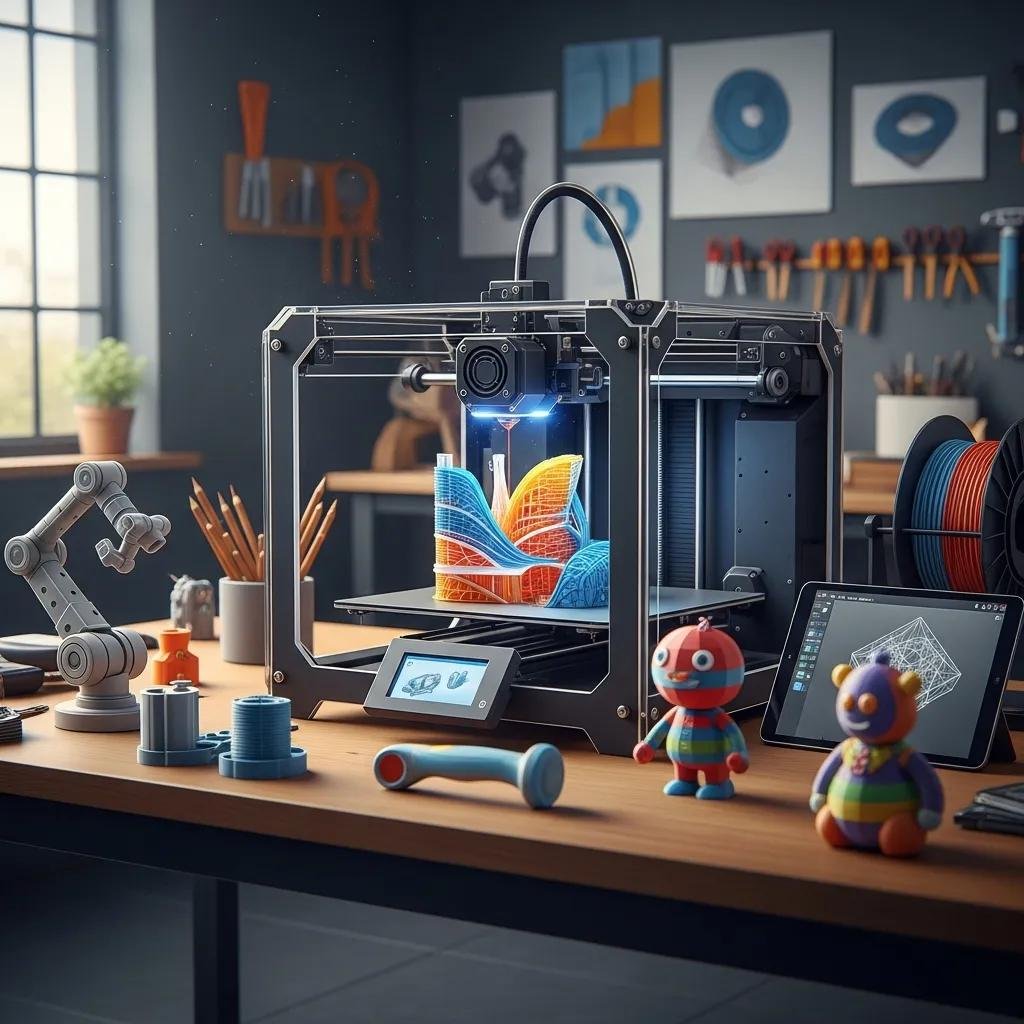
3D printing, or additive manufacturing, offers significant benefits for rapid prototyping and production. This process allows for the quick creation of prototypes, enabling designers to test and iterate on their designs before full-scale production. Key advantages include:
- Speed of Production: 3D printing can significantly reduce lead times, allowing for faster product development cycles.
- Cost-Effectiveness: Lower material waste and reduced labor costs make 3D printing an economical choice for small production runs.
- Design Flexibility: The ability to create complex shapes without the constraints of traditional manufacturing methods allows for innovative product designs.
These benefits make 3D printing a valuable tool in the custom manufacturing landscape, particularly for businesses looking to innovate rapidly.
Further emphasizing its versatility, additive manufacturing is increasingly recognized for its role in creating custom products on demand across various sectors.
Additive Manufacturing for On-Demand Custom Products
As an industrial process, additive manufacturing (AM) can be applied to create custom products on-demand for a wide array of industries, including healthcare, automotive, aerospace,
Additive manufacturing technologies for on-demand production of personalized goods, A Kumar, 2023
What Materials Are Commonly Used in Bespoke Product Manufacturing?
The choice of materials in custom manufacturing is critical, as it directly impacts the performance and durability of the final product. Common materials include metals, plastics, composites, and ceramics, each offering unique properties suited to specific applications.
How Do Metals and Plastics Suit Custom Manufacturing Needs?
Metals and plastics are among the most widely used materials in custom manufacturing due to their versatility and availability. Metals, such as aluminum and steel, provide strength and durability, making them ideal for structural components. Plastics, on the other hand, offer lightweight and corrosion-resistant options, suitable for a variety of applications. The selection of materials depends on factors such as the intended use, environmental conditions, and cost considerations.
Why Are Composites and Ceramics Important for Specialized Applications?
Composites and ceramics play a crucial role in specialized applications where traditional materials may fall short. Composites, which combine two or more materials, offer enhanced strength-to-weight ratios and resistance to environmental factors. Ceramics, known for their hardness and thermal stability, are essential in applications requiring high-temperature resistance or wear resistance. Understanding the properties of these materials helps manufacturers select the best options for their specific needs.
What Are the Benefits and Applications of On-Demand Manufacturing?
On-demand manufacturing provides significant advantages for businesses looking to optimize their production processes. This approach allows for the production of goods as needed, reducing inventory costs and waste. Key benefits include:
- Flexibility and Responsiveness: On-demand manufacturing enables companies to respond quickly to market changes and customer demands.
- Cost Savings: By minimizing excess inventory and reducing storage costs, businesses can achieve significant savings.
- Applications in Various Industries: On-demand manufacturing is particularly beneficial in industries such as aerospace, medical devices, and automotive, where precision and customization are paramount.
How Does Custom Manufacturing Support Aerospace and Medical Device Industries?
The aerospace and medical device industries rely heavily on custom manufacturing to meet stringent regulatory standards and performance requirements. Custom manufacturing allows for the production of specialized components that adhere to strict safety and quality guidelines. For example, in aerospace, custom parts must withstand extreme conditions, while medical devices require precise engineering to ensure patient safety.
What Advantages Do Businesses Gain from Contract Manufacturing Solutions?
Contract manufacturing offers businesses several advantages, including access to specialized expertise and advanced technologies without the need for significant capital investment. By partnering with experienced manufacturers, companies can leverage existing resources and capabilities, allowing them to focus on their core competencies. This collaboration can lead to improved product quality, faster time-to-market, and reduced operational costs.
How Can You Overcome Challenges and Choose the Right Custom Manufacturing Partner?
Selecting the right custom manufacturing partner is crucial for ensuring project success. However, businesses often face challenges in this process, including quality control issues and communication barriers.
What Are Common Challenges in Custom Manufacturing and How to Address Them?
- Quality Control Issues: Ensuring consistent quality across production runs can be difficult, particularly when working with multiple suppliers.
- Communication Challenges: Misunderstandings between manufacturers and clients can lead to delays and increased costs.
- Technical Limitations: Some manufacturers may lack the necessary technology or expertise to meet specific project requirements.
Addressing these challenges requires clear communication, thorough vetting of potential partners, and establishing quality assurance protocols to ensure that all parties are aligned on project goals.
Which Criteria Should You Use to Select a Reliable Custom Manufacturing Service?
- Experience and Expertise: Look for manufacturers with a proven track record in your industry and the specific processes required for your project.
- Reputation and Reviews: Research potential partners through client testimonials and industry reviews to gauge their reliability and quality of service.
- Technological Capabilities: Ensure that the manufacturer has the necessary equipment and technology to meet your production needs.
By carefully evaluating potential partners based on these criteria, businesses can make informed decisions that lead to successful custom manufacturing outcomes.
| Manufacturing Process | Key Features | Applications |
|---|---|---|
| CNC Machining | High precision, flexibility | Aerospace, automotive, medical devices |
| 3D Printing | Rapid prototyping, design flexibility | Medical devices, consumer products, aerospace |
| Injection Molding | High-volume production, cost-effective | Toys, automotive parts, consumer goods |
| Sheet Metal Fabrication | Versatile, strong materials | HVAC systems, enclosures, automotive |
Custom manufacturing is a dynamic field that offers businesses the ability to create tailored solutions that meet specific needs. By understanding the various processes, materials, and benefits associated with custom manufacturing, companies can make informed decisions that enhance their production capabilities and competitiveness in the market.