Comprehensive Guide to Stainless Steel Parts: Custom Fabrication, Precision Machining, and Corrosion Resistance
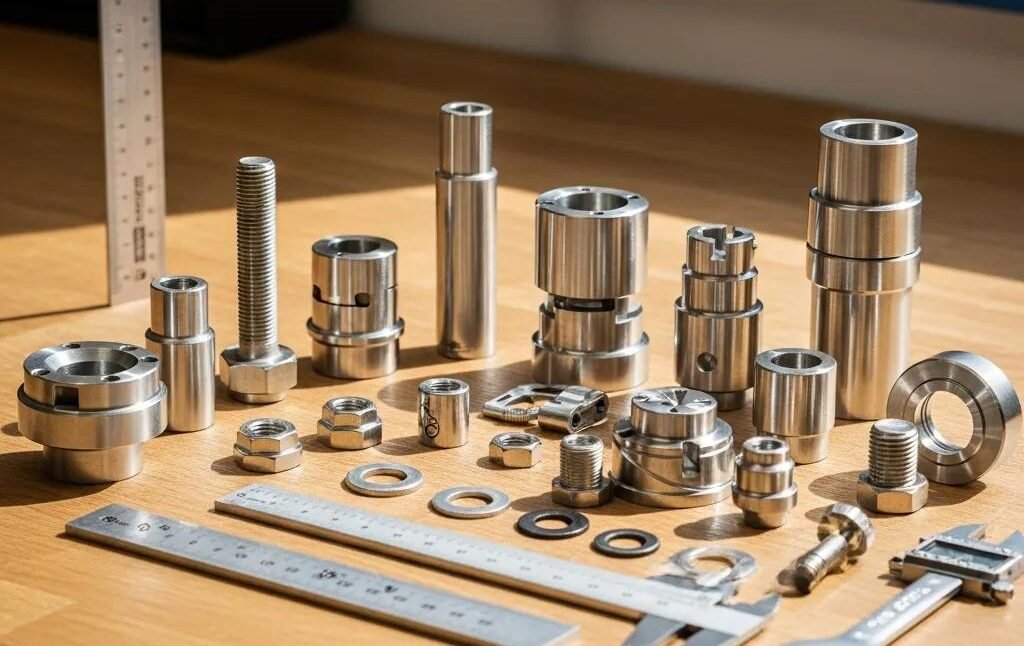
Stainless steel parts are integral to various industries due to their durability, corrosion resistance, and versatility. This comprehensive guide delves into the world of stainless steel parts, focusing on custom fabrication, precision machining, and the unique properties that make stainless steel a preferred material. Readers will learn about the different grades of stainless steel, fabrication techniques, and the applications of these parts across various sectors. Many industries face challenges in selecting the right materials that balance performance and cost. This guide aims to provide solutions by exploring the key aspects of stainless steel parts, including their manufacturing processes and future trends. We will cover essential topics such as the key stainless steel grades, fabrication methods, common applications, selection criteria, and emerging trends in the industry.
What Are the Key Stainless Steel Grades Used in Parts Manufacturing?
Stainless steel grades are categorized based on their composition and properties, which significantly influence their applications. The most common grades include austenitic, ferritic, martensitic, and duplex stainless steels. Each grade has unique characteristics that make it suitable for specific applications, such as corrosion resistance, strength, and formability. Understanding these grades is crucial for manufacturers and engineers when selecting materials for their projects.
How Do Austenitic, Ferritic, Martensitic, and Duplex Grades Differ?
Austenitic stainless steels, such as 304 and 316, are known for their excellent corrosion resistance and formability. They contain high levels of chromium and nickel, which enhance their durability. Ferritic grades, like 430, offer good resistance to stress corrosion cracking but are less ductile. Martensitic grades, such as 410, are known for their high strength and hardness, making them suitable for applications requiring wear resistance. Duplex stainless steels combine the properties of both austenitic and ferritic grades, providing high strength and excellent corrosion resistance, making them ideal for challenging environments.
Which Stainless Steel Grades Offer Superior Corrosion Resistance?
Grades 316 and 317 are particularly noted for their superior corrosion resistance, especially in marine environments. The addition of molybdenum in these grades enhances their ability to withstand pitting and crevice corrosion. Applications in chemical processing, pharmaceuticals, and food industries often require these grades due to their ability to maintain integrity in corrosive conditions. Understanding the corrosion resistance of different grades helps manufacturers choose the right material for their specific applications.
Research further highlights how specific elements like molybdenum significantly enhance the corrosion resistance and strength of stainless steel welds.
Molybdenum’s Role in Stainless Steel Weld Corrosion & Strength
of δ-ferrite phase resulting in increased the hardness and strength of the welds. The corrosion resistance of the welds significantly improved by increasing Mo concentration and a minimum corrosion rate was obtained at 2.5 wt% Mo.
On the role of molybdenum on the microstructural, mechanical and corrosion properties of the GTAW AISI 316 stainless steel welds, F Ostovan, 2021
How Are Custom Stainless Steel Parts Fabricated and Machined?
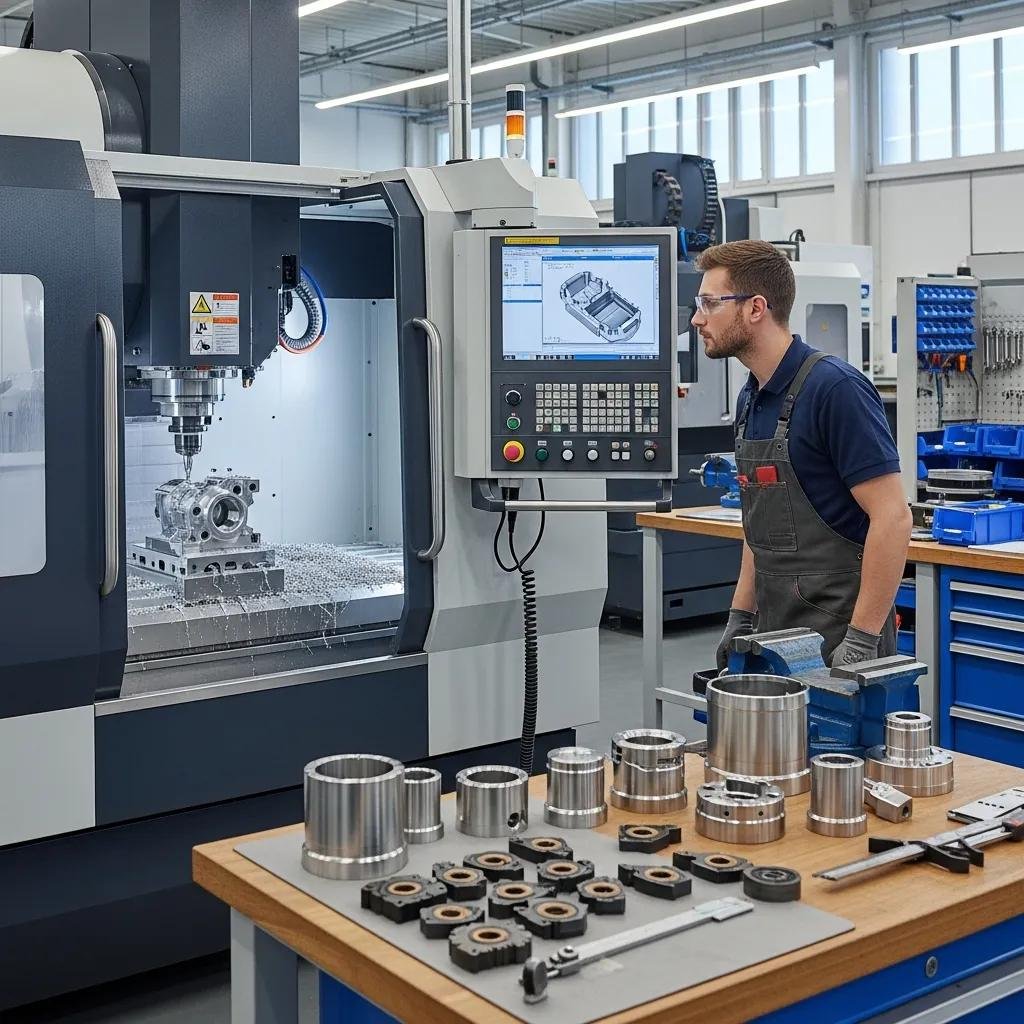
The fabrication and machining of stainless steel parts involve various processes that ensure precision and quality. These methods include cutting, welding, and finishing techniques that are tailored to meet specific design requirements. The choice of fabrication method can significantly impact the performance and longevity of the final product.
What Precision Machining Techniques Are Used for Stainless Steel Components?
Precision machining techniques such as CNC (Computer Numerical Control) machining, turning, and milling are commonly used for stainless steel components. CNC machining allows for high accuracy and repeatability, making it ideal for complex geometries. Turning and milling processes are essential for shaping and finishing parts to meet tight tolerances. Surface finishing techniques, including polishing and passivation, enhance the aesthetic appeal and corrosion resistance of the components.
Optimizing these precision machining parameters is crucial for achieving high accuracy, especially for specialized stainless steel used in demanding applications like aerospace.
Optimizing Precision Machining for Special Stainless Steel
S-03 is a novel special stainless steel, which is widely used in precision aerospace parts and electrical discharge machining technology has the merit of high-accuracy machining. This paper aims to combine gray relational analysis and orthogonal experimental to optimize electrical discharge high-accuracy machining parameters. The four process parameters of gap voltage, peak discharge current, pulse width, and pulse interval are required to optimize in the fewest experiment times. The material removal rate and surface roughness are the objective parameters.
Electrical discharge precision machining parameters optimization investigation on S-03 special stainless steel, 2014
Which Fabrication Methods Enhance Stainless Steel Part Quality?
Welding techniques, such as TIG (Tungsten Inert Gas) and MIG (Metal Inert Gas) welding, are crucial for joining stainless steel parts. These methods provide strong, clean welds that maintain the material’s integrity. Forming methods, including bending and stamping, are also essential for creating parts with specific shapes and dimensions. Quality assurance practices, such as non-destructive testing and inspection, ensure that the fabricated parts meet industry standards and specifications.
What Types of Stainless Steel Parts Are Commonly Used Across Industries?
Stainless steel parts are utilized in a wide range of industries, including automotive, aerospace, medical, and construction. Their unique properties make them suitable for various applications, from fasteners to structural components.
What Are the Characteristics and Uses of Industrial Stainless Steel Fasteners?
Industrial stainless steel fasteners, such as bolts, nuts, and screws, are known for their strength and corrosion resistance. They are commonly used in construction, automotive, and machinery applications where durability is essential. The use of stainless steel fasteners ensures that connections remain secure and reliable, even in harsh environments.
How Are Custom Stainless Steel Components Applied in Aerospace, Medical, and Automotive Sectors?
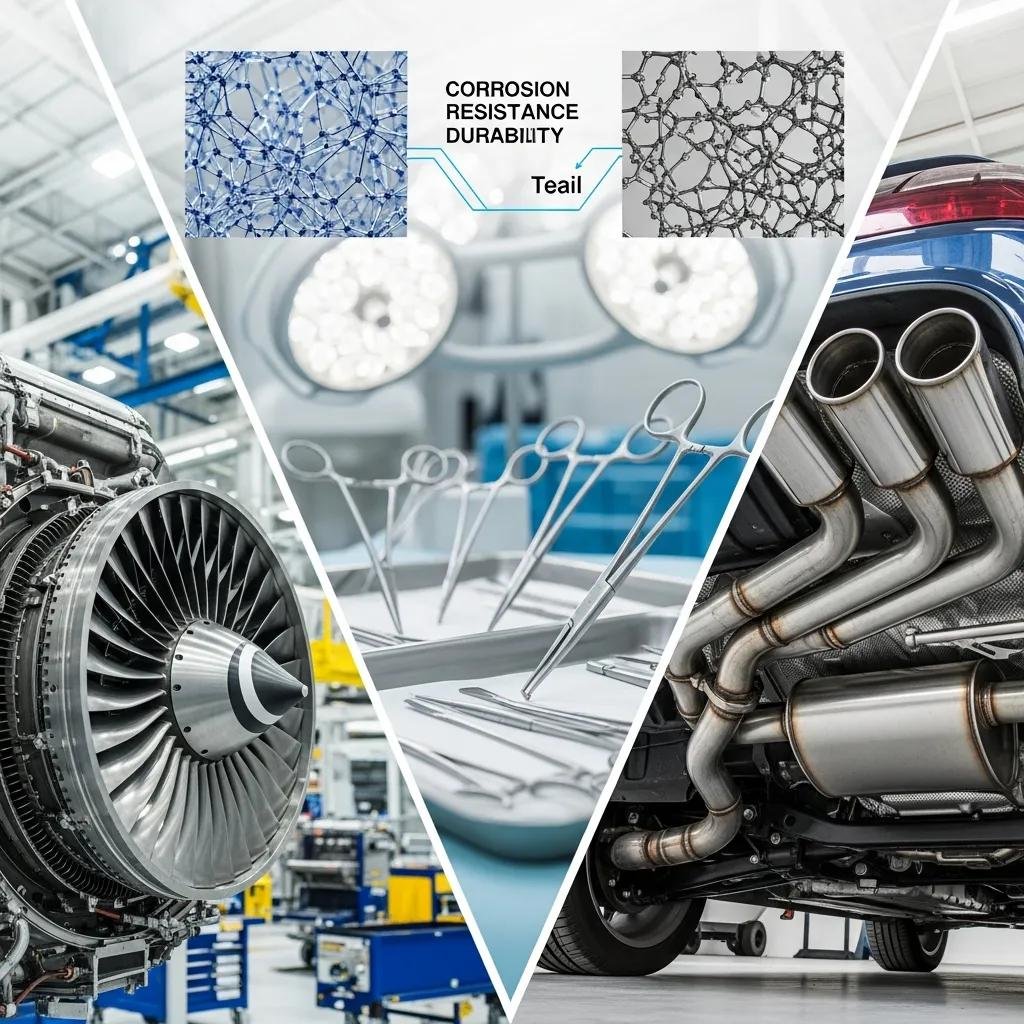
In the aerospace industry, custom stainless steel components are used in critical applications such as engine parts and structural elements due to their high strength and corrosion resistance. In the medical field, stainless steel is favored for surgical instruments and implants because of its biocompatibility and ease of sterilization. The automotive sector utilizes stainless steel for exhaust systems and structural components, benefiting from its resistance to corrosion and high temperatures.
How to Choose the Right Stainless Steel Part for Your Application?
Selecting the appropriate stainless steel part involves considering various factors, including the environment, mechanical stress, and cost. Understanding these factors can help ensure optimal performance and longevity of the components.
What Factors Influence Stainless Steel Grade Selection?
Several factors influence the selection of stainless steel grades, including environmental conditions, mechanical stress considerations, and cost factors. For instance, applications exposed to harsh chemicals may require higher-grade stainless steels with superior corrosion resistance. Additionally, the mechanical properties needed for specific applications, such as tensile strength and ductility, play a crucial role in grade selection.
However, it’s important to note that even with guidelines, specific environmental factors like high chloride concentrations can significantly impact the performance of certain stainless steel grades.
Guidelines for Selecting Stainless Steel Grades
stainless steels in various environments are based on a long history of successful application, but they are intended only as guidelines. The information presented here is not intended to replace the judgment of a qualified engineer or designer. For example, chloride stress corrosion cracking can have a serious effect on Type 316 stainless steel in an environment with high chloride concentration and elevated temperature.
Design Guidelines for the Selection and Use of Stainless Steels, 2020
How Does Corrosion Resistance Impact Stainless Steel Part Performance?
Corrosion resistance is a critical factor that impacts the performance and lifespan of stainless steel parts. Parts that are not adequately resistant to corrosion may fail prematurely, leading to increased maintenance costs and potential safety hazards. Understanding the relationship between corrosion resistance and performance helps manufacturers make informed decisions when selecting materials for their applications.
What Are the Latest Trends and Future Outlook for Stainless Steel Parts?
The stainless steel industry is evolving, with new trends emerging in fabrication techniques and material science. These trends are driven by technological advancements and the growing demand for sustainable practices.
How Are Technological Advancements Shaping Stainless Steel Fabrication?
Technological advancements, such as automation and additive manufacturing, are revolutionizing stainless steel fabrication. Automation enhances efficiency and precision in production processes, while additive manufacturing allows for the creation of complex geometries that were previously difficult to achieve. These innovations are expected to improve production capabilities and reduce costs in the long run.
What Is the Role of Sustainability and Green Steel in Stainless Steel Parts Production?
Sustainability is becoming increasingly important in stainless steel production, with a focus on reducing environmental impact. The concept of “green steel” involves using renewable energy sources and recycling materials to minimize carbon emissions. As industries strive for more sustainable practices, the demand for eco-friendly stainless steel production methods is likely to grow, shaping the future of the industry.
| Stainless Steel Grade | Composition | Key Properties |
|---|---|---|
| 304 | 18% Cr, 8% Ni | Good corrosion resistance, formability |
| 316 | 16-18% Cr, 10-14% Ni, 2-3% Mo | Superior corrosion resistance, especially in marine environments |
| 430 | 16-18% Cr | Good resistance to oxidation, less ductile |
The table above highlights the key properties and compositions of commonly used stainless steel grades, providing a quick reference for manufacturers and engineers when selecting materials for their projects.
Stainless steel parts are essential in various industries due to their unique properties and versatility. Understanding the different grades, fabrication methods, and applications can help manufacturers make informed decisions that enhance product performance and longevity. As the industry continues to evolve, staying updated on trends and advancements will be crucial for maintaining a competitive edge.