Comprehensive Guide to Stainless Steel Parts: Custom Fabrication, Machining, Applications, Fasteners, and Manufacturing Processes
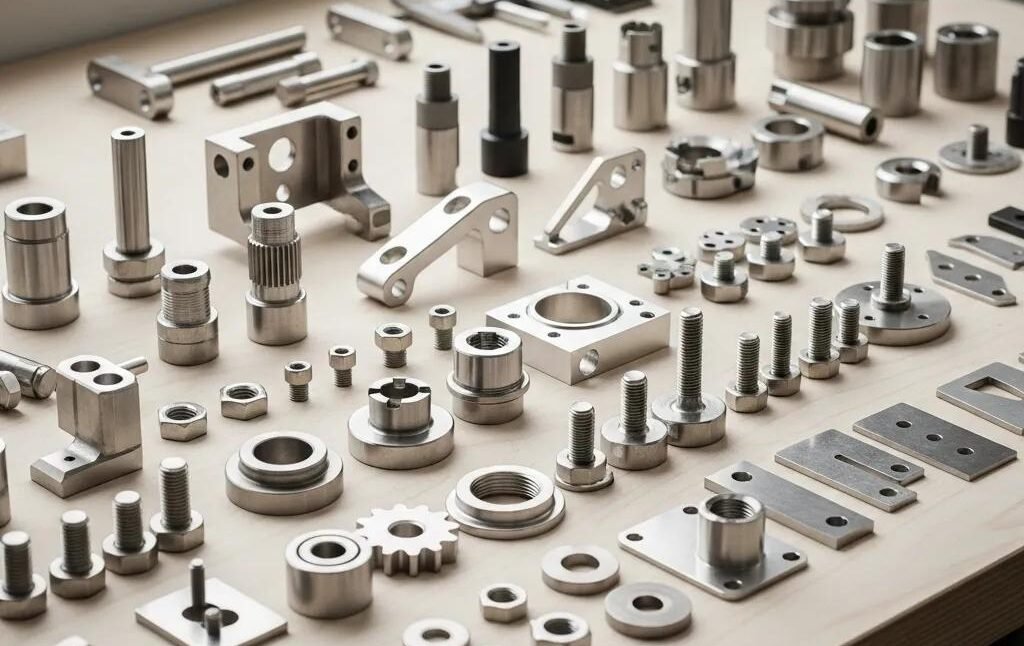
Stainless steel parts are integral to various industries due to their unique properties and versatility. This comprehensive guide explores the essential characteristics of stainless steel parts, including their fabrication, machining, applications, and fasteners. Readers will learn about the different grades of stainless steel, the processes involved in custom fabrication, and the benefits of precision machining. Many industries rely on stainless steel components for their durability and corrosion resistance, making it crucial to understand how these materials can be effectively utilized. This article will cover the key properties of stainless steel, the capabilities of machining services, the types of fasteners available, and the manufacturing processes involved in creating high-quality stainless steel parts.
What Are Stainless Steel Parts and Their Key Properties?
Stainless steel parts are components made from stainless steel, a corrosion-resistant alloy that contains a minimum of 10.5% chromium. This unique composition provides stainless steel with its characteristic durability and resistance to rust and staining. The combination of chromium and other alloying elements, such as nickel and molybdenum, enhances the material’s strength and makes it suitable for a wide range of applications, from automotive to medical devices.
What Makes Stainless Steel Corrosion Resistant and Durable?
The corrosion resistance of stainless steel is primarily due to the presence of chromium, which forms a passive layer of chromium oxide on the surface. This layer protects the underlying metal from environmental factors that can cause corrosion. Compared to other materials, stainless steel exhibits superior durability, making it ideal for applications in harsh environments. Real-world examples include its use in marine applications, where exposure to saltwater can lead to rapid deterioration of other metals.
Which Stainless Steel Grades Are Commonly Used in Parts Manufacturing?
Several grades of stainless steel are commonly used in parts manufacturing, each with distinct properties and applications. The most widely used grades include 304 and 316 stainless steel. Grade 304 is known for its excellent corrosion resistance and is often used in kitchen equipment and food processing. In contrast, grade 316 offers enhanced resistance to pitting and crevice corrosion and is preferred for marine and chemical applications. Understanding the advantages and disadvantages of each grade is essential for selecting the right material for specific applications.
Research further elaborates on the specific mechanisms that make 316 stainless steel highly resistant to various forms of corrosion.
Corrosion Resistance of 316 Stainless Steel
To resist the corrosion rate, stainless steel 316 has been chosen because of the presence of 2-3% molybdenum content and the presence of molybdenum plays a vital role in corrosion resistance. In this study, literature related to various works has been reviewed to explain the corrosion behaviour on cavitation, crevice, electrochemical, erosion, fatigue, galvanic, uniform, pitting, and stress corrosion which act on 316 stainless steel.
Comprehensive review of various corrosion behaviours on 316 stainless steel, K Baranidharan, 2021
How Does Custom Stainless Steel Fabrication Create Precision Parts?
Custom stainless steel fabrication involves various processes that transform raw materials into precision parts tailored to specific requirements. This process is crucial for industries that demand high-quality components with exact specifications. Custom fabrication ensures that parts meet the unique needs of different applications, enhancing performance and reliability.
What Fabrication Processes Are Used for Stainless Steel Parts?
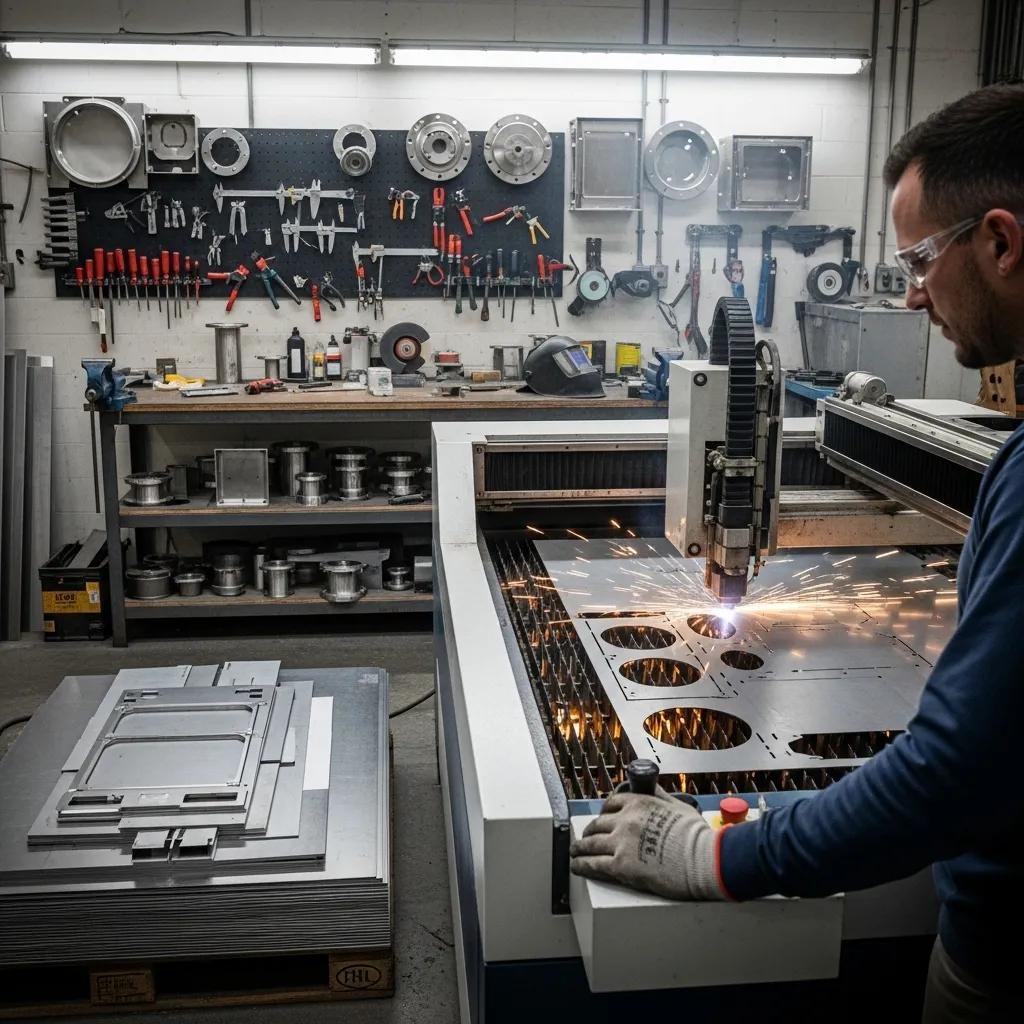
Several fabrication processes are employed in the production of stainless steel parts, including laser cutting, welding, and bending. Laser cutting allows for precise shapes and dimensions, while welding techniques ensure strong joints between components. Bending and forming processes enable the creation of complex geometries, making it possible to produce parts that meet specific design criteria.
How Do Custom Fabrication Services Meet Industry-Specific Requirements?
Custom fabrication services cater to various industries by providing tailored solutions that meet specific regulatory and performance standards. For instance, aerospace applications require components that adhere to strict weight and strength specifications, while medical device manufacturing demands high levels of cleanliness and precision. By understanding the unique requirements of each industry, custom fabrication services can deliver parts that not only meet but exceed expectations.
What Are the Capabilities and Benefits of Stainless Steel Machining Services?
Stainless steel machining services offer a range of capabilities that enhance the production of high-performance components. Precision machining is critical for ensuring that parts fit together correctly and function as intended. The benefits of utilizing stainless steel machining services include improved accuracy, reduced waste, and faster production times.
Which Machining Techniques Are Applied to Stainless Steel Parts?
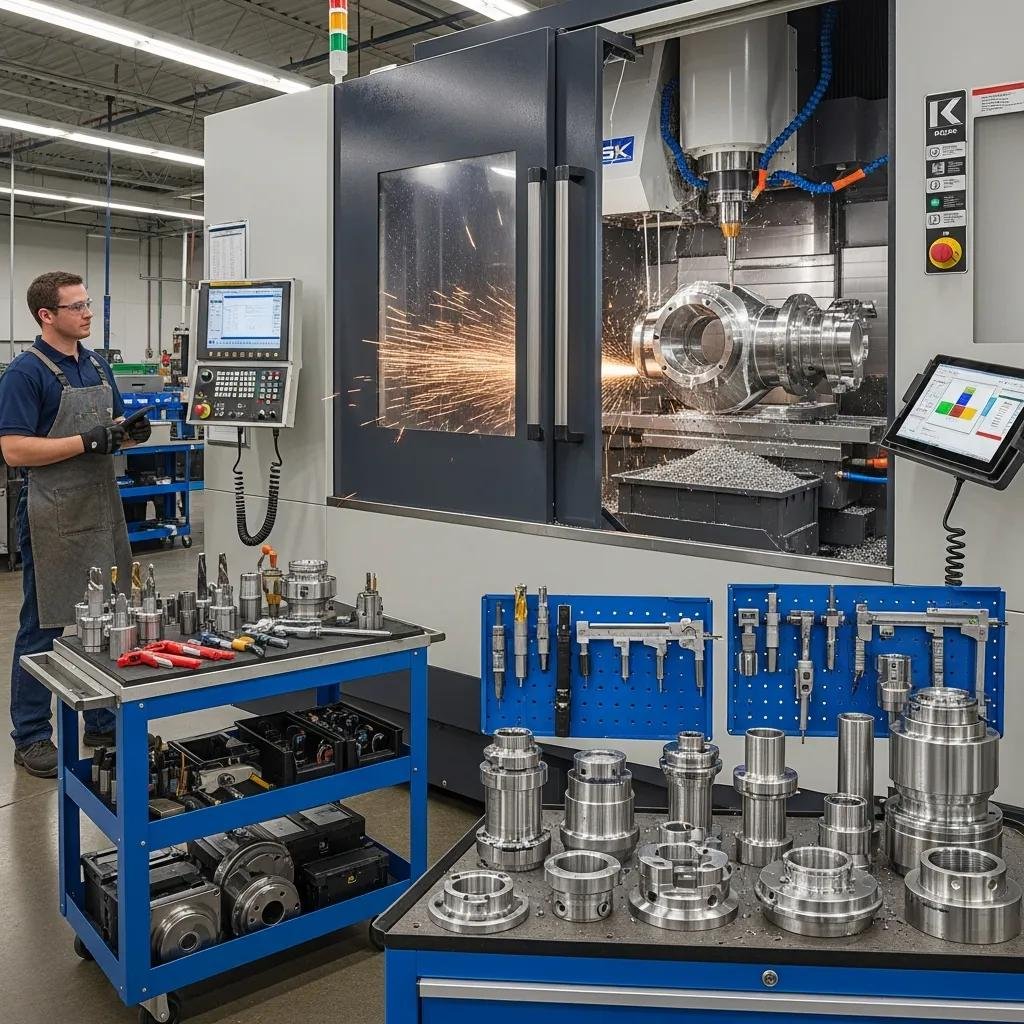
Various machining techniques are applied to stainless steel parts, including CNC machining, electrical discharge machining (EDM), and turning and milling. CNC machining provides high precision and repeatability, making it ideal for producing complex shapes. EDM is particularly useful for creating intricate designs in hard materials, while turning and milling are fundamental processes for shaping and finishing parts.
Why Is Precision Machining Critical for High-Performance Stainless Steel Components?
Precision machining is essential for high-performance stainless steel components because it directly impacts the functionality and longevity of the parts. Accurate machining ensures that components fit together seamlessly, reducing the risk of failure in critical applications. Additionally, maintaining tight tolerances can lead to cost savings by minimizing material waste and rework, ultimately enhancing overall production efficiency.
What Are the Common Types and Grades of Stainless Steel Fasteners?
Stainless steel fasteners are crucial components in various assemblies, providing strength and durability. They come in different types and grades, each suited for specific applications. Understanding the characteristics of these fasteners is vital for selecting the right one for a given project.
How Do Different Stainless Steel Grades Affect Fastener Performance?
The performance of stainless steel fasteners is significantly influenced by their grade. For example, grade 304 fasteners are suitable for general applications, while grade 316 fasteners are preferred in corrosive environments due to their superior resistance to pitting and crevice corrosion. Choosing the appropriate grade ensures that fasteners can withstand the conditions they will face in service.
What Are Typical Applications for Various Stainless Steel Fastener Types?
Stainless steel fasteners are used in a wide range of applications, including construction, automotive, and marine industries. In construction, they provide structural integrity in buildings and bridges. In the automotive sector, stainless steel fasteners are used in engine components and body panels, while in marine applications, they are essential for securing equipment and structures exposed to harsh environments.
What Is the Stainless Steel Manufacturing Process from Raw Material to Finished Part?
The manufacturing process of stainless steel parts involves several key steps, transforming raw materials into finished components ready for use. Understanding this process is essential for ensuring quality and consistency in production.
What Are the Key Steps in Stainless Steel Part Production?
The production of stainless steel parts typically includes melting and forming, cutting and shaping, and finishing processes. Initially, raw materials are melted in a furnace and then cast into ingots or slabs. These are subsequently shaped through processes like forging or rolling. Cutting and shaping techniques, such as laser cutting or machining, are then employed to achieve the desired dimensions.
How Is Quality Control Ensured Throughout Stainless Steel Manufacturing?
Quality control is a critical aspect of stainless steel manufacturing, ensuring that parts meet specified standards and performance criteria. Various testing methods, including tensile testing and corrosion resistance assessments, are employed to verify the integrity of the materials. Compliance with industry standards and continuous improvement practices further enhance the quality of the final products.
Which Industries Use Stainless Steel Parts and What Are Emerging Trends?
Stainless steel parts are utilized across numerous industries, reflecting their versatility and reliability. Understanding the primary applications and emerging trends can provide insights into the future of stainless steel manufacturing.
What Are the Primary Industry Applications for Stainless Steel Parts?
Key industries that utilize stainless steel parts include aerospace, medical device manufacturing, and food processing. In aerospace, stainless steel components are used for their strength and resistance to extreme conditions. The medical industry relies on stainless steel for surgical instruments and implants due to its biocompatibility and ease of sterilization. In food processing, stainless steel is favored for its hygienic properties and resistance to corrosion.
What Are the Latest Trends in Stainless Steel Parts Manufacturing?
Emerging trends in stainless steel parts manufacturing include advancements in automation and sustainability practices. The integration of smart manufacturing technologies, such as IoT and AI, is enhancing production efficiency and quality control. Additionally, there is a growing emphasis on sustainable practices, including recycling and the use of eco-friendly materials, which are shaping the future of stainless steel manufacturing.
One significant advancement in manufacturing technology is additive manufacturing, which offers new possibilities for creating complex stainless steel components, particularly for demanding sectors like aerospace.
Additive Manufacturing of AISI-316L Stainless Steel for Aerospace
Additive manufacturing or 3D printing is recognized as a revolutionary type of processing to replace the traditionally fabricated components, including castings, wrought products and multiple piece assemblies thereof. 3D printing helps to realize complicated parts within a short time, with minimum material wastage and allowing higher level of design optimization. Two types of brackets in stainless steel AISI-316L grade for aerospace applications were realized through laser powder bed fusion method. Detailed characterization, analysis and structural testing were performed on the powder, test coupons and the component itself to qualify these brackets for the intended application. Significant amount of material removal, excessive machining time and associated problems such as residual stresses and warpage envisaged in the conventional manufacturing route have been avoided.
Characterization and qualification of LPBF additively manufactured AISI-316
L stainless steel brackets for aerospace application, VA Kumar, 2020
| Stainless Steel Grade | Key Properties | Common Applications |
|---|---|---|
| 304 | Good corrosion resistance, easy to weld | Kitchen equipment, food processing |
| 316 | Excellent resistance to pitting and crevice corrosion, high strength | Marine applications, chemical processing |
| 410 | Moderate corrosion resistance, good hardness | Cutlery, automotive components |
The table above highlights the key properties and applications of different stainless steel grades, illustrating their suitability for various industries.
Stainless steel parts play a vital role in modern manufacturing, offering durability, corrosion resistance, and versatility. Understanding the properties, fabrication processes, and applications of stainless steel components is essential for industries that rely on these materials for their products. As technology advances, the manufacturing of stainless steel parts will continue to evolve, incorporating new techniques and practices that enhance performance and sustainability.