Plastic ester processing represents an important capability in precision manufacturing, offering solutions for applications that require specific combinations of clarity, chemical resistance, and dimensional stability. For manufacturers and buyers seeking custom plastic components, understanding how plastic ester materials behave during CNC machining helps set realistic expectations and achieve better project outcomes.
At Gran.my, we provide plastic ester CNC machining services as part of our comprehensive manufacturing capabilities. This guide explains what plastic ester processing involves, why it matters for precision components, and how it supports various industrial applications.
What is Plastic Ester Processing?
Plastic ester processing involves the specialized machining and fabrication of ester-based polymers, most notably Polyethylene Terephthalate (PET) and its variations like PETG. These materials are known for their exceptional mechanical strength, chemical resistance, and ease of processing. In a CNC machining context, processing refers to the removal of material using high-precision tools to create complex geometries that would be difficult to achieve through molding alone.
Why Plastic Ester Materials Matter in Precision Manufacturing
Ester-based plastics are often the “middle ground” between standard commodity plastics and high-cost high-performance polymers. They offer a balance of properties that make them ideal for structural parts that also need to look good.
Key Material Properties
- Dimensional Stability: Unlike some other plastics, esters have low moisture absorption, ensuring parts maintain their size and shape in humid environments.
- High Strength and Stiffness: PET is naturally rigid, making it suitable for load-bearing components.
- Chemical Resistance: They resist a wide range of oils, greases, and diluted acids.
- Optical Clarity: Variations like PETG offer excellent transparency, essential for viewing ports and display components.
The Plastic Ester CNC Machining Process
Precision is the hallmark of CNC machining, but working with esters requires specific technical knowledge to prevent melting or cracking.
Material Preparation and Handling
Before machining begins, the plastic stock must be inspected for internal stresses. We often use stress-relieved plates or rods to ensure the part doesn’t warp after the material is removed. Proper storage in temperature-controlled environments is also critical.
Machining Parameters
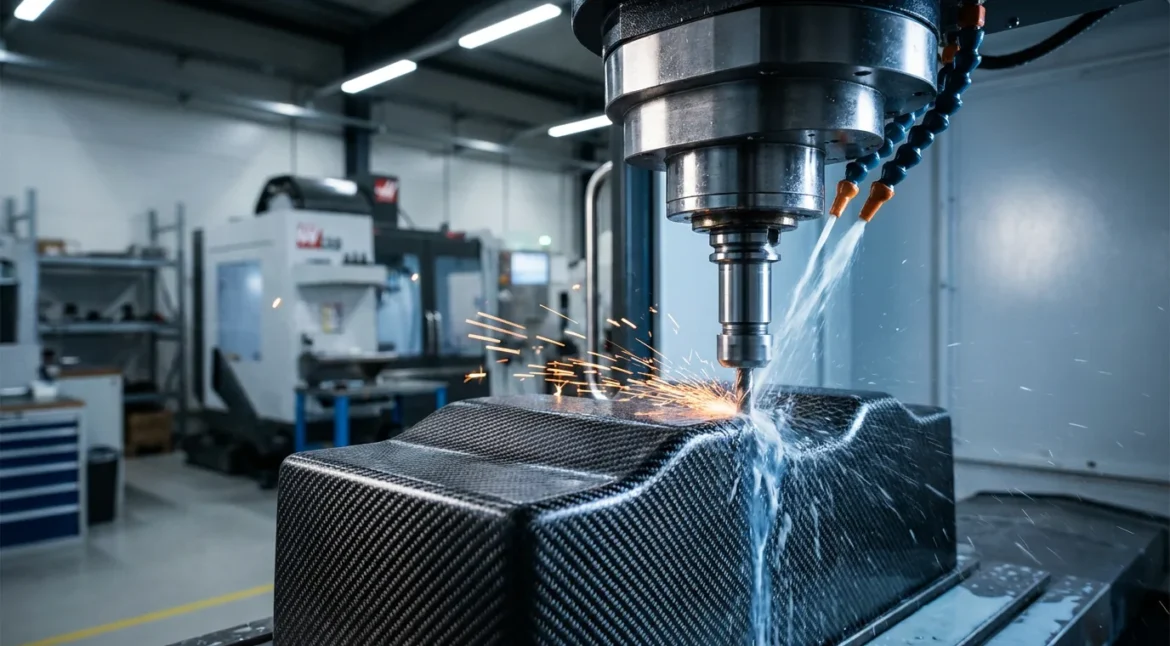
Plastic ester processing requires high cutting speeds and relatively low feed rates compared to metals. Using sharp, single-flute or two-flute end mills specifically designed for plastics helps prevent heat buildup.
Cooling and Chip Management
While some plastics can be machined dry, we often use air cooling or specialized water-based lubricants to clear chips quickly. Proper chip management is vital because ester chips can be stringy and may wrap around the tool, leading to surface finish issues.
Applications of Plastic Ester CNC Machining
The versatility of these materials allows them to serve in diverse sectors.
Industrial Equipment Components
Precision-machined PET parts are frequently used for rollers, guides, and gears where low friction and high wear resistance are required.
Electronic and Electrical Applications
Due to their excellent insulating properties, these materials are used for connectors, insulators, and housing components for sensitive electronics.
Medical and Healthcare
Certain grades of PET and PETG are biocompatible and chemical-resistant, making them ideal for laboratory equipment components and surgical tool handles.
Display and Packaging
The clarity of PETG, combined with CNC machining’s ability to create clean edges and polished finishes, makes it a top choice for high-end retail displays and protective covers.
Quality Control in Plastic Ester Processing
Maintaining tight tolerances in plastics is more challenging than in metals due to the material’s thermal expansion.
Inspection and Verification
We use CMM (Coordinate Measuring Machine) and optical inspection tools to verify dimensions. For ester materials, we ensure measurements are taken at a standardized temperature to account for thermal expansion.
Common Defects and Prevention
The most common issues include “gumming” (melting) and burring. We prevent these by maintaining optimal tool sharpness and using the correct spindle speeds. Stress cracking is prevented by avoiding aggressive machining strategies that induce heat.
Why Choose Gran.my for Plastic Ester Processing
Gran.my combines advanced 3-axis and 5-axis CNC technology with deep material expertise. Our team understands the nuances of plastic ester processing, from selecting the right grade of PET to achieving the mirror-like finish required for optical parts. We focus on delivering precision components that meet your exact specifications, on time and within budget.
Conclusion
Plastic ester processing offers manufacturers and buyers a reliable method for producing precision plastic components with specific property requirements. Understanding the materials, processing parameters, and quality considerations helps ensure successful project outcomes.
Whether you need machine guards, electronic components, medical device parts, or display fixtures, precision plastic ester CNC machining process delivers the accuracy and consistency your applications require.
Related Pages for Engineering Plastic Projects
These internal links connect engineering plastic machining with service scope, process planning, and quotation support.