
Aerospace CNC machining projects usually involve lightweight structures, close-fit assemblies, material control, and repeatable inspection requirements. For buyers, the challenge is not only finding a supplier that can cut the geometry. The real challenge is making sure the drawing, material, tolerance, finish, and inspection expectations are clear before production starts.
Gran Industries supports precision machining projects where aerospace-related components, prototype parts, brackets, housings, plates, and lightweight assemblies need practical engineering review before quotation. The goal is to reduce uncertainty early, choose a realistic machining route, and keep production communication consistent from first sample to repeat order.
This guide explains how aerospace CNC machining projects should be reviewed, which requirements affect cost and lead time, and what buyers should prepare before requesting a quote.
Why aerospace CNC machining depends on controlled requirements
Aerospace-related components often have features that affect assembly alignment, weight, stiffness, surface contact, or part replacement. Even when the part looks simple, tolerance stack-up, material choice, thin walls, hole patterns, and surface condition can all influence whether the finished component is practical to manufacture.
Before quotation, the review should identify:
- Critical dimensions, datums, hole patterns, and mating surfaces
- Material grade and any customer-specified material requirements
- Whether the part is a prototype, sample batch, or repeat-production item
- Surface finish, edge break, coating, or appearance expectations
- Inspection points that must be confirmed before shipment
This connects directly with how tight tolerances affect CNC machining cost and lead time.
Materials and features that affect aerospace machining planning
Aerospace-related parts may use aluminum alloys, stainless steel, engineering plastics, or carbon fiber depending on weight, strength, corrosion exposure, insulation, and assembly requirements. Each material changes the machining strategy, tooling choice, edge behavior, and finishing plan.
Feature details also matter. Thin pockets, deep slots, precision holes, threaded inserts, bearing seats, large flat faces, and lightweight cutouts may require different fixture planning and inspection methods. When these details are not defined clearly, quotation accuracy and production stability both suffer.
Tolerance and inspection priorities for aerospace components
Not every dimension needs the same tolerance level. Aerospace CNC machining projects should separate function-critical features from general geometry so the supplier can focus control where it actually matters. That improves quotation clarity and helps avoid unnecessary manufacturing burden on non-critical areas.
Useful inspection priorities include:
- Datum surfaces and mounting faces that control assembly alignment
- Precision holes, slots, bores, and thread features
- Flatness, parallelism, or perpendicularity where the drawing requires it
- Edge condition and deburring on handling or mating surfaces
- First-piece checks before repeat production continues
For new or revised drawings, first article inspection in CNC machining helps confirm that the process matches the approved drawing before larger quantities move forward.
How material choice changes machining and finishing decisions
Aluminum is often chosen for weight-sensitive components and finishing flexibility. Stainless steel may be used where strength, wear resistance, or corrosion exposure matters. Carbon fiber can support lightweight panels, plates, and custom structures where stiffness-to-weight ratio is important. Each option needs a different process discussion.
If weight reduction is a major requirement, see our carbon fiber processing service for lightweight custom parts. If the material is not finalized, the quotation should include the application context so the machining route can be reviewed realistically.
What to send before requesting an aerospace CNC machining quote
To quote accurately, send drawings, CAD files if available, material grade, quantity, target lead time, finish requirements, and inspection expectations. It is also useful to identify which features are critical to assembly or performance instead of applying tight requirements everywhere.
Gran Industries reviews projects through a practical CNC machining process from inquiry to delivery. If your aerospace-related component is ready for review, you can send drawings for aerospace CNC machining quotation.


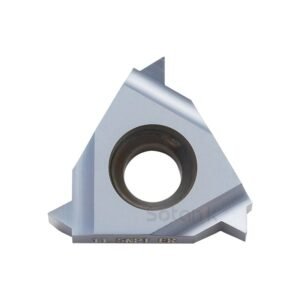 Carbide Threading Insert, 16ER, 16IR, 8NPT 11.5NPT 14NPT 18NPT 27NPT NPT
 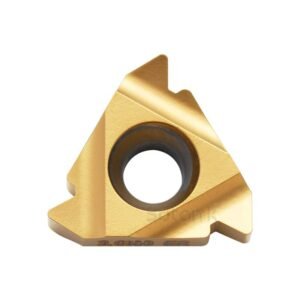 Carbide Threading Insert, 16ER, 16IR, 0.5 0.75 1.0 1.25 1.5 1.75 2.0 2.5 3.0 ISO
 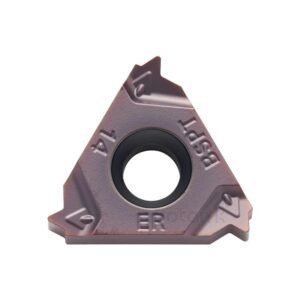 Carbide Threading Insert, 16ERM 16IRM 11BSPT 14BSPT 19BSPT BSPT
 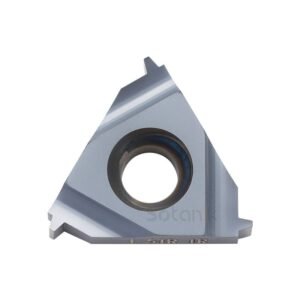 Carbide Threading Insert, 16ER 16IR 1.5TR 2.0TR 2.5TR 3.0TR TR
 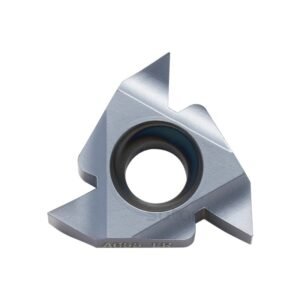 Carbide Threading Insert, 16ER AG55, 16IR AG55
  80° Carbide Insert, CCMT Insert, Positive, SL1