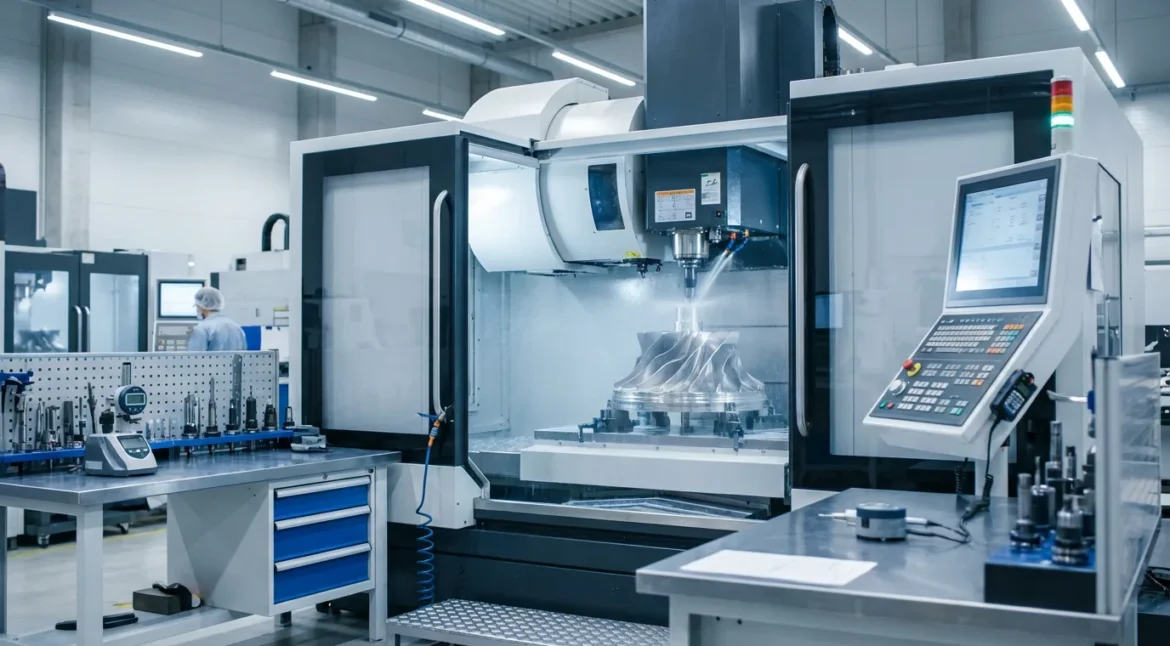
Pemesinan CNC peranti perubatan memerlukan lebih daripada sekadar pemotongan yang tepat. Bagi projek komponen berkaitan penjagaan kesihatan, pembeli biasanya memerlukan geometri yang bersih, toleransi yang boleh dipercayai, keadaan permukaan yang terkawal dan komunikasi yang jelas sebelum bahagian tersebut beralih daripada semakan prototaip kepada pengeluaran berulang.
Gran Industries menyokong projek pemesinan jitu di mana lukisan, keperluan bahan, titik pemeriksaan dan jangkaan kemasan perlu disemak dengan teliti sebelum sebut harga. Kami tidak menganggap kerja berkaitan perubatan sebagai permintaan pemesinan generik. Fungsi bahagian, pilihan bahan, ciri kritikal dan jangkaan dokumentasi harus dijelaskan lebih awal supaya laluan pembuatan realistik dan boleh diulang.
Artikel ini menerangkan bagaimana pemesinan CNC peranti perubatan projek perlu disediakan, maklumat yang perlu ditakrifkan oleh pembeli sebelum sebut harga dan bagaimana semakan dalaman membantu mengurangkan ketidakpastian dalam pembuatan komponen penjagaan kesihatan jitu.
Mengapa pemesinan CNC peranti perubatan memerlukan keperluan bahagian yang jelas
Projek komponen penjagaan kesihatan selalunya merangkumi ciri-ciri kecil, tepi yang bersih, lubang terkawal, lubang berulir, permukaan pengedap atau permukaan kosmetik yang tidak boleh dikendalikan hanya dengan andaian. Pembekal mungkin boleh memproses bentuk tersebut, tetapi sebut harga hanya berguna apabila keperluan di sebalik bentuk tersebut difahami.
Sebelum memetik, ulasan tersebut harus menjelaskan:
- Dimensi atau hubungan geometri yang manakah penting untuk berfungsi
- Sama ada bahagian itu prototaip, sampel pengesahan atau item pengeluaran ulangan
- Gred bahan, kemasan dan keadaan tepi yang diperlukan
- Sama ada lubang berulir, lubang, slot atau dinding nipis memerlukan kawalan yang lebih ketat
- Maklumat pemeriksaan yang dijangkakan oleh pembeli dengan bahagian siap
Ini adalah sebab yang sama ulasan lukisan sebelum sebut harga pemesinan CNC adalah penting untuk alat ganti tersuai dalam mana-mana industri yang mencabar.
Bahan dan ciri yang perlu ditentukan oleh pembeli sebelum sebut harga
Projek komponen peranti perubatan mungkin menggunakan keluli tahan karat, aluminium, plastik kejuruteraan atau bahan lain yang ditentukan bergantung pada aplikasi. Pelan pemesinan berubah bergantung pada sama ada bahagian tersebut memerlukan rintangan kakisan, berat yang rendah, penebat, kemasan permukaan yang bersih atau ciri berulir dan lubang yang stabil.
Daripada hanya meminta harga berdasarkan lukisan, pembeli harus menentukan gred bahan, kuantiti, jangkaan kemasan dan sebarang ciri yang mengawal pemasangan atau pengendalian. Ini amat penting untuk lubang kecil, lubang dalam, bahagian nipis, kawasan pengedap dan permukaan yang memerlukan hasil visual atau fungsi yang lebih bersih.
Di mana pemesinan jitu menyokong projek komponen penjagaan kesihatan
Pemesinan CNC boleh menyokong pelbagai keperluan komponen penjagaan kesihatan yang tidak steril dan khusus projek, termasuk perumah, lekapan, pendakap, penutup, komponen berkaitan instrumen, bahagian peralatan ujian dan bahagian tersuai yang digunakan dalam pembangunan produk. Laluan pembuatan yang tepat bergantung pada perincian lukisan, bahan, tahap toleransi dan kuantiti pengeluaran.
Untuk kerja peringkat awal, pemesinan prototaip membantu pelanggan mengesahkan kesesuaian, pemasangan, kelakuan bahan dan jangkaan kemasan. Untuk kerja berulang, tumpuan beralih kepada persediaan yang stabil, pemeriksaan terkawal dan komunikasi yang konsisten merentasi kelompok.
Keutamaan kawalan kualiti untuk pemesinan CNC peranti perubatan
Kawalan kualiti perlu dirancang sebelum pemesinan bermula. Bagi kebanyakan bahagian ketepatan, persoalan yang paling penting bukanlah sama ada setiap ciri memerlukan toleransi yang seketat mungkin. Ia adalah ciri yang benar-benar mengawal kesesuaian, fungsi, pengedap, pergerakan atau pemasangan.
Pusat pemeriksaan kualiti yang berguna termasuk pengesahan bahan, semakan bahagian pertama, pemeriksaan dimensi ciri-ciri kritikal, semakan tepi dan kemasan, dan semakan pembungkusan akhir. Untuk lukisan baharu atau yang telah disemak semula, pemeriksaan artikel pertama dalam pemesinan CNC boleh membantu mengesahkan bahawa proses tersebut telah siap sebelum pengeluaran berulang diteruskan.
Apa yang perlu dihantar sebelum meminta sebut harga pemesinan CNC perubatan
Untuk menjadikan sebut harga lebih tepat, hantarkan lukisan, fail CAD jika ada, gred bahan, kuantiti sasaran, toleransi kritikal, nota kemasan dan sebarang jangkaan pemeriksaan atau pembungkusan. Jika projek mempunyai keperluan dokumentasi, perkara tersebut harus dibincangkan sebelum sebut harga dimuktamadkan.
Gran Industries menyemak setiap projek melalui praktikal Proses pemesinan CNC dari semakan lukisan hingga penghantaran. Jika komponen anda sedia untuk penilaian, anda boleh hantar lukisan untuk ulasan pemesinan CNC peranti perubatan.