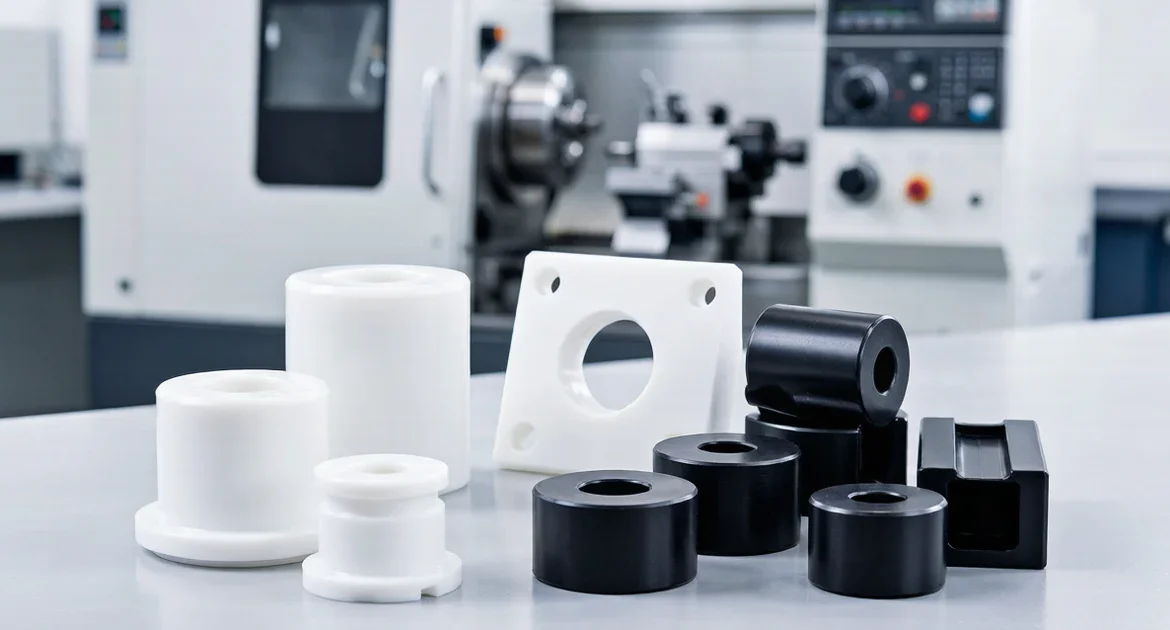
البلاستيك الهندسي هو العمود الفقري الصامت في التصميم الميكانيكي الحديث. فهو يقلل الوزن، ويزيل التآكل، ويمتص الاهتزازات، ويوفر عزلًا كهربائيًا حيث لا تستطيع المعادن ذلك. لكن تشغيله بشكل جيد ليس مجرد مسألة تشغيل برنامج معدني على قطعة بلاستيكية. فالبلاستيك ينحرف تحت ضغط التثبيت، ويتمدد بالحرارة أثناء القطع، وينتج نتوءات تتطلب عناية مختلفة عن تلك المدرّبة على الألمنيوم أو الفولاذ.
في شركة GRAN INDUSTRIES SDN. BHD.، يتم تنظيم تشغيل البلاستيك الهندسي حول أربع عمليات CNC أساسية: الخراطة، والتفريز، والتثقيب والتجويف، والمعالجة السطحية. يتم اختيار كل منها بناءً على هندسة القطعة، ومتطلبات التركيب، وظروف التشغيل التي سيواجهها المكوّن النهائي. تشرح هذه المقالة كل طريقة، والفئات النموذجية للأجزاء التي تنتجها، وكيف تضمن عملية مراجعة المشروع في GRAN اختيار نهج التشغيل الصحيح قبل بدء الإنتاج.
لماذا يحتاج البلاستيك الهندسي إلى نهج تشغيل مختلف
يتصرف البلاستيك بشكل مختلف عن المعادن بثلاث طرق تؤثر مباشرة على جودة التشغيل:
- التمدد الحراري — يتمدد البلاستيك بشكل أكبر بكثير من المعادن عند التسخين. فالقطعة التي تُقاس بشكل صحيح أثناء القطع قد تكون أصغر من الحجم المطلوب بعد أن تبرد. وهذا أمر بالغ الأهمية لمقاعد المحامل وخصائص التثبيت بالضغط حيث يجب أن يبقى القطر النهائي ضمن نطاق ضيق عند درجة حرارة الغرفة.
- انحراف التثبيت — على عكس الألمنيوم، يتشوه البلاستيك تحت قوة التثبيت. فالجلبة رقيقة الجدران التي تُمسك بإحكام شديد في ظرف المخرطة سترتد عند تحريرها، مما يؤدي إلى تجويف غير دائري. يجب أن توزع تركيبات التثبيت الحمل على كامل القطعة بدلاً من تركيزه عند نقاط تلامس الفكوك الثلاثة.
- تكوّن النتوءات — النتوءات البلاستيكية ليست مثل النتوءات المعدنية. فهي غالبًا مرنة وخيطية وليست حادة، ولا تنكسر بشكل نظيف باستخدام أداة إزالة النتوءات. إنها تتطلب نهجًا مختلفًا — أدوات حادة، ومعدلات تغذية مناسبة، وعمليات محددة لكسر الحواف.
1. الخراطة: العملية الأساسية للمكونات البلاستيكية الهندسية الدائرية
الخراطة هي العملية الأكثر شيوعًا لأجزاء البلاستيك الهندسي. أي مكوّن دائري في الأساس — جلبة، أو بكرة، أو كم، أو فاصل، أو حلقة — يبدأ على المخرطة. مفتاح الجودة في خراطة البلاستيك هو إدارة تراكم الحرارة مع الحفاظ على أقطار دقيقة.
الأجزاء المنتجة عبر الخراطة:
- الجلب والأكمام — مكونات تآكل أسطوانية بأقطار داخلية وخارجية مضبوطة. غالبًا ما تتطلب تفاوتات ملاءمة محامل على القطر الداخلي وملاءمة انزلاقية على القطر الخارجي لتركيبها في الهيكل.
- البكرات وعجلات التوجيه — مكونات دوارة بمقاعد محامل، وأسطح كتفية، وأحيانًا مقاطع خارجية محدبة أو مخددة. التركيز بين التجويف والقطر الخارجي هو البعد الحرج.
- الفواصل والأطواق — حلقات بسيطة وعناصر فصل بأسطح متوازية وطول إجمالي مضبوط. توازي الأسطح مهم لأن هذه الأجزاء تحدد الموضع المحوري في التجميع.
- الحلقات والأجزاء الدائرية المخصصة — مكونات خراطة خاصة بالتطبيق مع أكتاف، ودرجات، وأخاديد، أو شطفات.
في GRAN، تستخدم خراطة البلاستيك أدوات ذات زاوية أشعال موجبة حادة لقص المادة بدلاً من دفعها. يُستخدم المبرد بشكل محدود أو لا يُستخدم إطلاقًا للمواد مثل POM والنايلون التي تمتص الرطوبة، حيث يمكن أن يتغير الاستقرار البعدي بعد جفاف قطعة مشبعة بالمبرد. يتم ضبط معدلات التغذية وسرعات المغزل لكل درجة بلاستيك — فالنايلون المملوء بالزجاج الذي يُخرط بسرعة POM غير المملوء سينتج سطحًا خشنًا وممزقًا.
2. التفريز: إنشاء المقاطع والجيوب والأسطح المسطحة
يتعامل التفريز مع الأجزاء البلاستيكية غير الدائرية: الكتل، والألواح، والعوازل، وقضبان التوجيه، والمكونات المحولة ذات الأسطح المرجعية المسطحة، والميزات المجوفة، والفتحات، والمقاطع الجانبية.
الأجزاء المنتجة عبر التفريز:
- ألواح وكتل العزل — مكونات مسطحة بأنماط فتحات تثبيت، ومقاطع مسارات، وميزات مجوفة. الاستقرار البعدي هو الأولوية لأن هذه الأجزاء تتفاعل مع التجميعات الكهربائية أو الهيكلية.
- قضبان التوجيه ووسادات التآكل — عناصر انزلاق خطية بأسطح تلامس مسطحة، وفتحات تثبيت، وثقوب براغي غاطسة. جودة السطح على وجه الانزلاق تحدد سلوك الاحتكاك أثناء الخدمة.
- ألواح المحولات والأغطية — ألواح بلاستيكية مخصصة الشكل مع مسارات خارجية، وحفر ثقوب، وتشكيل حواف لتجميعات الآلات OEM.
- الهياكل المخصصة المُشغّلة — أجزاء صندوقية أو شبيهة بالأغلفة تتطلب تفريزًا متعدد الجوانب مع أرضيات جيوب، وزوايا داخلية، ومواقع إدخالات ملولبة.
التحدي الرئيسي في تفريز البلاستيك هو تثبيت الشغلة دون تشويه. فاللوح المثبت بإحكام عند الزوايا يمكن أن ينحني للأعلى في المنتصف، مما يتسبب في عدم استواء أرضية الجيب. تستخدم GRAN تركيبات تفريغ هوائي، وتثبيتًا منخفض الارتفاع مع وسادات تلامس موزعة، وتثبيتًا بشريط لاصق مزدوج الجوانب للألواح البلاستيكية الرقيقة للحفاظ على استواء القطعة دون إدخال إجهاد.
3. التثقيب والتجويف والتنفيط: إنشاء واجهات وظيفية
عمليات إنشاء الثقوب على البلاستيك الهندسي تحمل مجموعة مخاطر خاصة بها. فالمثقاب الذي يدخل بعدوانية شديدة يمكن أن يذيب جدار الثقب بدلاً من قطعه. والتجويف الذي يولد حرارة زائدة يمكن أن ينغلق بعد التبريد. والثقب الملولب في البلاستيك يتصرف بشكل مختلف تمامًا عن نفس الخيط في المعدن.
عمليات إنشاء الثقوب في GRAN:
- التثقيب — ثقوب تمرير للمثبتات، وثقوب خلوص، ونقاط تثبيت. هندسة المثقاب الحادة بزوايا حلزونية عالية تزيل الرايش بفعالية وتقلل الاحتكاك في الثقب. دورات التثقيب التدريجي تكسر الرايش وتمنع تراكم الحرارة في الثقوب العميقة.
- ممل — أقطار داخلية دقيقة لمقاعد المحامل، ومبيتات الجلب، وثقوب التحديد. أدوات التجويف أحادية النقطة تسمح بضبط القطر للتعويض عن الارتداد المادي بعد تمرير التخشين.
- التنفيط — ثقوب ملولبة للمثبتات وميزات التجميع. بالنسبة للبلاستيك، يمكن لصنابير تشكيل الخيط إنتاج خيوط أقوى من صنابير قطع الخيط لأنها تزيح المادة بدلاً من قطعها، مما يضغط البلاستيك حول ملف الخيط. تُستخدم الإدخالات الملولبة (الحلزونية أو بقفل المفتاح) عندما يتم تجميع الوصلة وفكها بشكل متكرر.
4. المعالجة السطحية والحواف: التشطيب للتركيب والمتانة
لا يُعتبر جزء البلاستيك الهندسي مكتملًا عند إجراء آخر قطع. فالمعالجة السطحية والحواف تحول الفراغ المُشغّل إلى مكوّن جاهز للتجميع بتركيبات نظيفة، وأسطح تلامس ناعمة، ومظهر موحد عبر الدفعات.
تشمل المعالجة بعد التشغيل:
- إزالة النتوءات — Removing the flexible, stringy burrs that form on plastic edges. Manual deburring with a sharp blade at the correct angle works better than rotary deburring tools, which can melt or smear the plastic rather than cleanly removing the burr.
- Edge refinement — Breaking sharp corners with a controlled chamfer or radius. Plastic edges that feel sharp to the touch are often a sign of incomplete processing — a small 0.2 mm to 0.5 mm edge break improves handling safety and assembly feel without affecting functional geometry.
- Seat clean-up — Verifying that bearing seats, shoulder faces, and contact surfaces are free of burrs, chips, and cutting-fluid residue. A single trapped chip in a bearing seat can misalign a bearing by more than the tolerance band allows.
- Surface trimming — Light final passes on friction surfaces and visual faces to ensure consistent texture and appearance across the batch.
Which Process for Which Part: A Quick Reference
| فئة القطعة | الدوران | الطحن | Drill/Bore | Edge/Surface |
|---|---|---|---|---|
| Bushings & sleeves | \u2713 | \u2713 | \u2713 | |
| Rollers & guide wheels | \u2713 | \u2713 | \u2713 | |
| Spacers & collars | \u2713 | \u2713 | ||
| Insulator plates | \u2713 | \u2713 | \u2713 | |
| Guide rails & wear pads | \u2713 | \u2713 | \u2713 | |
| Adapter plates & covers | \u2713 | \u2713 | \u2713 | |
| Custom housings | \u2713 | \u2713 | \u2713 |
How GRAN Reviews Engineering Plastic Projects Before Production
Every engineering plastic project goes through a structured review before machining begins. This process catches the issues that are expensive to fix after the first batch is cut.
- Geometry and service condition review — We examine the part outline, wall thickness, and the operating environment. A bushing that runs dry at elevated temperature needs different machining parameters than one that operates in an oil bath at room temperature. Thin-walled sections, tall unsupported features, and deep pockets are flagged for fixturing review.
- Feature and tolerance check — Bearing seats, mounting holes, thread specifications, and slip-fit or press-fit interfaces are checked against the drawing. Tolerances that are achievable in metal may need adjustment for plastic due to thermal expansion and moisture absorption properties.
- Processing route selection — Based on geometry and features, we determine the operation sequence. A part that needs both turning and milling, for example, has its turned features completed first while the part is still a solid round blank, providing maximum rigidity for the critical diameters.
- Surface and edge expectation alignment — We confirm whether the part has friction surfaces (where finish directly affects function), cosmetic faces, or assembly-critical contact areas. This determines the edge refinement and surface handling standard.
- Sample validation — A small sample batch is machined and inspected for diameter accuracy, surface condition, burr control, and assembly fit before full production. For parts with tight bearing fits, samples are measured at stabilised room temperature to confirm final dimensions.
For the complete workflow from drawing to delivery, see our CNC machining process overview.
Start Your Engineering Plastic Machining Project
If your project involves plastic bushings, rollers, insulators, guide parts, spacers, or custom OEM plastic components, GRAN INDUSTRIES SDN. BHD. has the processing capability to go from sample validation to repeat production with consistent quality.
Send your drawing, reference sample, or project brief to info@gran.my or call +60 10-881 2868. Include part geometry, material preference, quantity requirements, and any special operating conditions your parts will face. Our team reviews every inquiry and returns a quotation with the recommended processing route and lead time.
Learn more on our Engineering Plastic Machining service page.
الأسئلة الشائعة
Q: Which engineering plastics can GRAN machine?
A: We machine a broad range of engineering plastics including POM (acetal/Delrin), nylon (PA6, PA66, glass-filled variants), PTFE (Teflon), UHMWPE, PEEK, and other engineering-grade thermoplastics. The right material depends on the application: POM for low-friction wear parts, nylon for toughness and impact resistance, PTFE for chemical resistance and high-temperature sliding, and PEEK for high-strength, high-temperature applications. If you are unsure which material fits your part, share the operating conditions during quotation and we will recommend the right grade.
Q: What tolerances can you hold on plastic turned parts?
A: Typical tolerances for turned plastic parts are \u00b10.05 mm on diameters and \u00b10.1 mm on lengths, but this depends on the material and part geometry. Tighter tolerances are achievable with stabilised machining conditions, but all plastic tolerances must account for thermal expansion and, in the case of nylons, moisture absorption. A nylon bushing machined to a tight bore tolerance on a dry day can measure differently after absorbing humidity. We discuss these material behaviours during quotation so you can specify tolerances that are both functional and realistic.
Q: Can you machine glass-filled or carbon-filled engineering plastics?
A: Yes, but filled plastics require different tooling and parameters compared to unfilled grades. Glass and carbon fibres are abrasive and wear standard carbide tooling faster. We use diamond-coated or specialised carbide tooling and adjust cutting parameters to manage tool life and surface finish on filled materials. The process is well-established \u2014 just let us know the material grade during quotation.
Q: What is the minimum order quantity for plastic CNC parts?
A: We support prototype and small-batch orders for initial design validation. Once the sample is approved, we move to production quantities based on your programme needs \u2014 no arbitrary minimum. Whether you need five parts for a fit-check or 5,000 for a scheduled OEM order, the project review and processing approach scales accordingly.
Q: Do plastic parts need different packaging or handling compared to metal parts?
A: Yes. Engineering plastics scratch more easily than metals, so individual part separation or compartmented packaging is used to prevent contact damage. Parts with tight bearing fits are packaged to keep them clean and free of debris, and nylon parts may be sealed in moisture-barrier packaging if dimensional stability during storage and transit is critical. We coordinate packaging based on your distribution requirements.
 M39x3 HSS 6542
 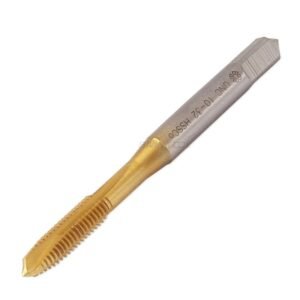 10-32 UNC