Aluminum Alloy CNC Machining
Malaysia-based aluminium machining for housings, heat sinks, brackets, base plates, spacers and turned components. Milling, turning, drilling, boring, tapping and finishing — to your drawing, from first article through repeat production.

What we actually cut
in aluminium.
All thirty-four aluminium parts in our catalogue, grouped by the operation that defines them. Every one came off our machines and has its own page — find the one closest to yours, it is the fastest way to tell whether we are the right shop.
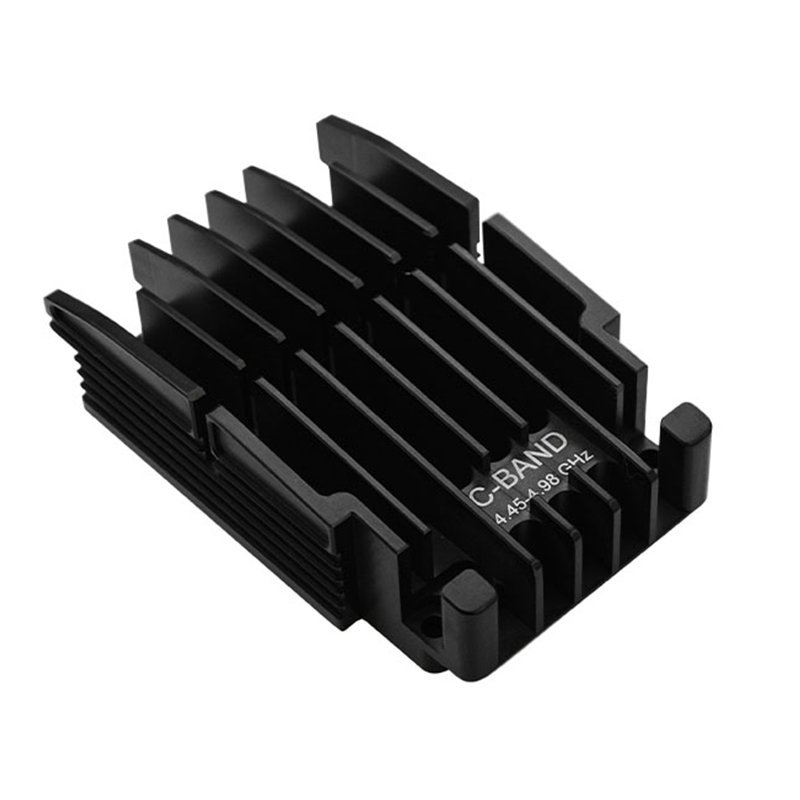
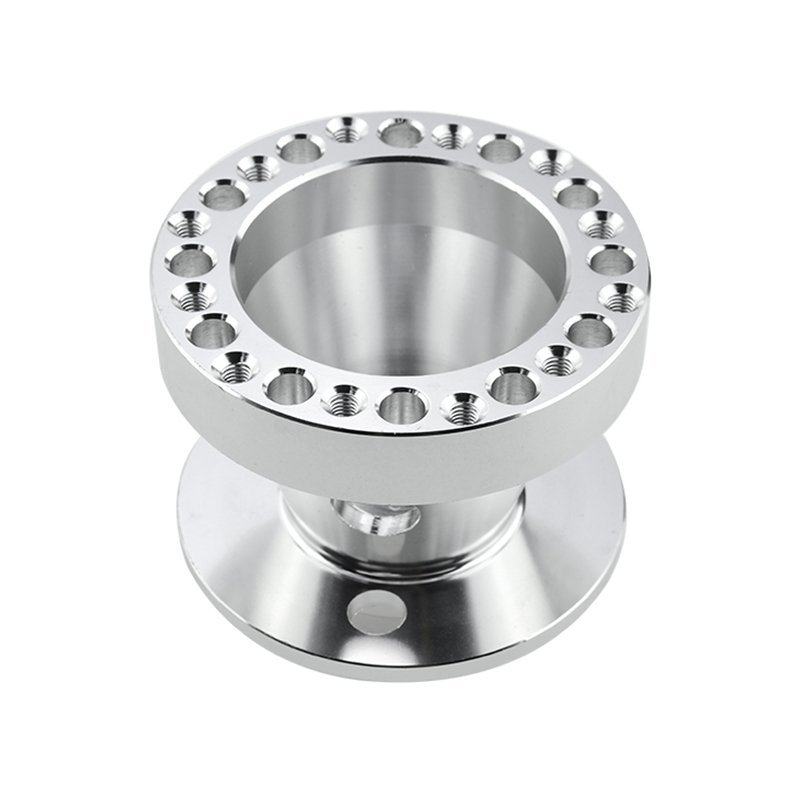
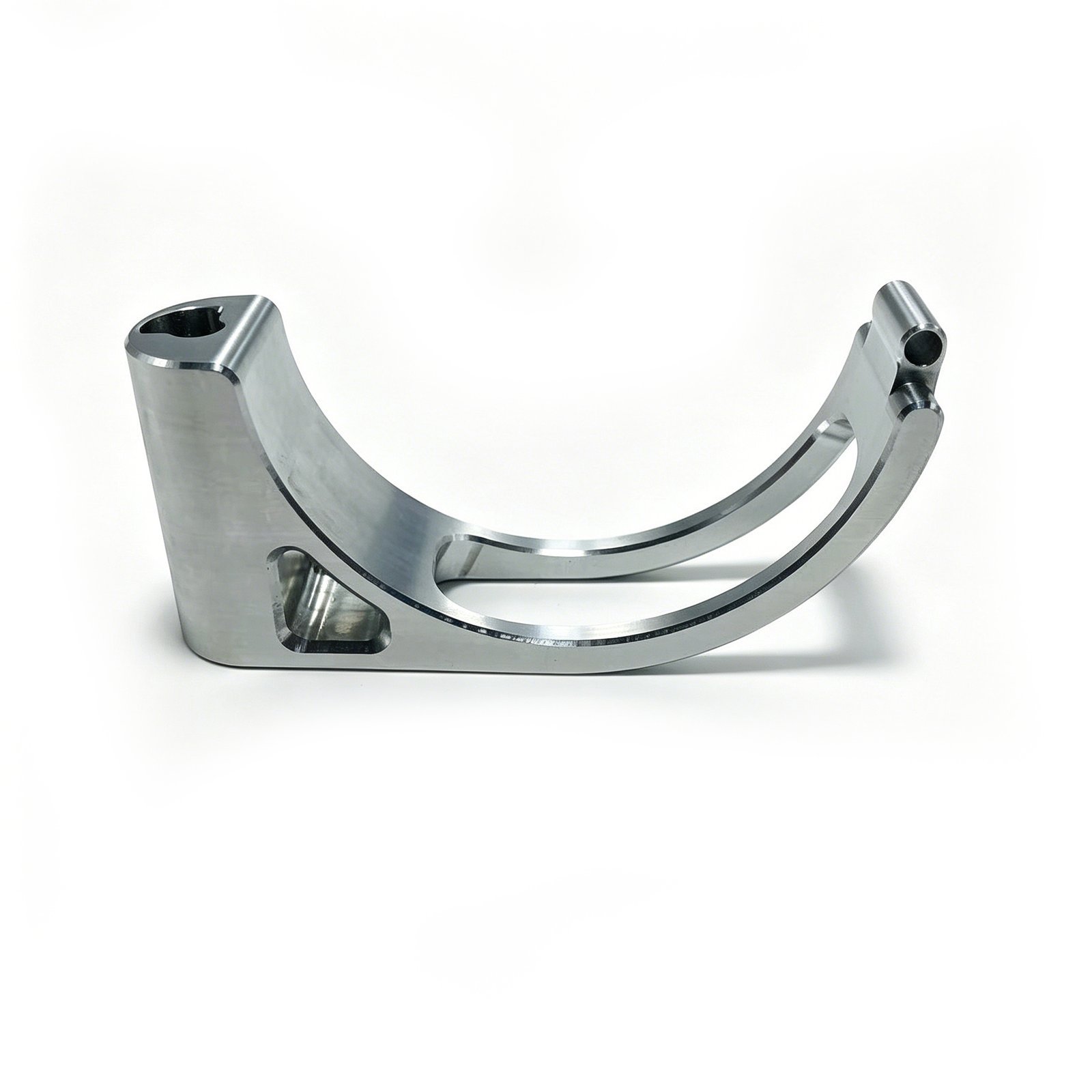
Milled
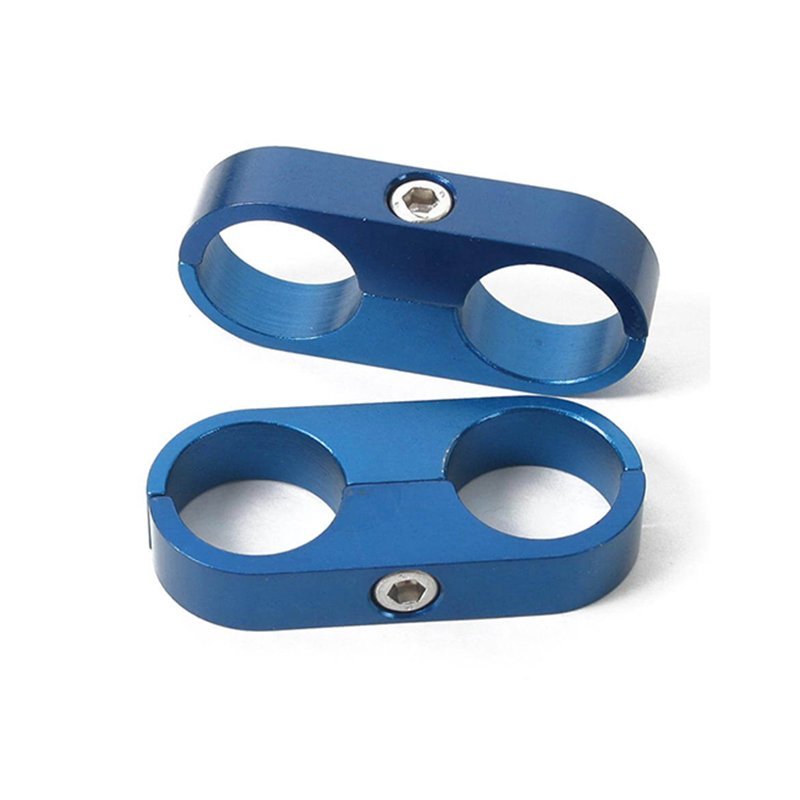
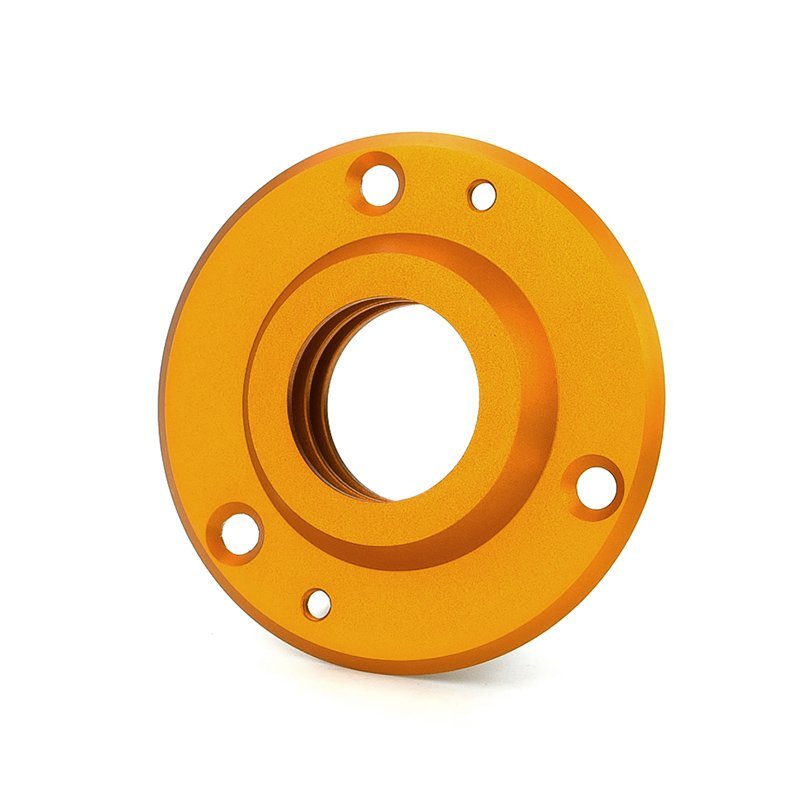
Housings, heat sinks, brackets, base plates and adapter plates — parts defined by pockets, profiles, machined faces and datum surfaces.
13 parts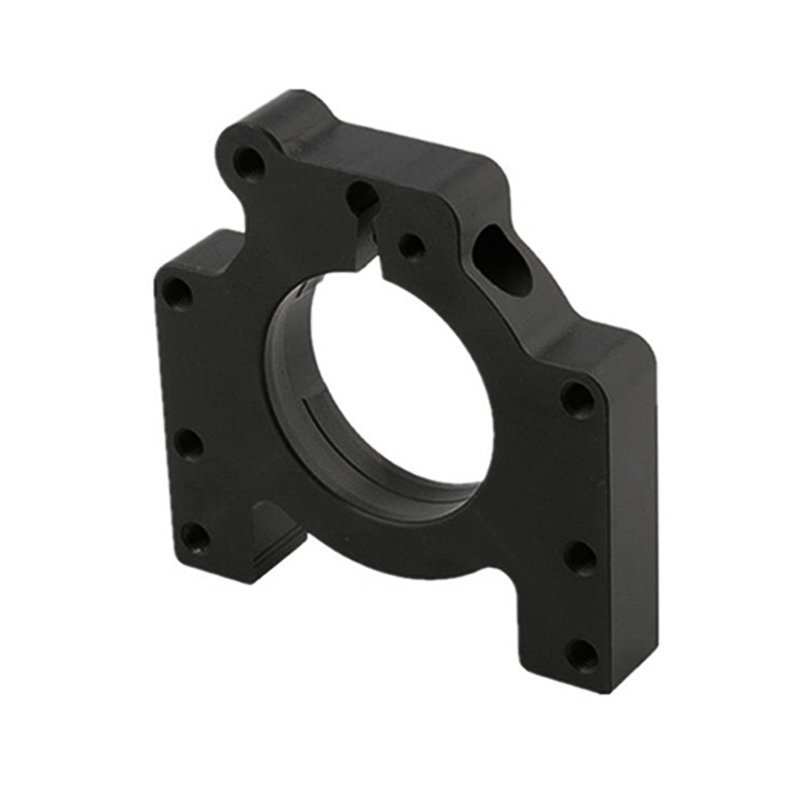
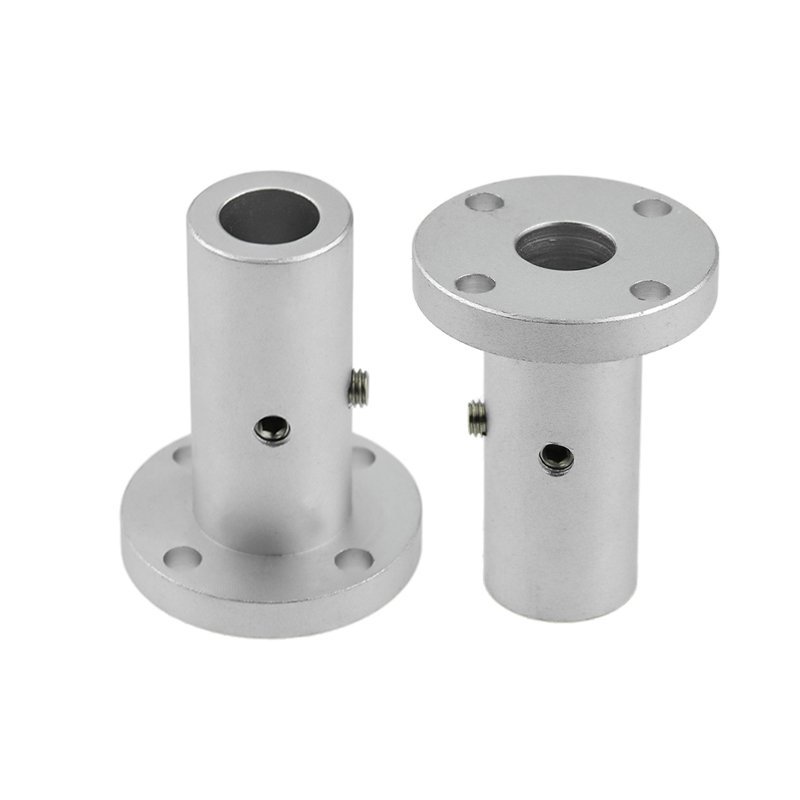
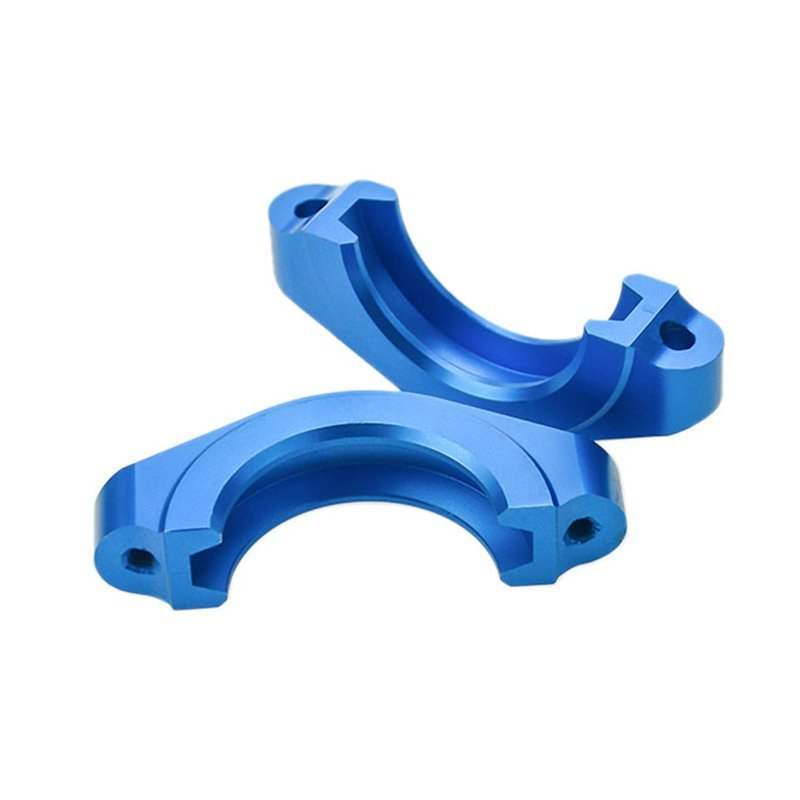

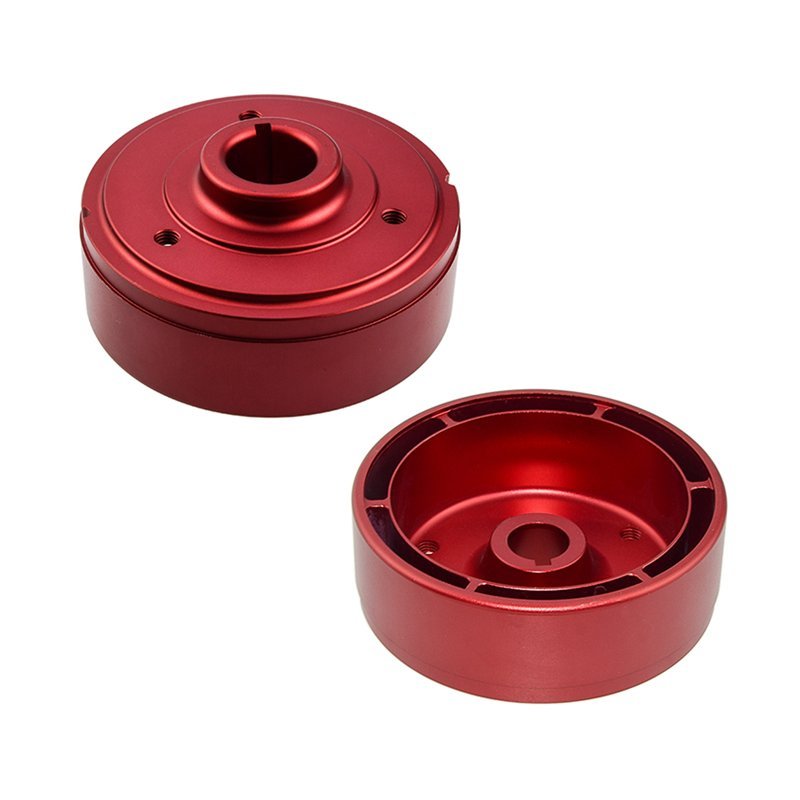

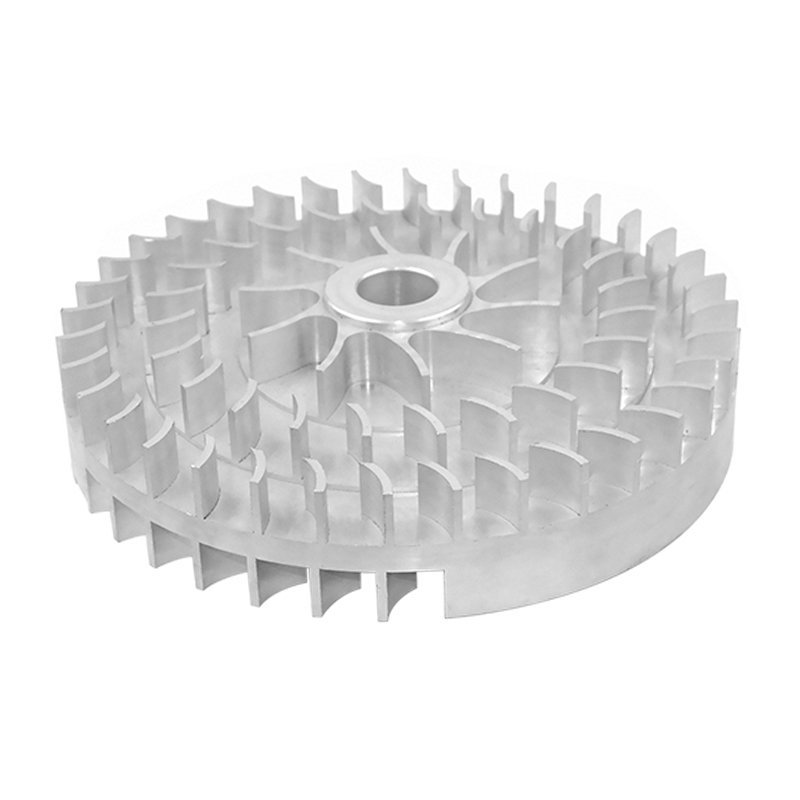
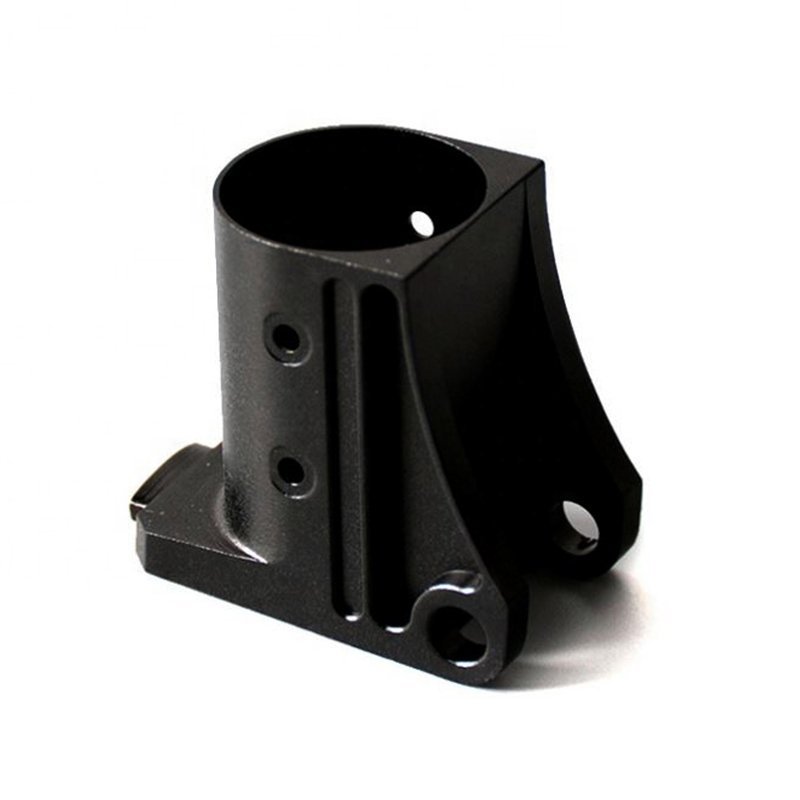
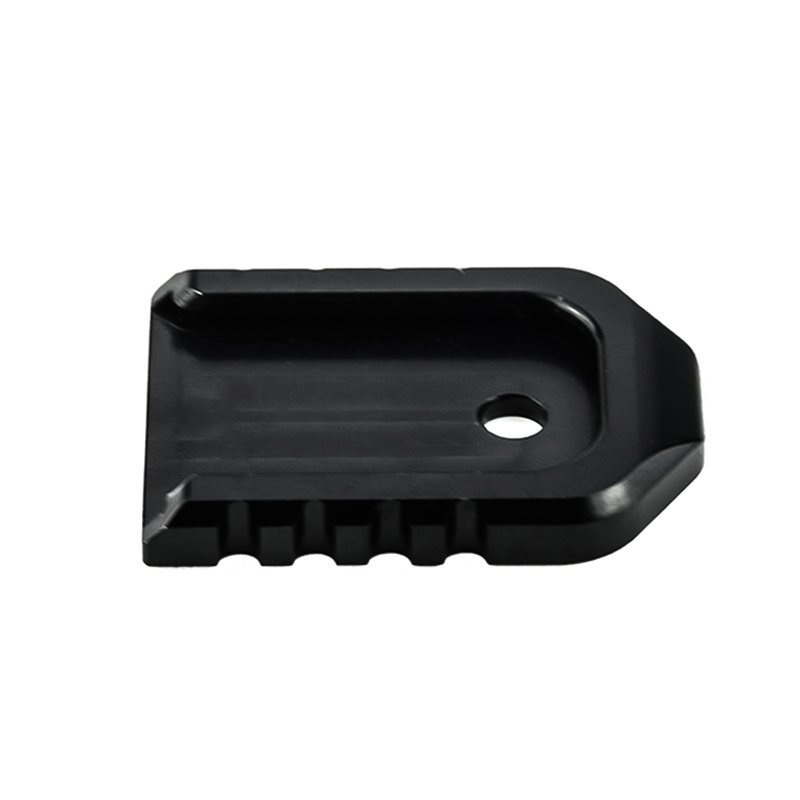
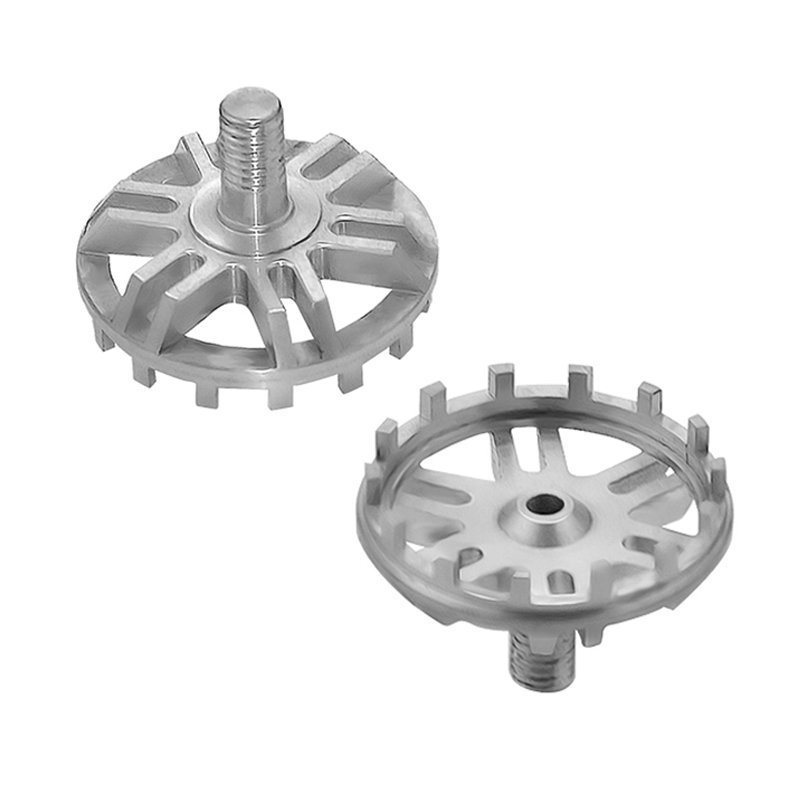
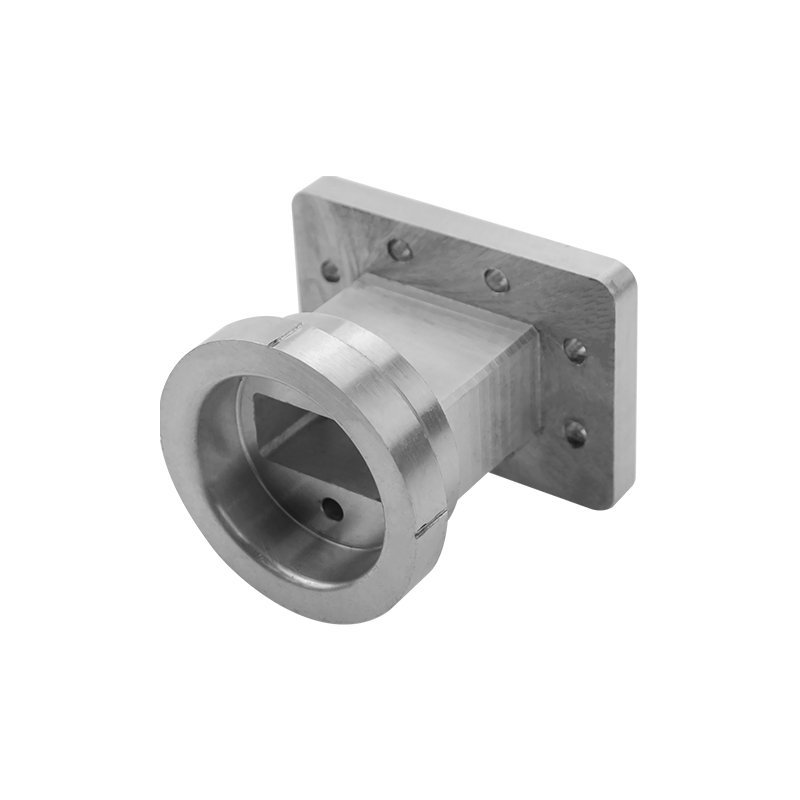
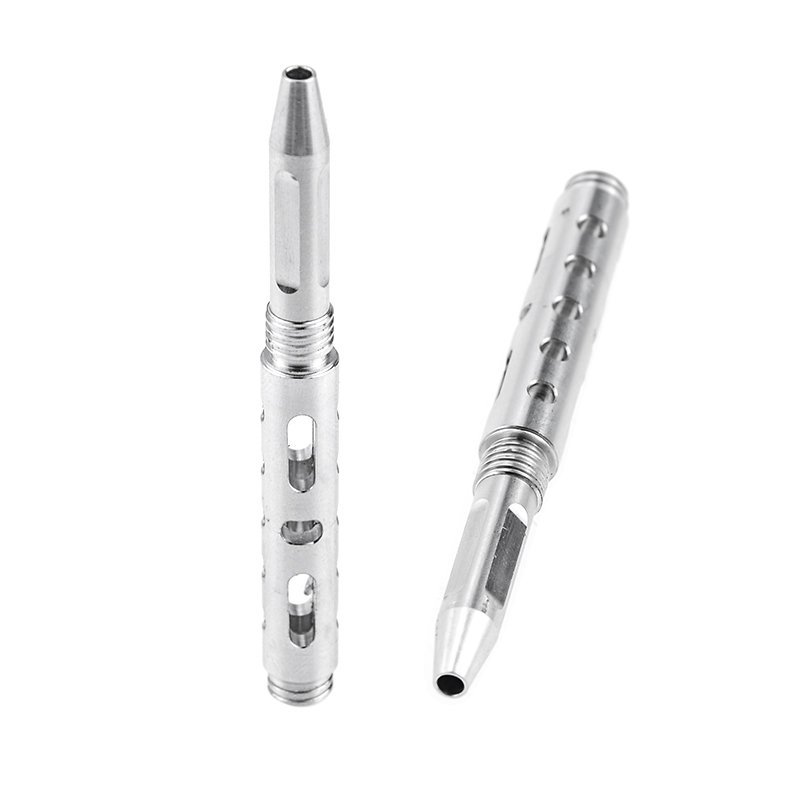
Turned
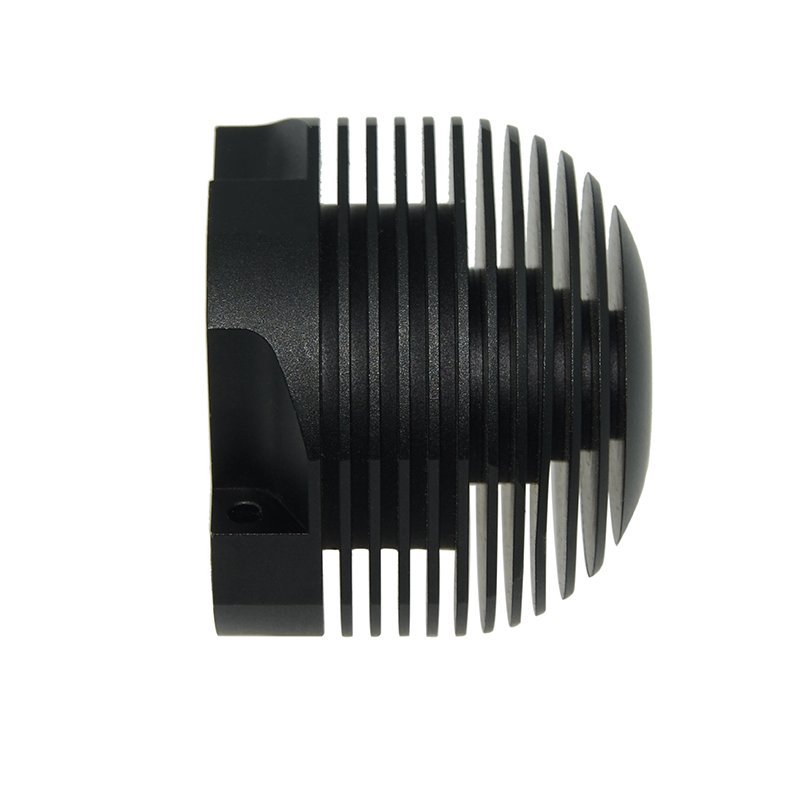
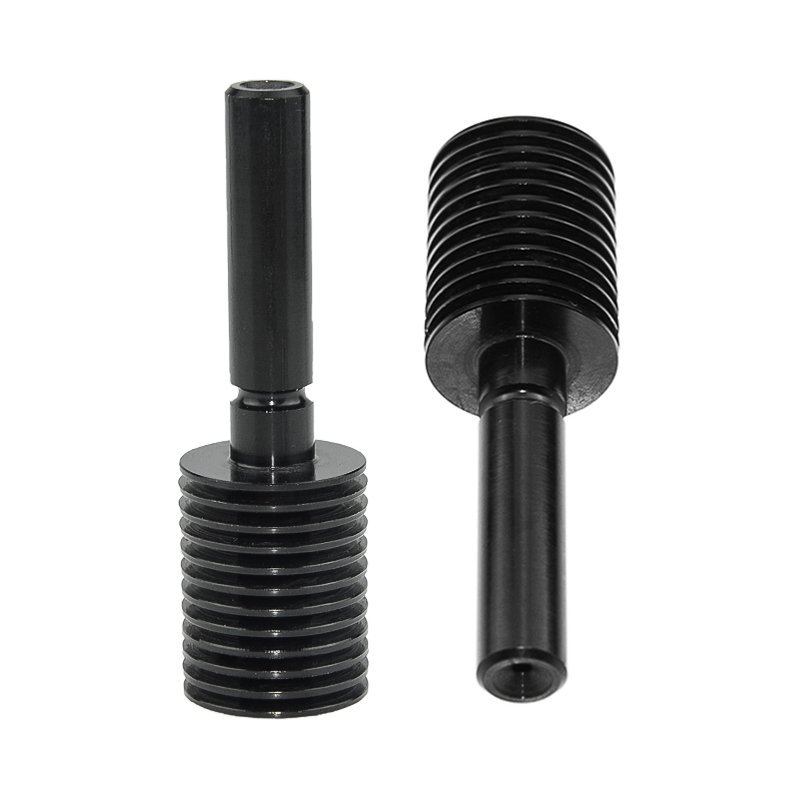
Spacers, screws, caps, nuts, connectors and shaft-like parts — parts defined by diameters, concentricity and thread quality.
11 parts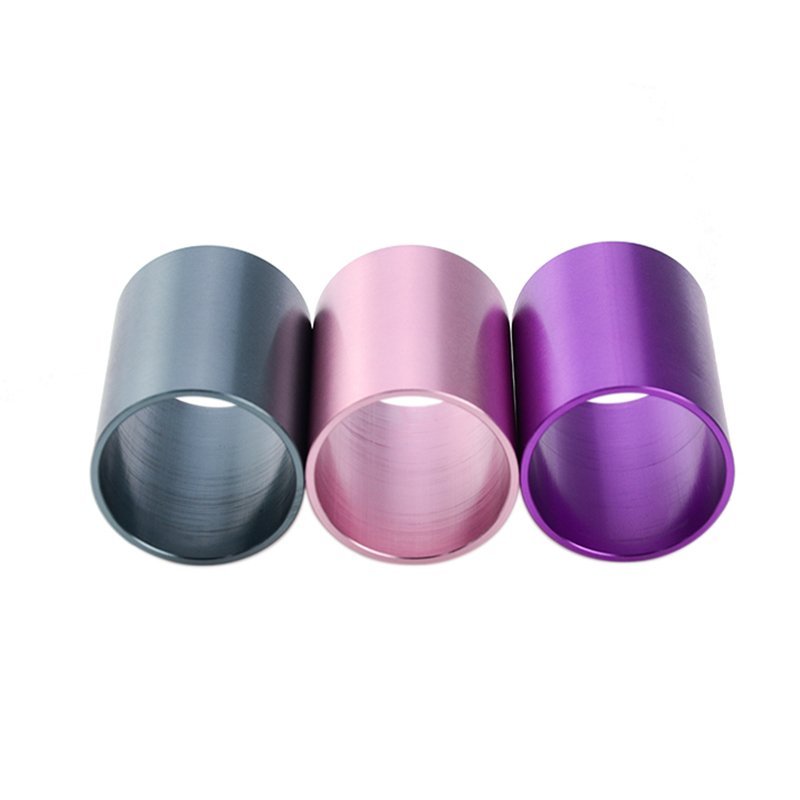






Drilled, bored and tapped
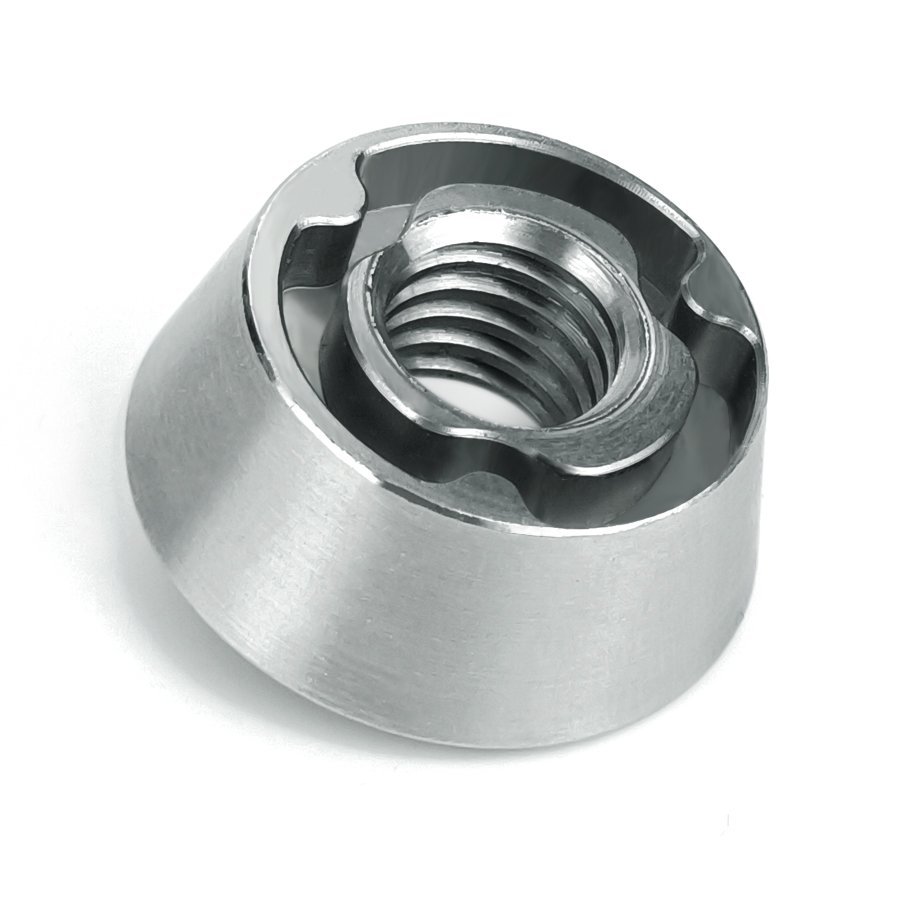
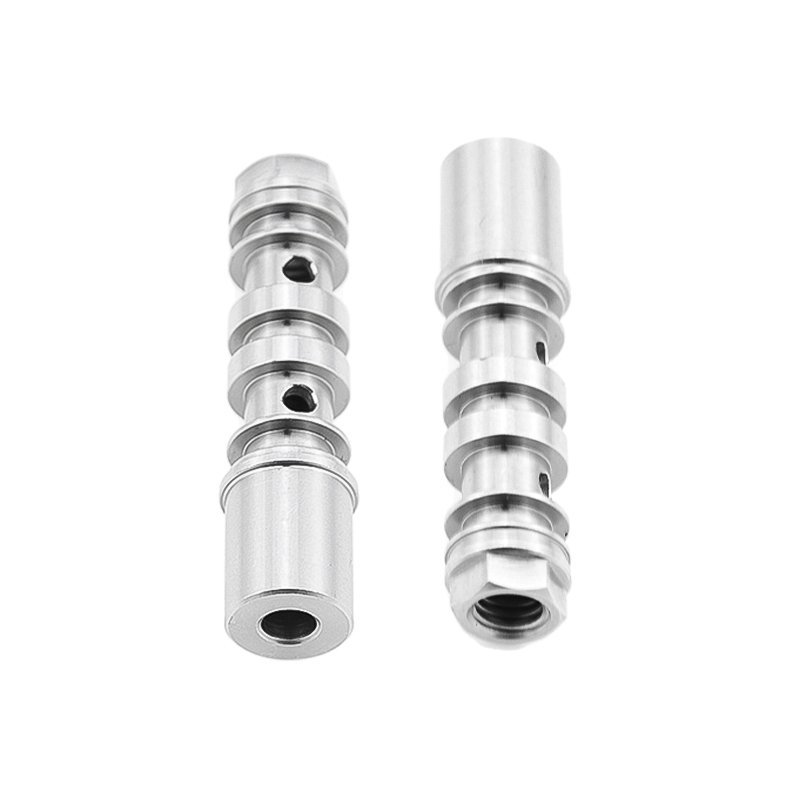
Drain plugs, filler flanges, valve bodies and fluid connectors — parts where the hole, the seat and the thread are the function.
8 parts


Assemblies and machined castings
Aluminium components finished and fitted together, and cast blanks brought to final dimensions on the machine.
2 parts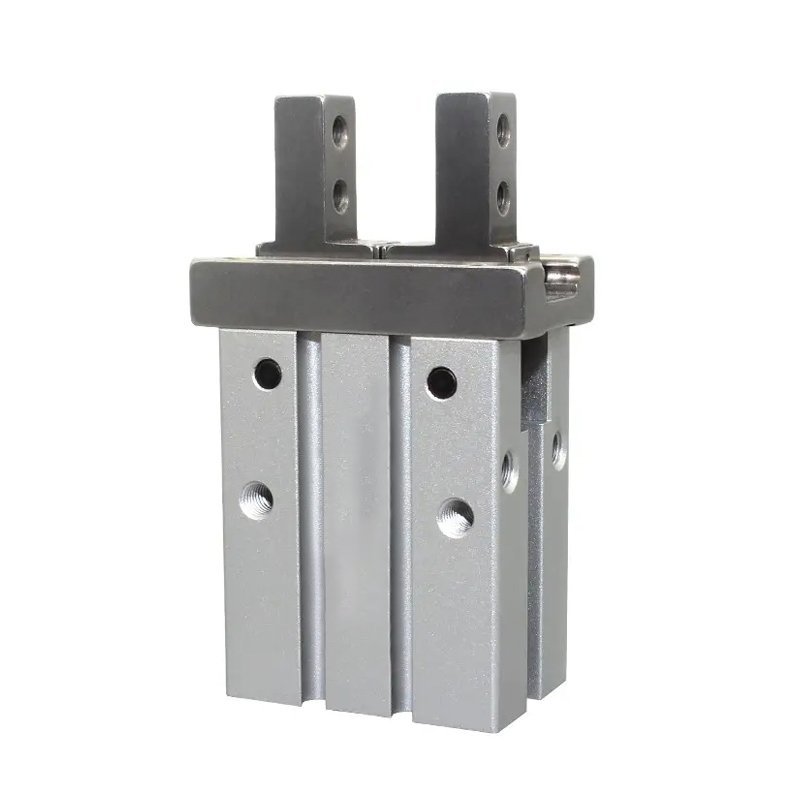

Which aluminium,
and what it costs you.
Grade choice changes machinability, finish quality and price — not just strength. If your drawing does not name a grade, we will propose one with the quote and say why.
Longer read: How to choose aluminium grades for CNC machined parts · 6061 vs 7075
Finishing changes
the size of the part.
Say so on the drawing. Anodising grows roughly half its thickness per surface, so a bore toleranced before treatment is not in tolerance after it — we flag this at quotation rather than after the first article.
Finishing routes
What to tell us
The full method — standards, types, classes, thickness build-up and masking — is written up in our specification library.
Read the guide →What we can hold
on an aluminium part.
Published on the page so you can rule us in or out in thirty seconds. If a feature on your drawing sits outside it, we say so in the quote.
Machining envelope
Tolerance and finish
What we check before
we price an aluminium part.
Five questions decide most of the cost. Answering them in the RFQ usually removes a full round of emails.
Whether the part is primarily a milling job, a turning job, or a mixed-operation component — this sets the machine, the fixturing and half the price.
Alloy preference and stock form, against the strength, finish and corrosion behaviour the part actually needs in service.
Hole features, thread sizes, wall thickness and datum relationships — thin walls and deep pockets in aluminium drive cycle time more than overall size does.
Which surfaces are cosmetic, which are masked, and which dimensions must still hold after anodising.
Whether this is a sample-stage part or scheduled repeat production — the two are quoted and fixtured differently.
We publish how to specify
the features we machine.
Eighty articles written by the people who cut the parts. These are the ones that matter most on an aluminium drawing.
Send the drawing.
Six things let us quote an aluminium part without a round of questions. Miss one and we will ask — but the quote takes a day longer.
- 3D model STEP / IGES
- Dimensioned drawing PDF
- Alloy and temper or ask us
- Quantity, and repeat volume required
- Critical tolerances and datums if any
- Anodise colour and masking if any