
Engineering Plastic Machining
Malaysia-based CNC machining in POM, nylon, PEEK, PTFE, UHMW and the rest — housings, fittings, gears, rollers, bushings and insulators. Turned and milled from solid stock, not moulded, so one part costs the same per piece as a thousand.

What we actually cut
in plastic.
All twenty-seven engineering-plastic parts in our catalogue, grouped by what the part does. Every one was machined from solid stock on our own machines and has its own page — find the one closest to yours, it is the fastest way to tell whether we are the right shop.
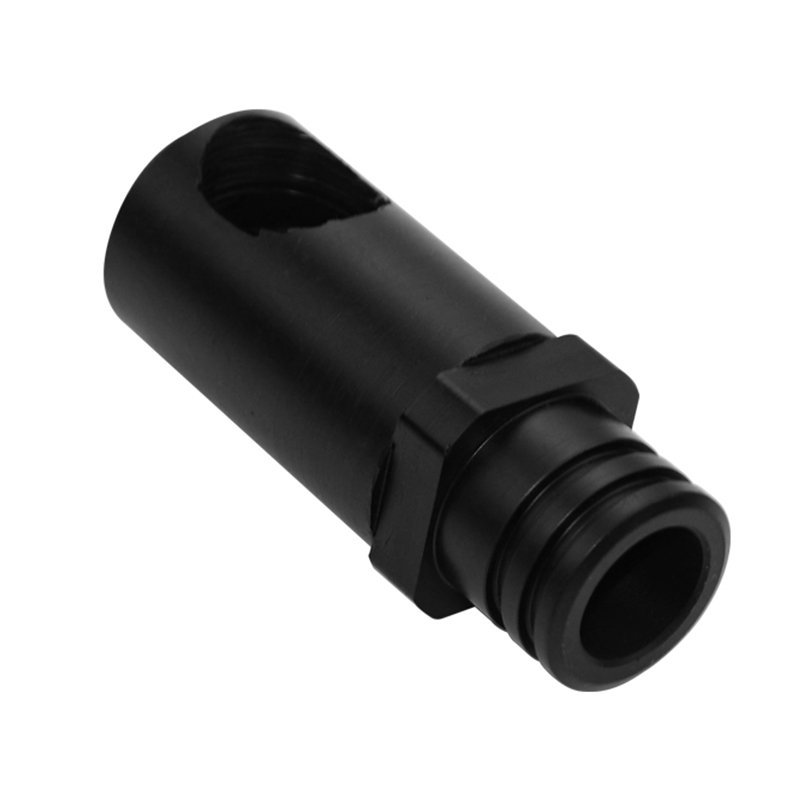
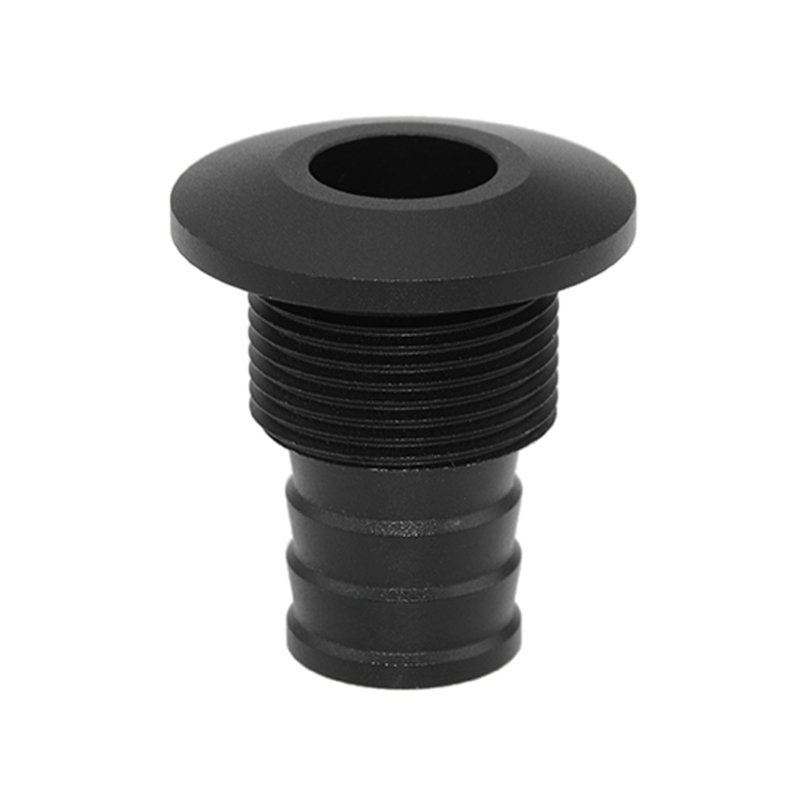
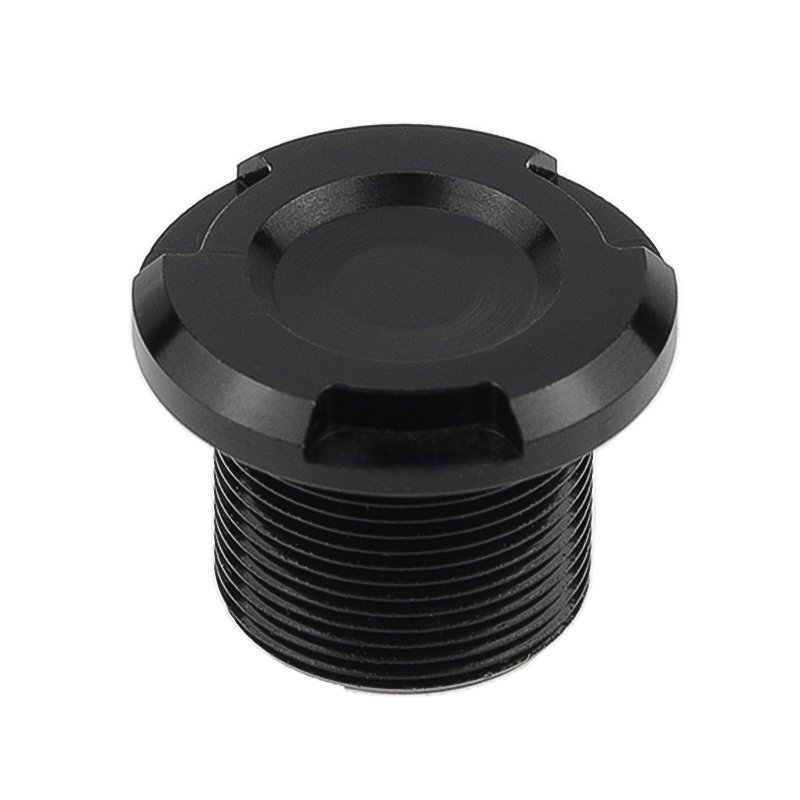
Fittings, glands and threaded adapters
Flanges, hose fittings, cable glands, union nuts and threaded adapters — parts that join something to something else and usually have to seal.
10 parts

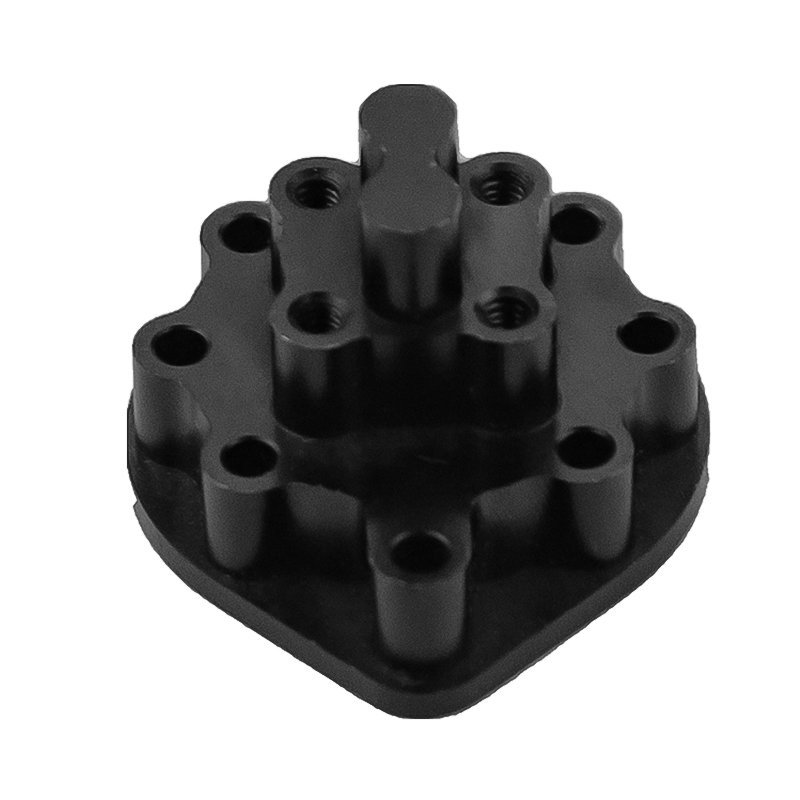



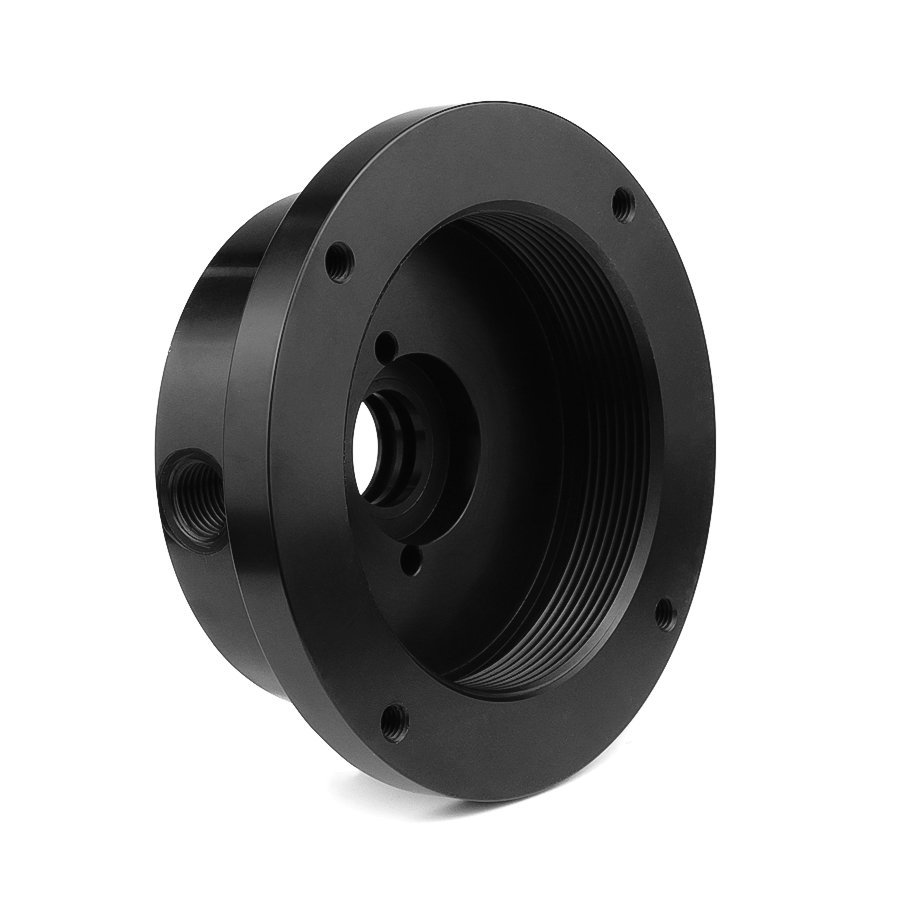
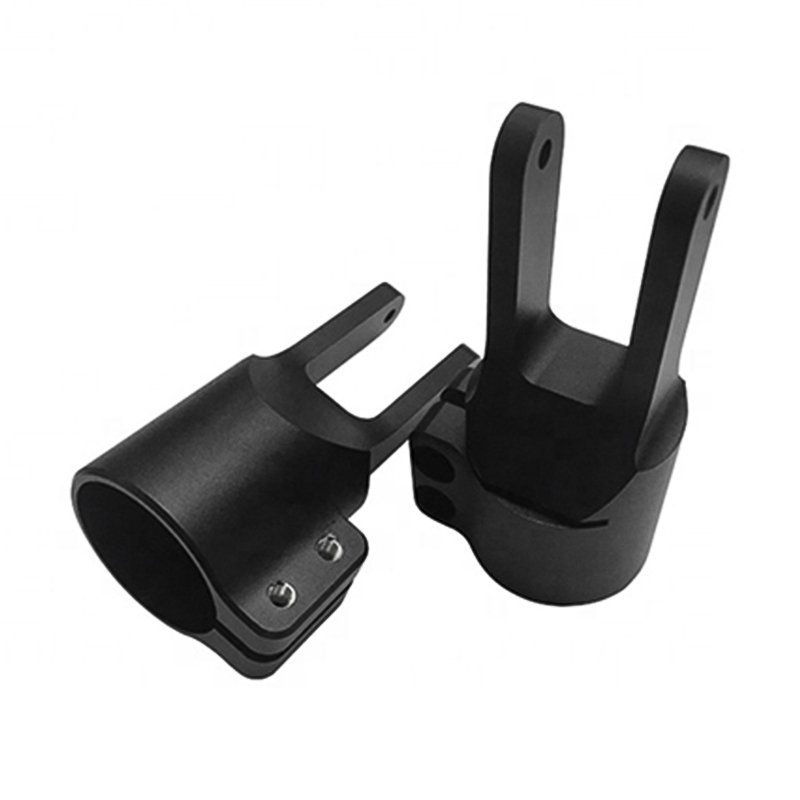
Housings, covers and mounting parts
Pump and equipment housings, adapter plates, clamps and risers — milled parts defined by pockets, profiles and mounting hole patterns.
6 parts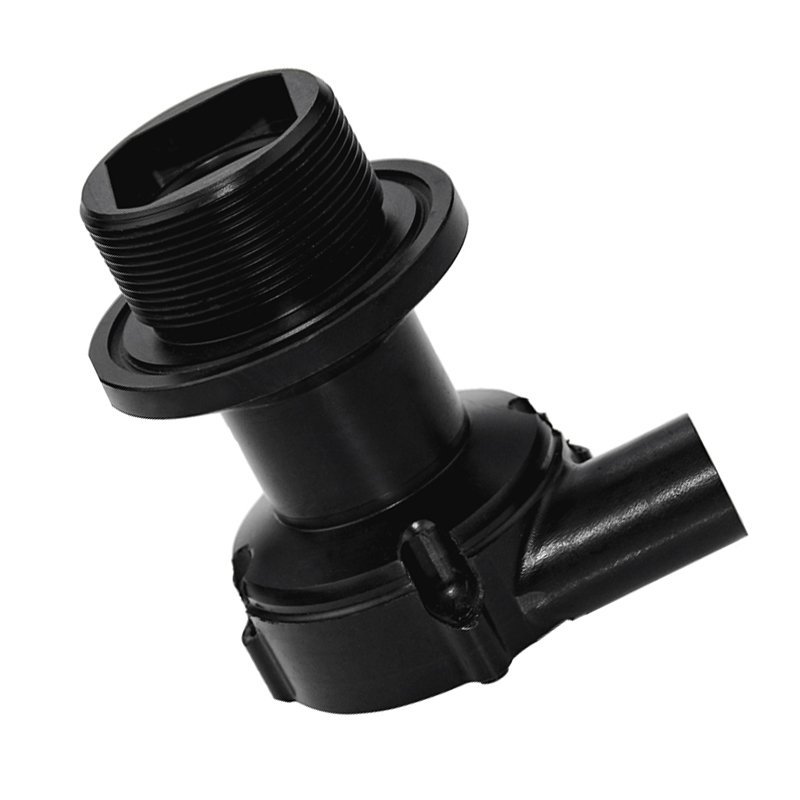

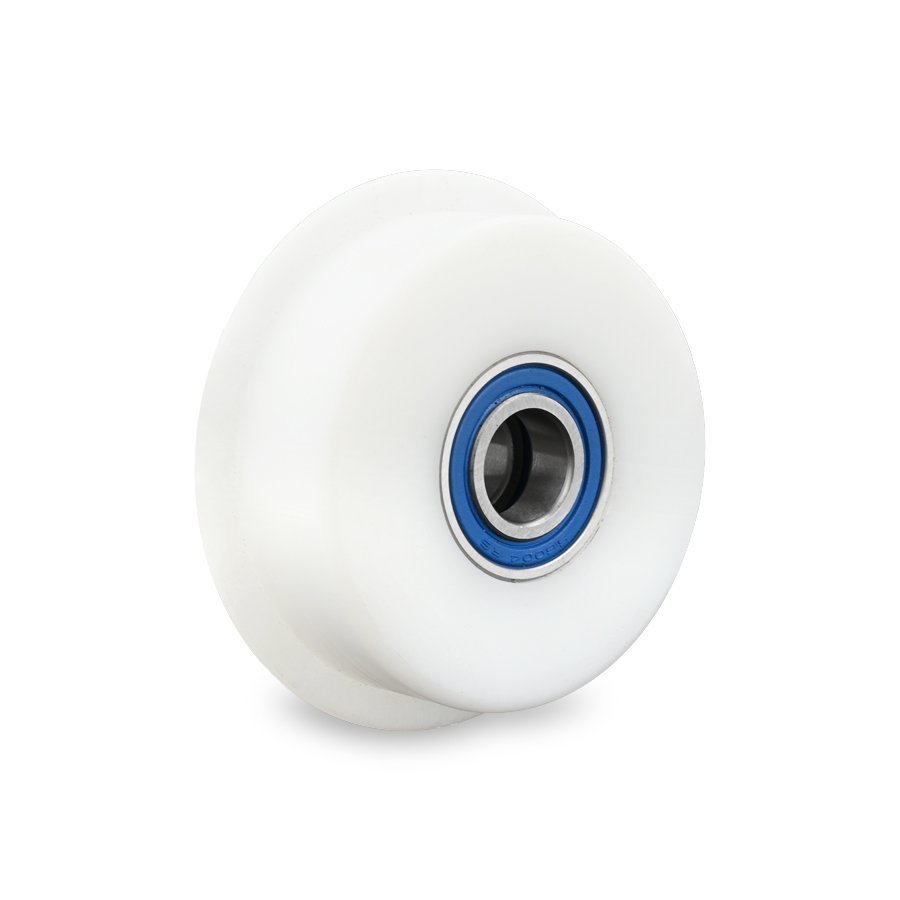
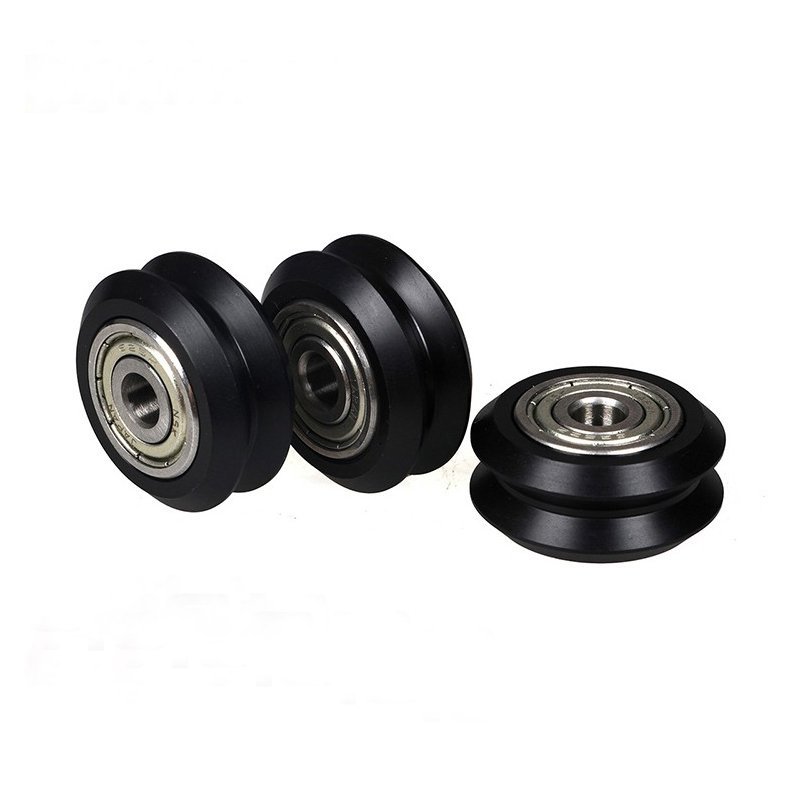
Gears, rollers and moving parts
Gears, pulley wheels, sliders and balancers — parts where the plastic is chosen because it runs quietly, dry and without corroding.
6 parts

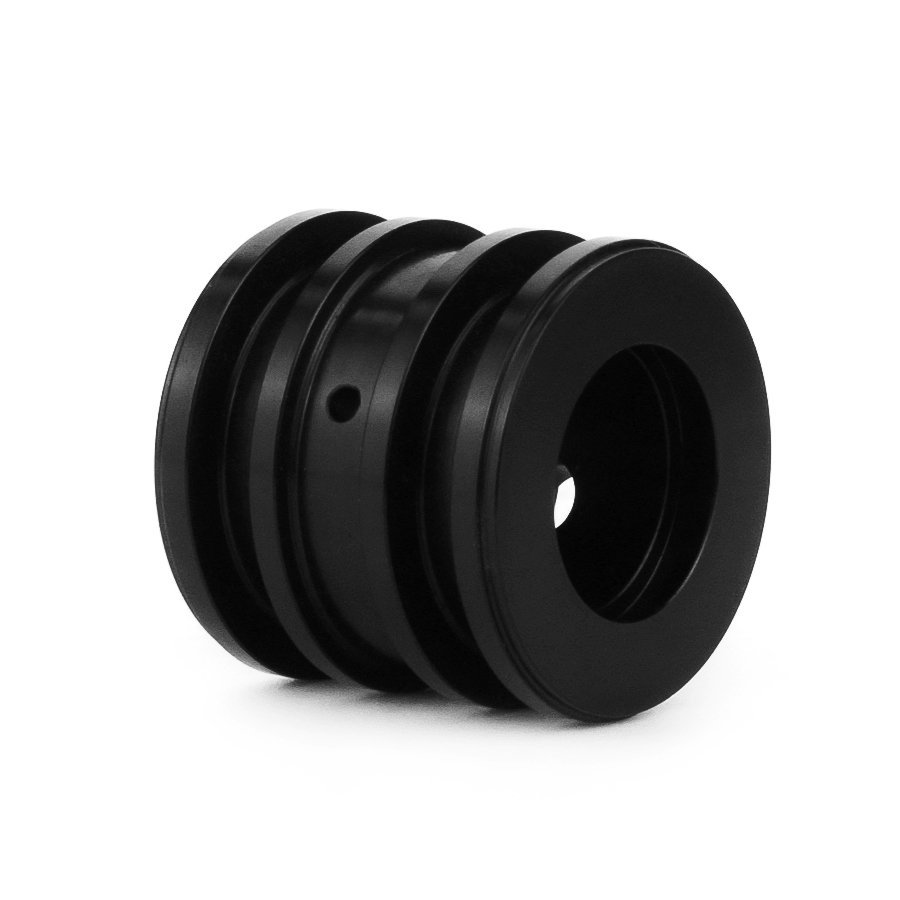

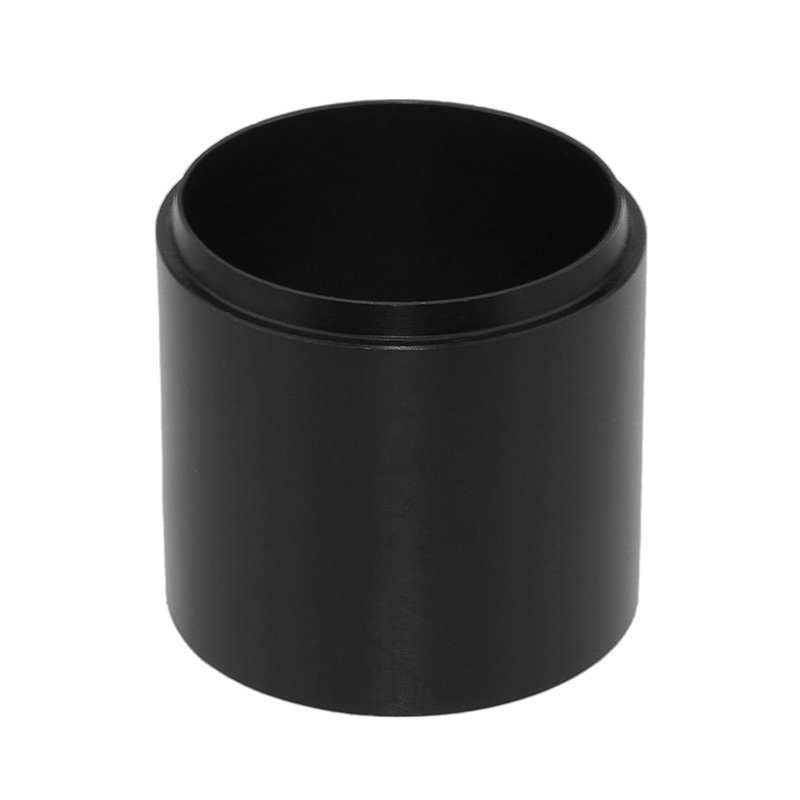
Bushings, collars and seals
Grommets, dust seals, shaft collars, lock nuts and locating rings — turned parts defined by a bore, a fit and a face.
5 parts


Which plastic,
and what it is good at.
Trade names hide more than they explain — “Delrin” is a brand of acetal and “nylon” is a whole family. Tell us what the part has to survive: load, temperature, chemicals, water, or an electrical requirement. We will name the grade in the quote.
Longer read: Engineering plastic machining: turning, milling, drilling and finishing
Plastic is not
soft metal.
Running a metal programme on a plastic billet is how parts come off the machine correct and measure wrong an hour later. Five things behave differently, and all five change what we can promise on a drawing.
It moves with temperature. Plastics expand several times more than aluminium and roughly ten times more than steel. A bore cut correctly while the part is warm from the tool can be undersize once it cools. On bearing seats and press fits we cut for the temperature the part will actually live at — so tell us what that is.
Nylon drinks water. Unfilled nylon takes up moisture from the air and grows as it does. A part measured dry in an air-conditioned inspection room is not the same part after a month in a Malaysian warehouse. If the tolerance is tight and the environment is humid, POM is usually the better answer.
It deflects in the chuck. A thin-walled bushing gripped like a steel one springs back out of round the moment it is released. Plastic needs soft jaws, spread load and light clamping — which costs setup time, and is why a simple plastic ring is not always cheaper than the same ring in brass.
The burrs are stringy, not sharp. Plastic does not break off cleanly the way metal does; it smears and trails. Deburring is a hand operation on most of these parts, and on parts with many cross-holes it is a real line on the quote rather than a rounding error.
Stock carries internal stress. Extruded rod and sheet are stressed from the day they are made. Cut deeply into one side and the part bows. For tight or thin parts we rough, let the material settle, then finish — an extra operation that is far cheaper than a warped batch.
Tolerance in plastic
is a conversation.
We would rather agree what is achievable before we cut than argue about it at inspection. Copying an aluminium tolerance block onto a nylon drawing is the single most common reason a plastic part gets rejected.
Tolerance and stability
What to tell us
Bearing seats, press fits and threaded holes all behave differently in plastic. Our specification library covers how to write them.
Read the guide →What we can hold
on a plastic part.
Published on the page so you can rule us in or out in thirty seconds. If a feature on your drawing sits outside it, we say so in the quote.
Machining envelope
Process and finish
We publish how to specify
the features we machine.
Eighty articles written by the people who cut the parts. These are the ones that matter most on a plastic drawing.
Send the drawing.
Six things let us quote a plastic part without a round of questions. Miss one and we will ask — but the quote takes a day longer.
- 3D model STEP / IGES
- Dimensioned drawing PDF
- Material, or what it must survive or ask us
- Quantity, and repeat volume required
- Operating temperature and environment important
- Which fits actually matter if any