Copper & Copper-Alloy CNC Machining
Malaysia-based brass, copper and bronze machining for fittings, valve bodies, manifolds, terminals, bushings and threaded connectors. Turning, milling, drilling, boring, tapping and plating — to your drawing, from first article through repeat production.
What we actually cut
in brass and copper.
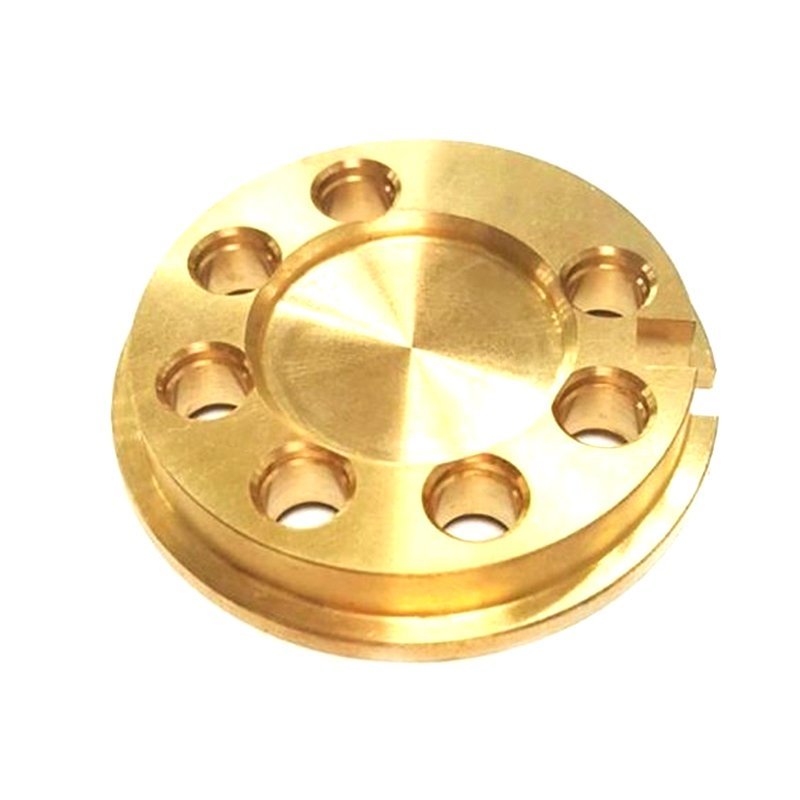
All thirty-two copper-alloy parts in our catalogue, grouped by what the part does rather than by alloy. Every one came off our machines and has its own page — find the one closest to yours, it is the fastest way to tell whether we are the right shop.
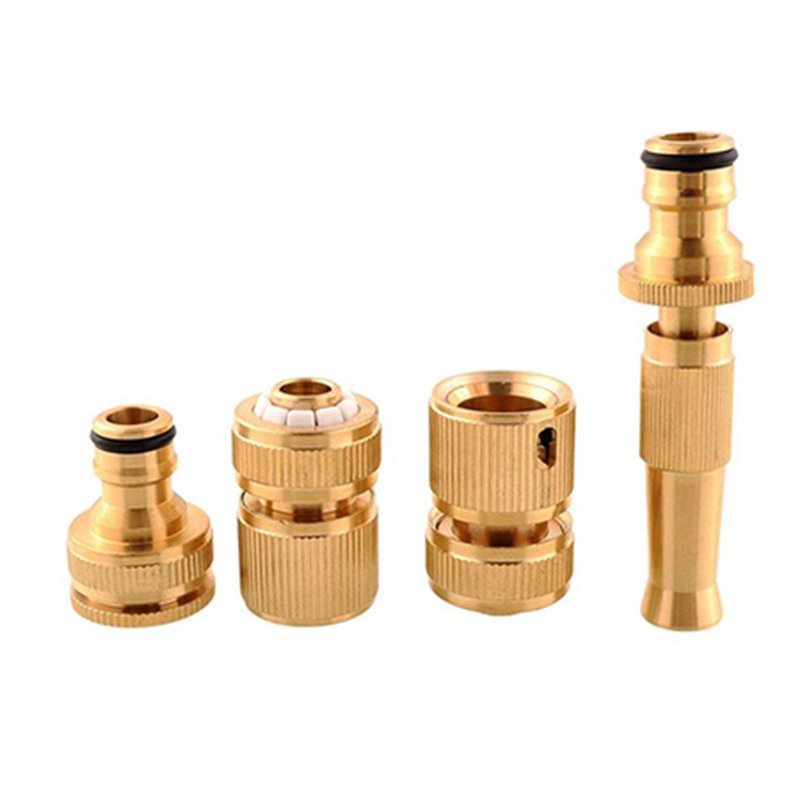
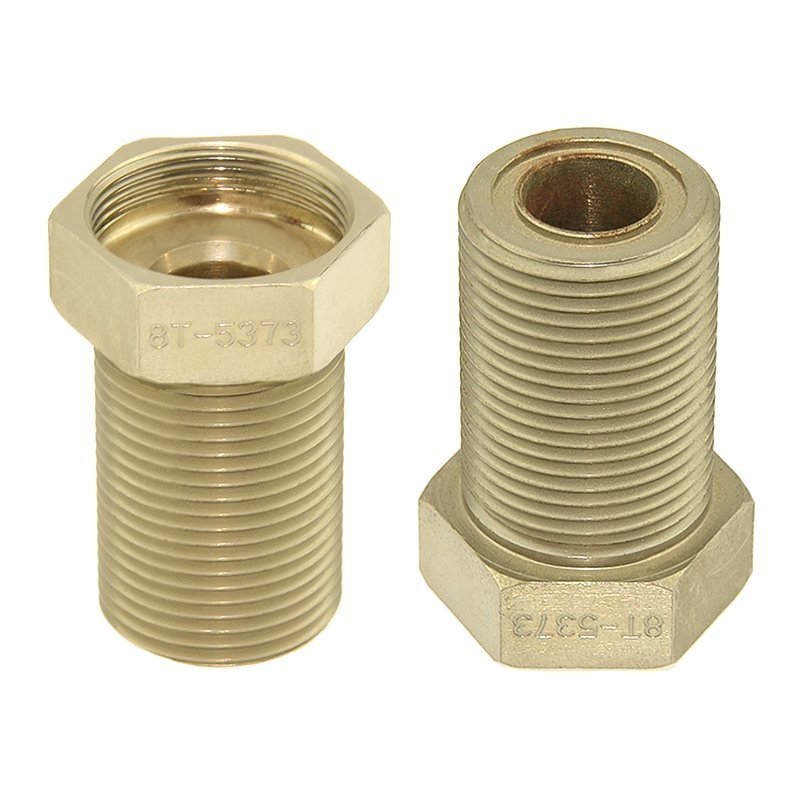
Fluid and gas fittings
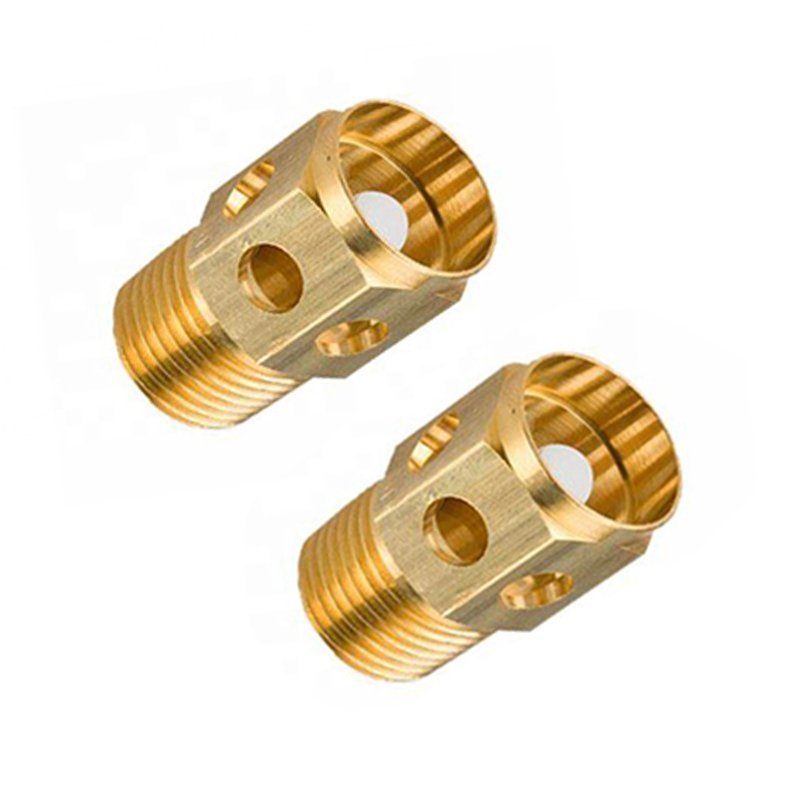
Hose and pipe adapters, nipples, tees, unions and threaded connectors — parts where the thread and the seat decide whether it holds pressure.
10 parts


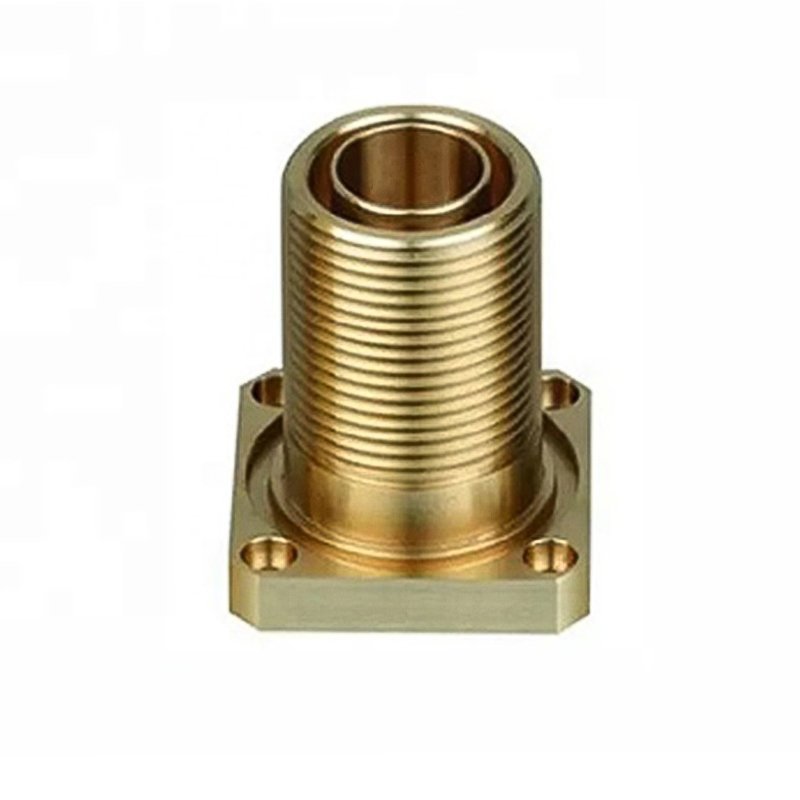




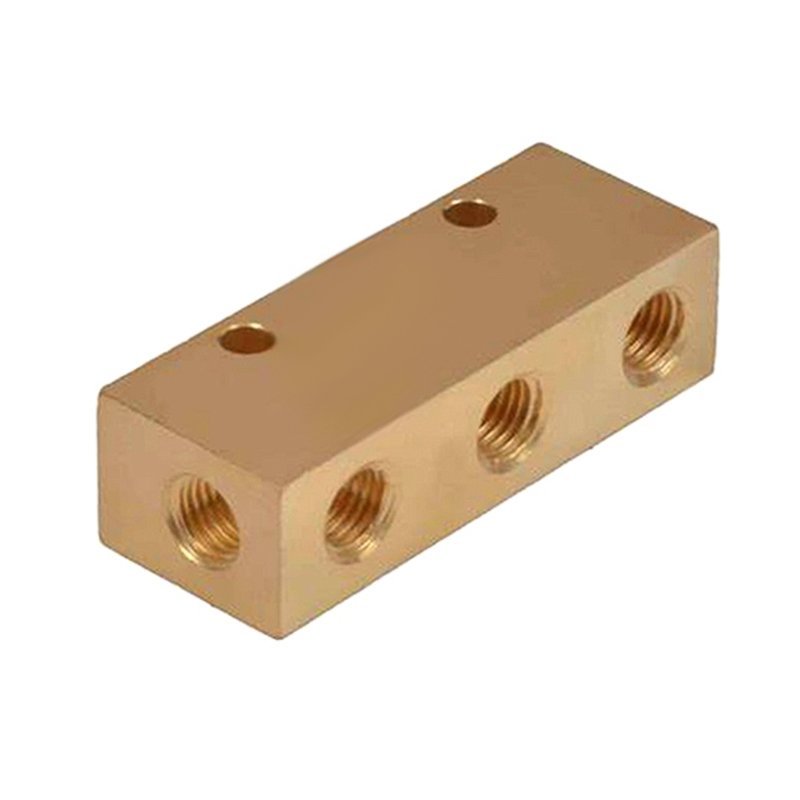
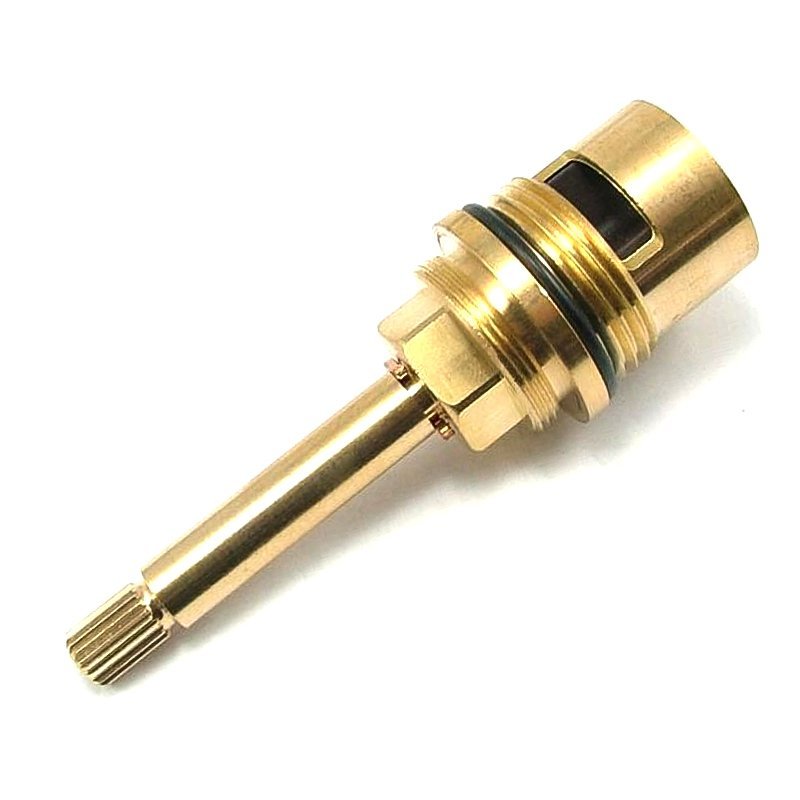
Valves, manifolds and flow control
Valve stems, cartridges, metering valves, distribution blocks and bodies — parts with internal passages, seats and moving fits.
6 parts

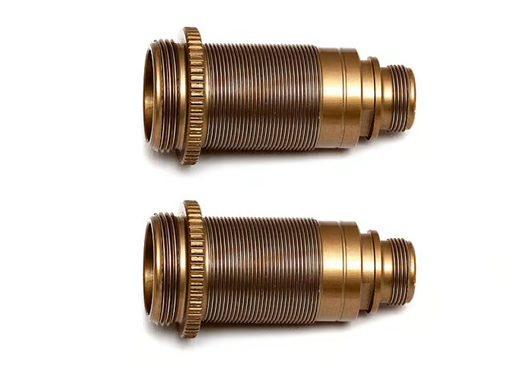
Electrical, thermal and optical
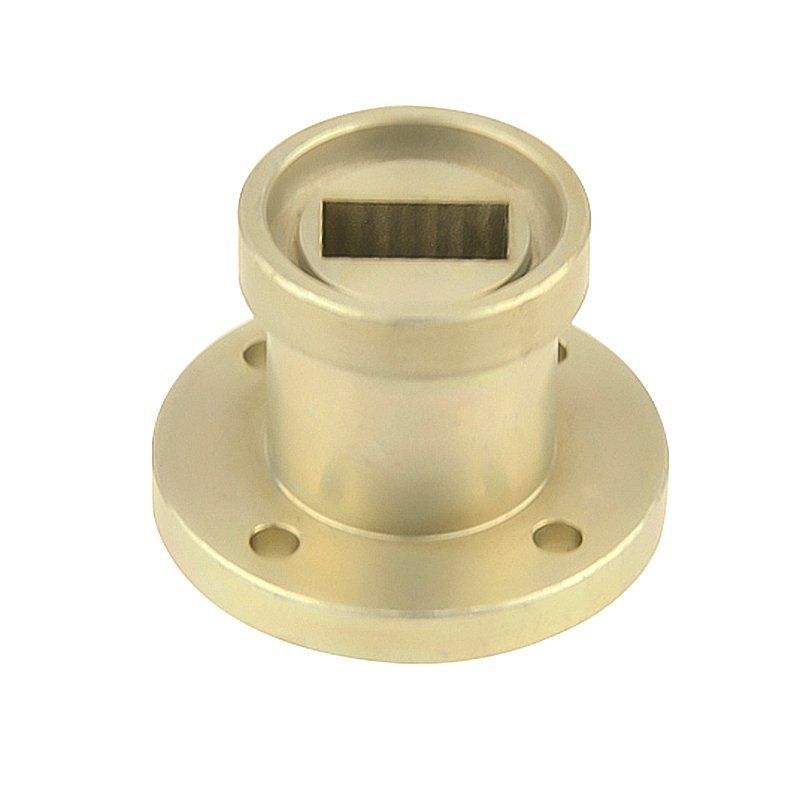
Plugs, wire joints, heating blocks, waveguide and optical hardware — parts chosen for copper’s conductivity rather than its machinability.
6 parts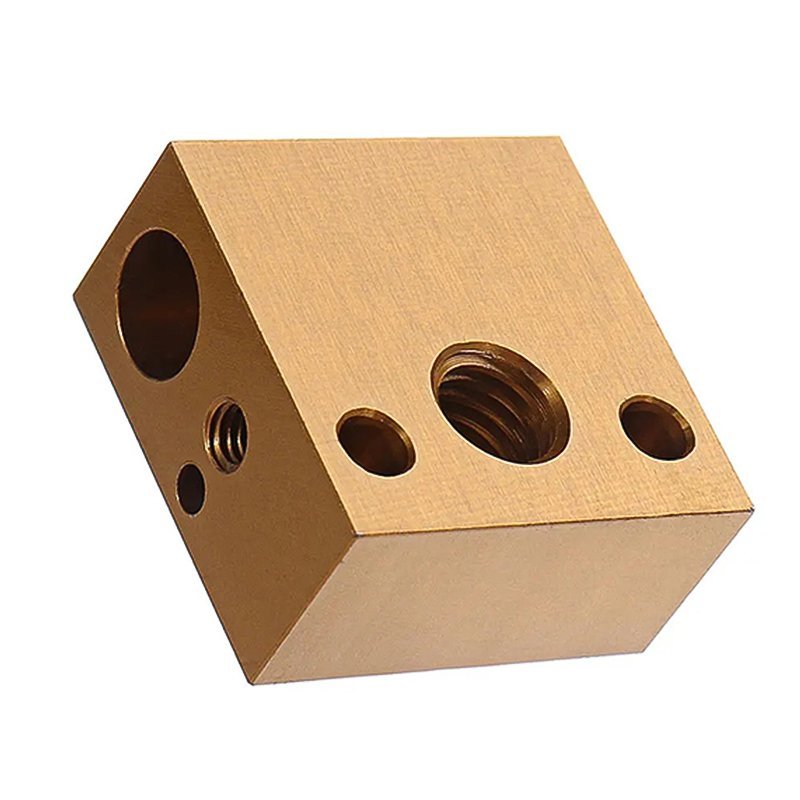

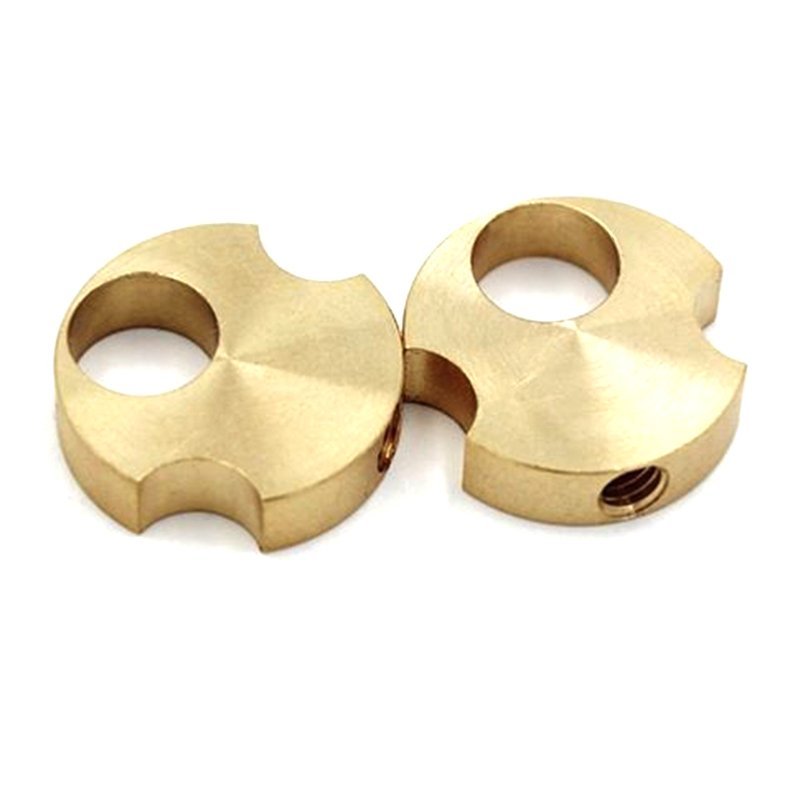
Threads, nuts, bushings and hardware
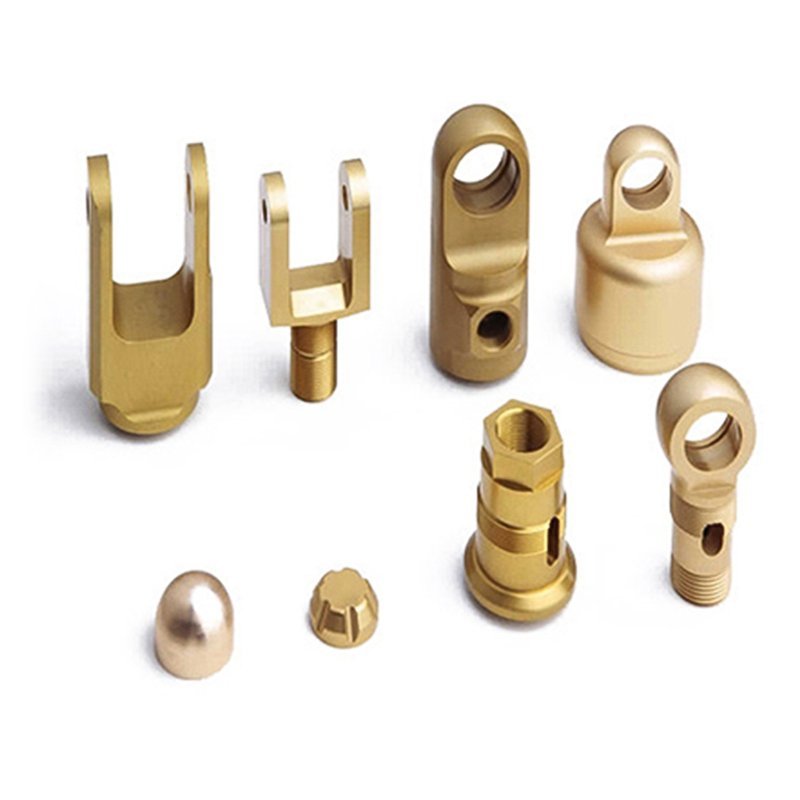
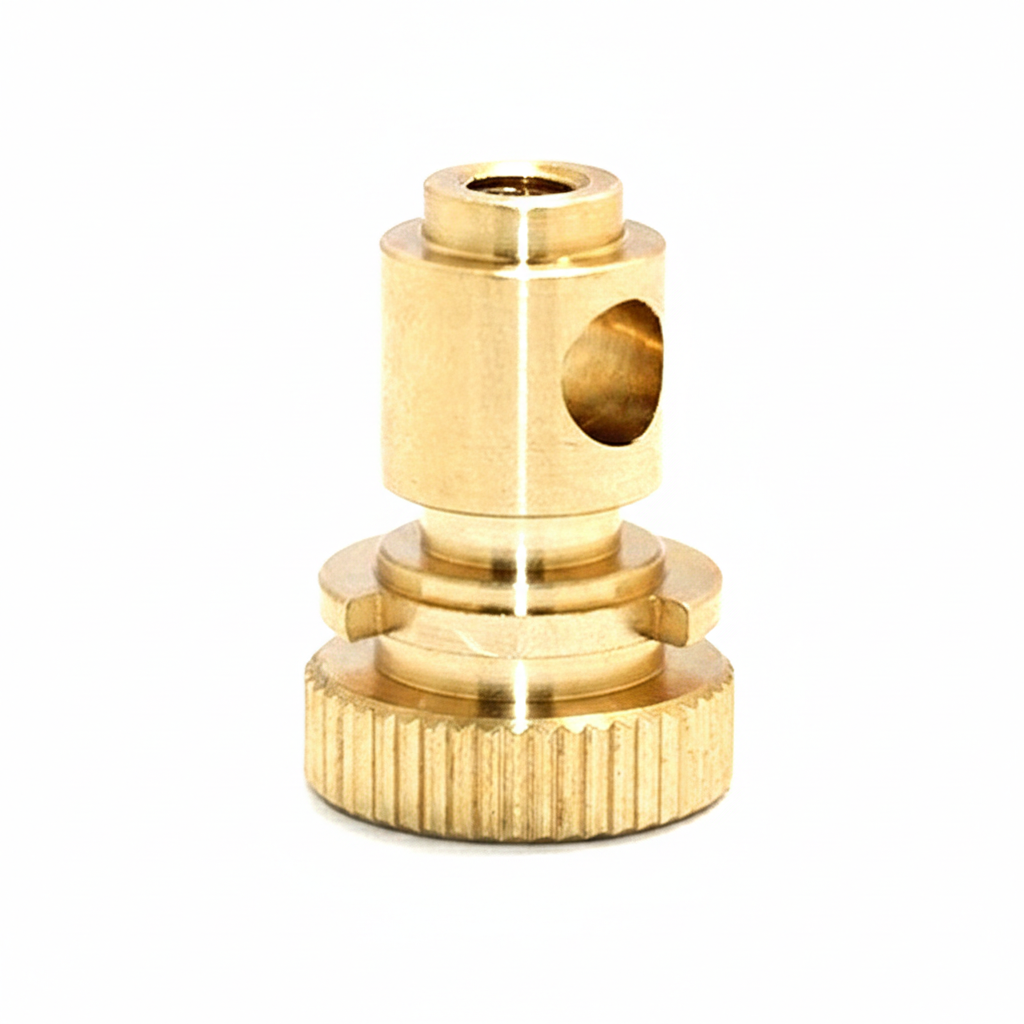
Lead-screw nuts, knurled knobs and thumb screws, flange bushings, clamps and turned detail — parts defined by thread form, knurl and fit.
10 parts




Which copper alloy,
and what it buys you.
“Copper part” covers three families that behave nothing alike on a machine. Brass is chosen for machinability and thread quality, pure copper for conductivity, bronze for wear. If your drawing does not name a grade, tell us what the part has to do and we will propose one with the quote.
Longer read: Choosing copper and copper-alloy grades for CNC machined parts
Brass is the easiest metal
we cut. Here is the catch.
A brass part is usually cheaper than the same drawing in aluminium, and much cheaper than in stainless. The money moves somewhere else instead — and four things on a copper drawing cost more than people expect.
It cuts like nothing else. Free-cutting brass sets the 100% mark on the machinability scale every other metal is rated against. Chips break short, tools last, threads come out clean off the tool. Cycle times are the shortest of anything we run.
The cost is in the bar, not the cycle. Brass costs several times more than aluminium by weight, and copper more again. On most brass parts the raw material is the biggest line on the quote — so bar diameter, wall thickness and how much you ask us to cut away matter more than shaving seconds off the program.
Pure copper is the opposite of brass. It is soft and gummy, smears rather than chipping, and throws a burr into every hole, thread and cross-drilling. Specify copper when the part genuinely needs the conductivity — not because it sits in the same family as brass.
Lead is a specification, not a detail. Standard free-cutting brass contains lead, which is exactly why it machines so cleanly. If the part touches drinking water or food, or falls under a lead limit in your market, we need to know before we buy bar — the substitute grades cut differently and price differently.
Brass does not stay bright. A polished part dulls within weeks and darkens over months. That is oxide, not corrosion, and it changes nothing mechanically — but if appearance matters on delivery or in service, say so and we will lacquer, plate or polish to a sample.
Most of these parts
have to seal.
Fittings, valve bodies, manifolds and connectors live or die on the thread and the seat, not on the outside profile. Two lines on your drawing — which thread standard, and how it seals — remove most of the questions we would otherwise have to ask.
Threads and sealing
Surface and appearance
Thread callouts, class of fit, tap-drill depth and how to write them on a drawing are covered in our specification library.
Read the guide →What we can hold
on a brass part.
Published on the page so you can rule us in or out in thirty seconds. If a feature on your drawing sits outside it, we say so in the quote.
Machining envelope
Tolerance and finish
We publish how to specify
the features we machine.
Eighty articles written by the people who cut the parts. These are the ones that matter most on a brass or copper drawing.
Send the drawing.
Six things let us quote a copper-alloy part without a round of questions. Miss one and we will ask — but the quote takes a day longer.
- 3D model STEP / IGES
- Dimensioned drawing PDF
- Alloy, or what the part must do or ask us
- Quantity, and repeat volume required
- Thread standard and how it seals if any
- Potable water or lead limit yes / no