Stainless Steel CNC Machining
Malaysia-based stainless machining for housings, valve blocks, manifolds, shafts, bushings and threaded fittings. Milling, turning, drilling, boring, tapping and passivation — to your drawing, from first article through repeat production.
What we actually cut
in stainless.
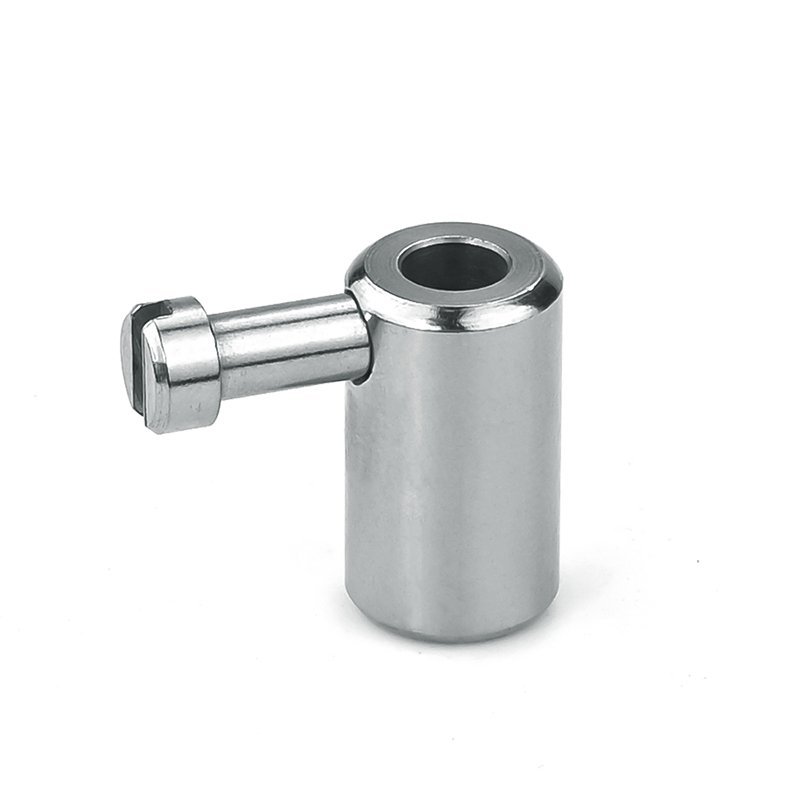
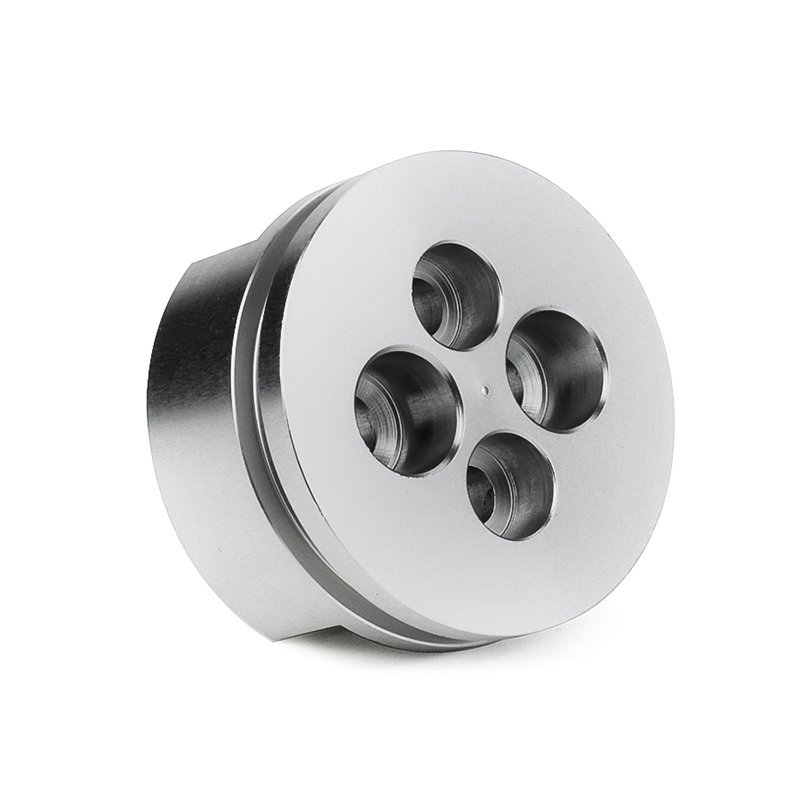
All twenty-seven stainless parts in our catalogue, grouped by the operation that defines them. Every one came off our machines and has its own page — find the one closest to yours, it is the fastest way to tell whether we are the right shop.
Turned
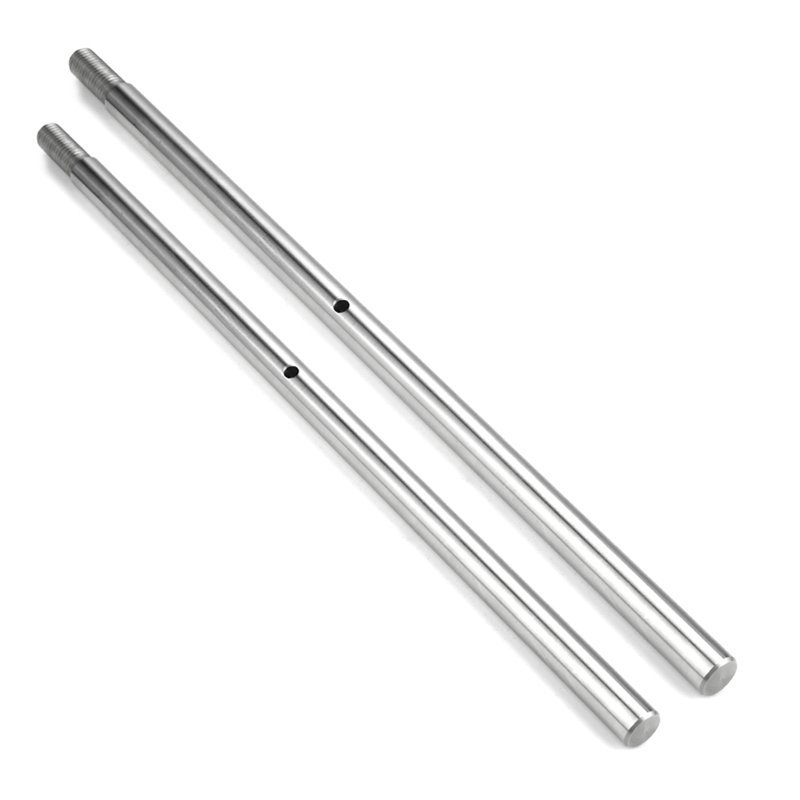
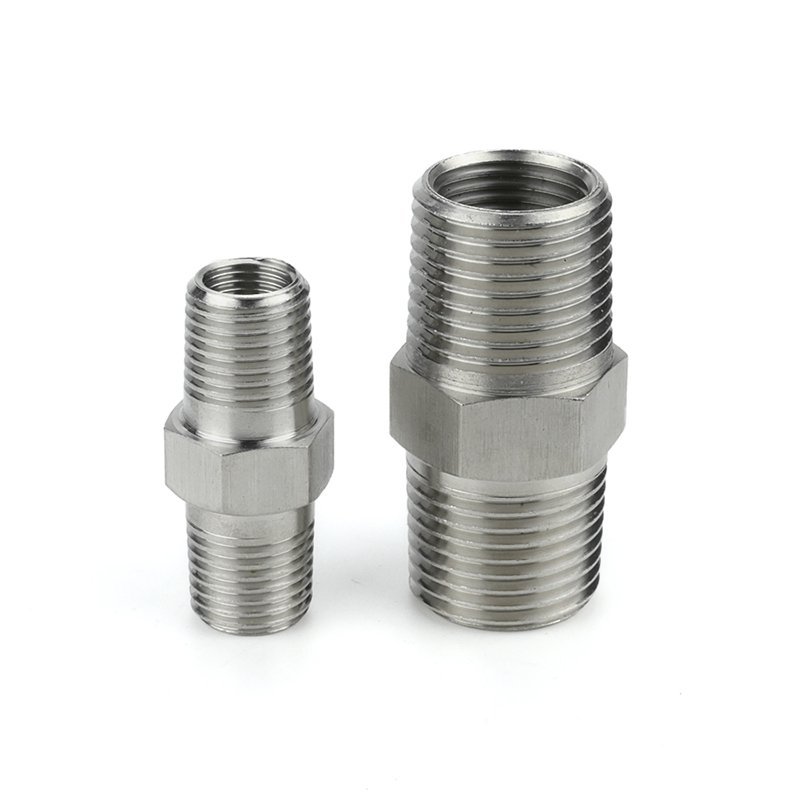
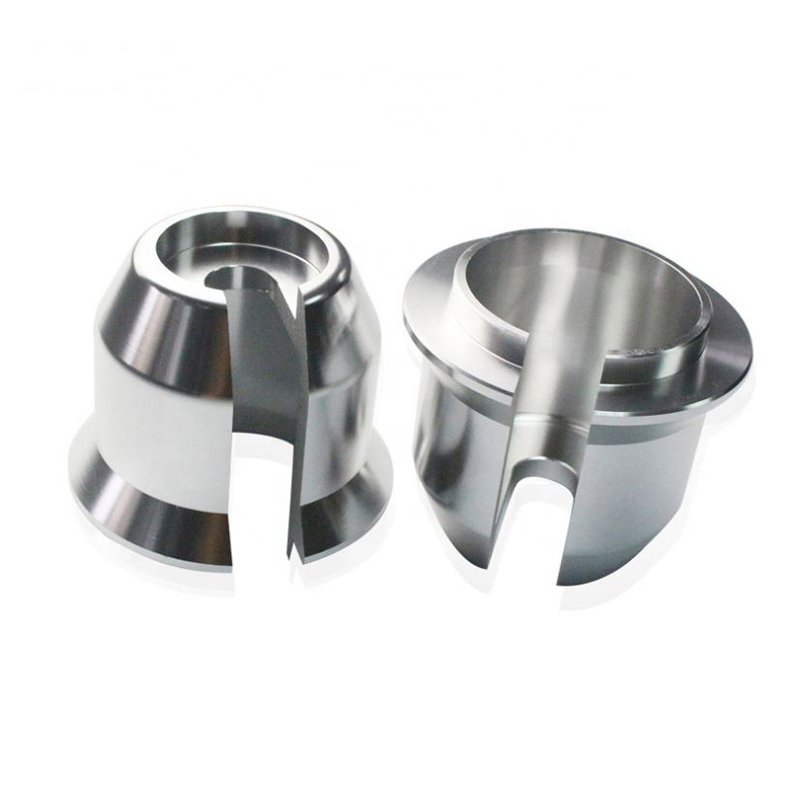
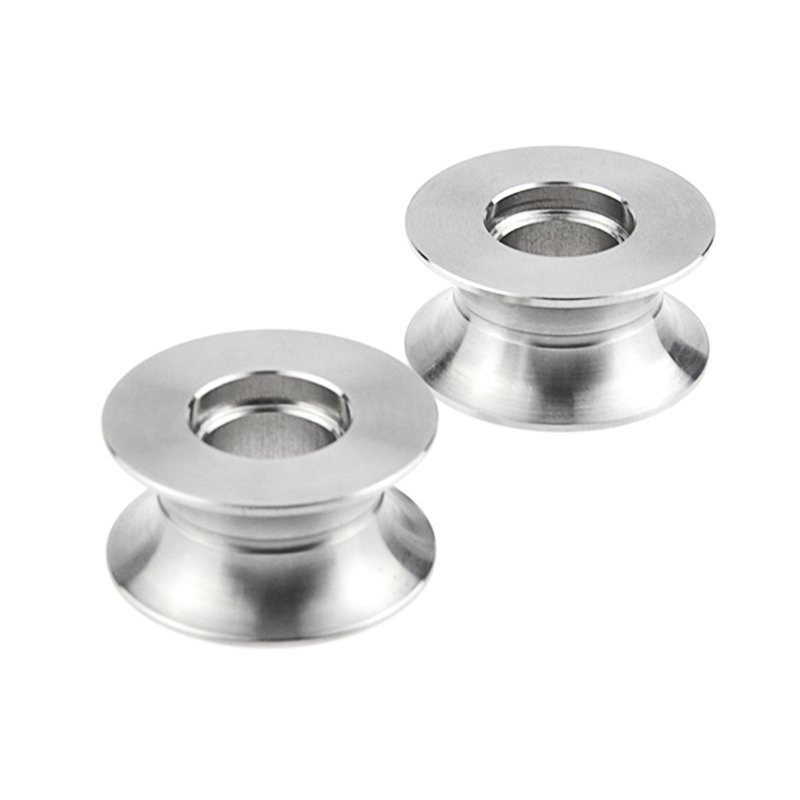
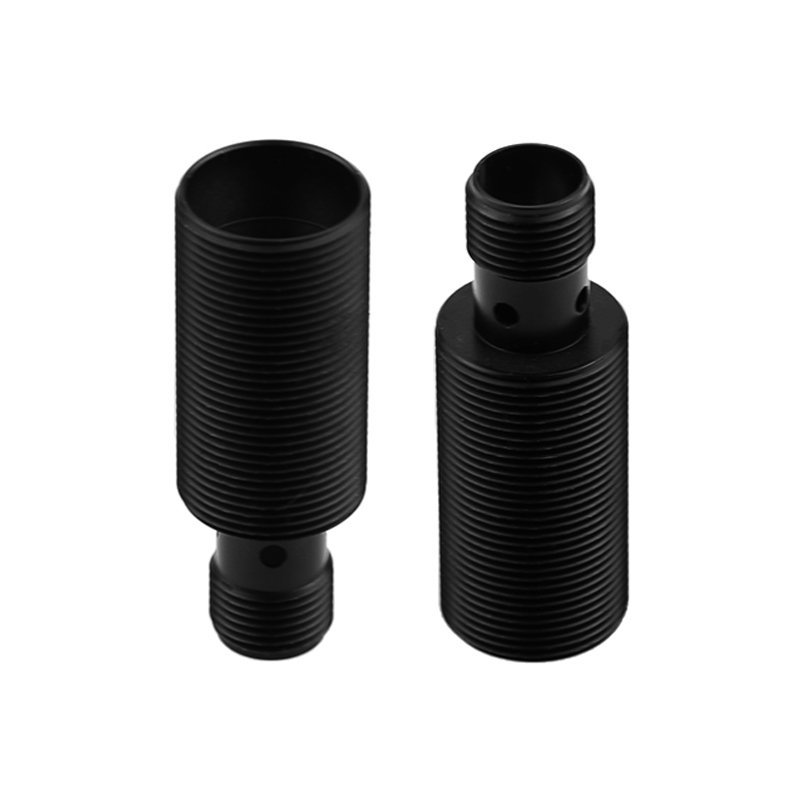
Shafts, studs, nipples, nuts, pulleys and threaded fittings — parts defined by diameters, concentricity and thread quality.
11 parts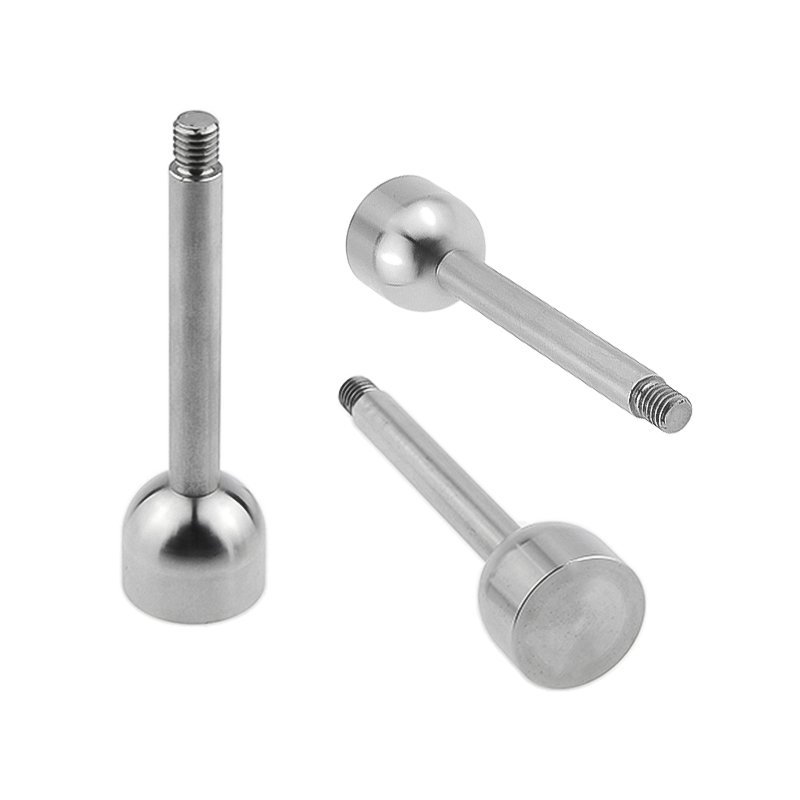




Milled
Housings, valve blocks, brackets, plates and adapters — parts defined by pockets, profiles, machined faces and datum surfaces.
10 parts
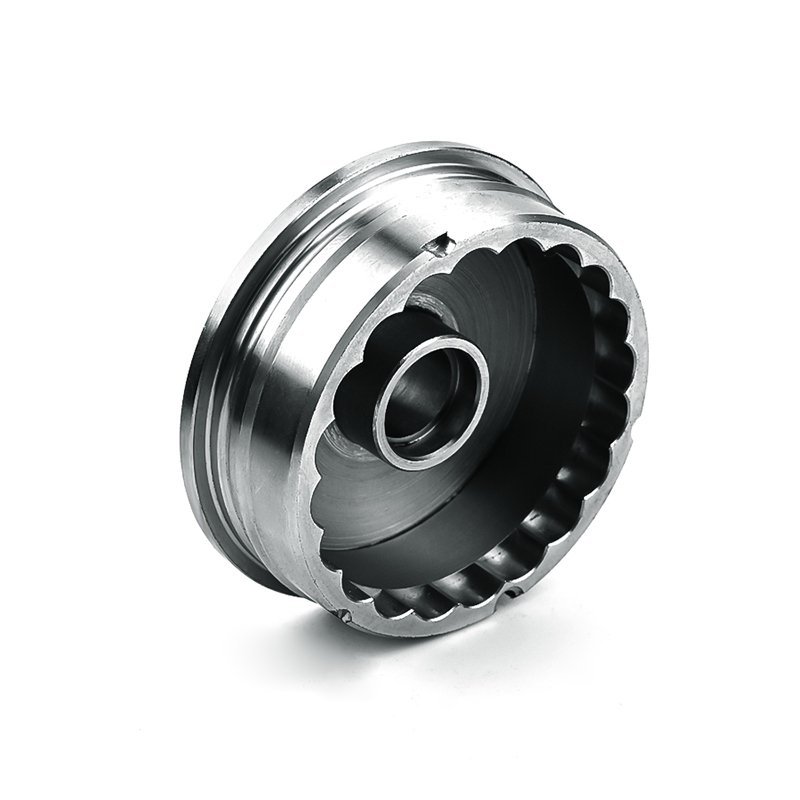
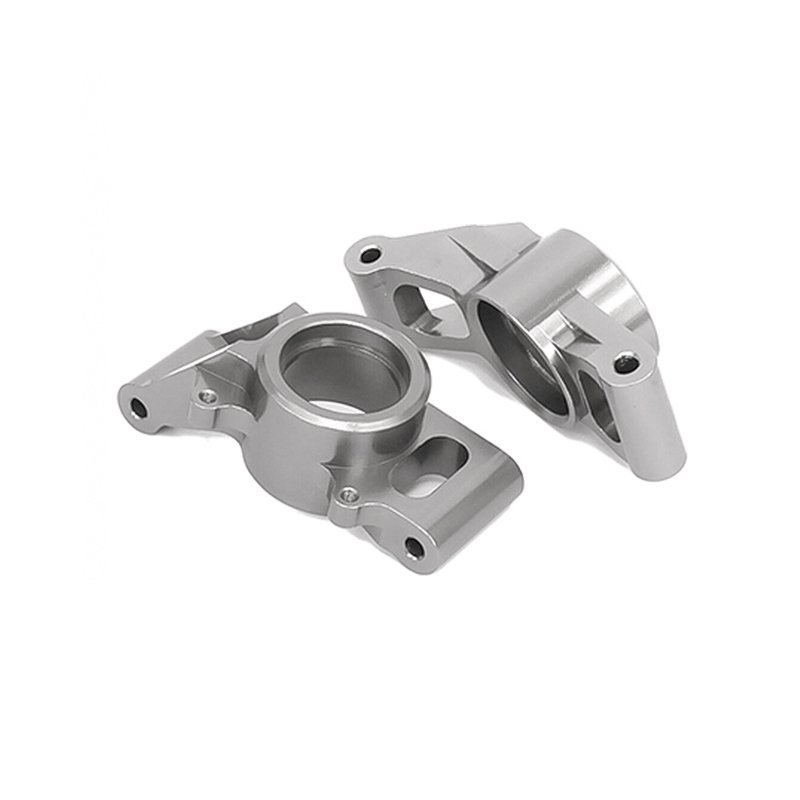
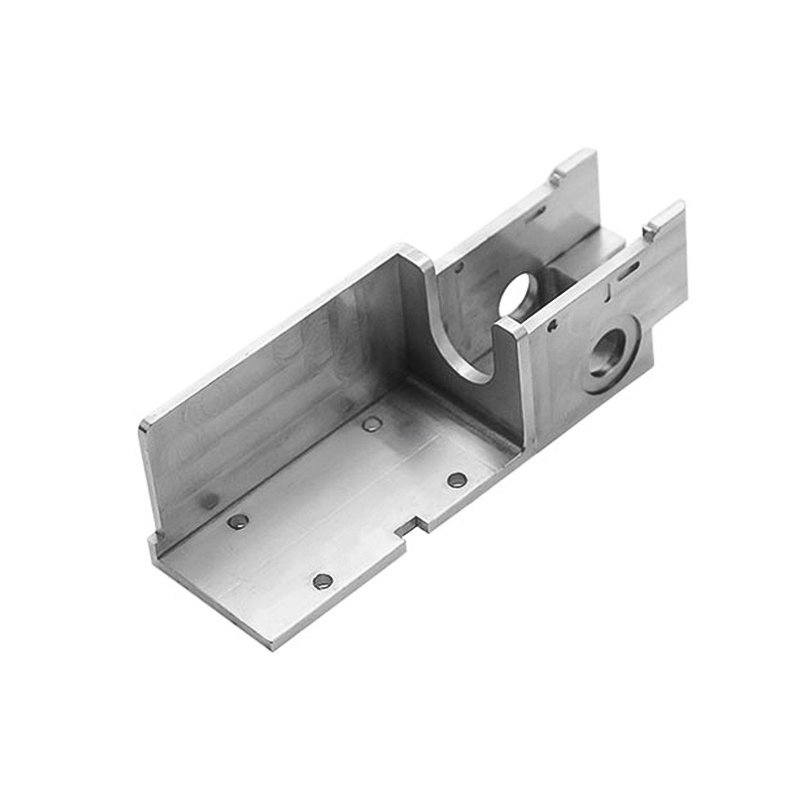


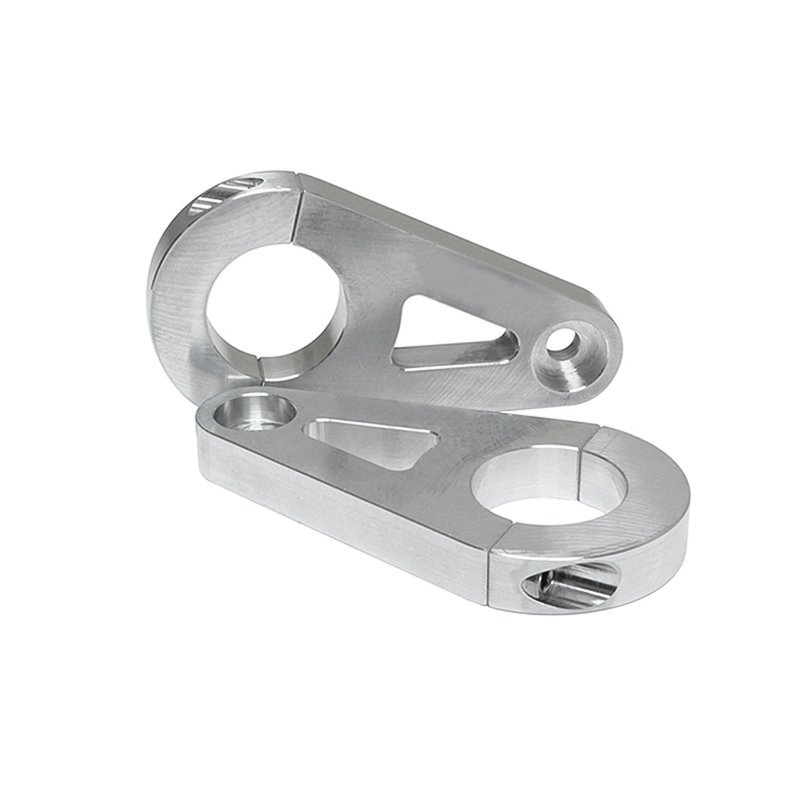

Drilled, bored and tapped
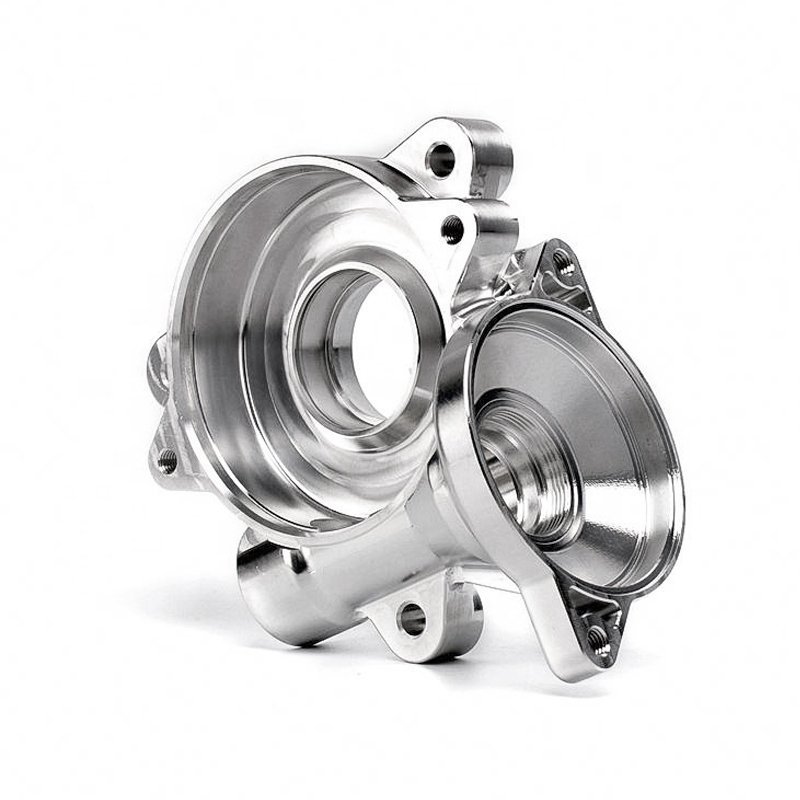
Fittings, adapters, manifolds and valve bodies — parts where the bore, the seat and the thread carry pressure.
6 parts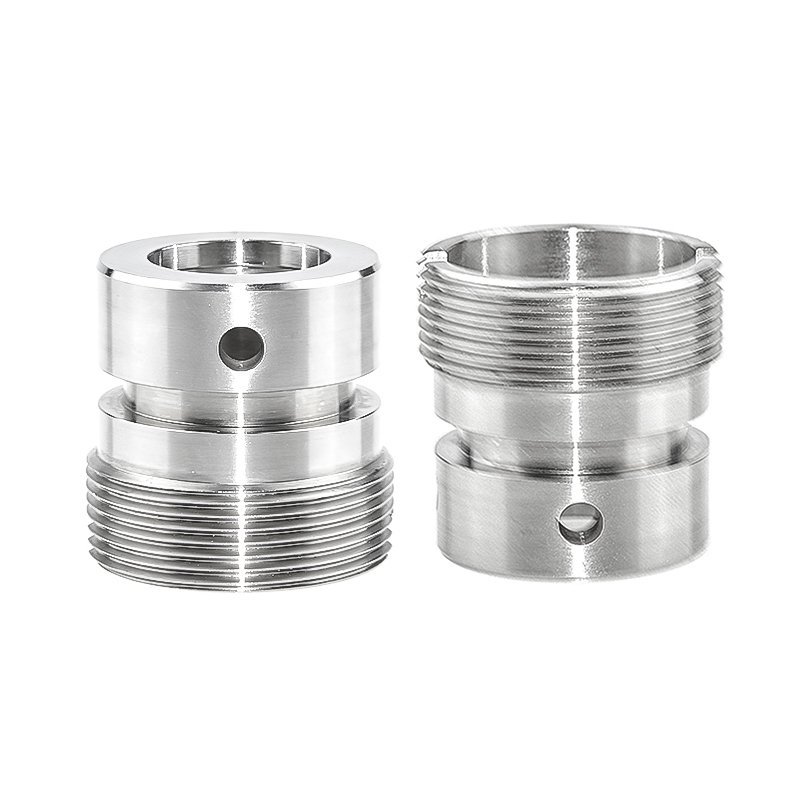



Which stainless,
and what it costs you.
In stainless the grade decides machinability as much as corrosion resistance, and machinability is most of the price. If your drawing does not name a grade, we will propose one with the quote and say why.
Longer read: How to choose stainless steel grades for CNC machined parts
Why a stainless quote
is not an aluminium quote.
The same drawing costs more in stainless, and it is worth knowing where the money goes before you compare quotes. None of this is a reason to avoid stainless — it is a reason to design for it.
It work-hardens under a dull edge. If the tool rubs instead of cutting, the surface gets harder than the material underneath and the next pass is worse. That is why feeds stay committed and why we would rather quote a proper cutter than a cheap cycle.
Cycle times are longer. Surface speeds run well below aluminium, so a part that mills in twenty minutes in 6061 can take three or four times as long in 316. Quantity affects stainless pricing more than it affects aluminium.
Tooling wears faster. Tool cost per part is a real line item in stainless, especially on deep pockets, small radii and long-reach features. Opening a corner radius or shortening a pocket often saves more than changing the grade.
Thin walls fight back. Stainless is stiffer but cuts with higher forces, so thin walls and unsupported features chatter. Tell us which walls are structural and which are cosmetic, and we will fixture accordingly.
Corrosion resistance is not automatic. Machining leaves free iron on the surface; without passivation a 316 part can still rust. If the part goes anywhere wet, say so and we will specify it.
Passivation is not
a cosmetic step.
It removes the free iron machining leaves behind so the chromium oxide layer can reform. It changes no dimensions, and on a part heading for wet or washdown service it is the difference between stainless and stained.
Finishing routes
What to tell us
Standards, acid types, acceptance tests and how to write the callout are covered in our specification library.
Read the guide →What we can hold
on a stainless part.
Published on the page so you can rule us in or out in thirty seconds. If a feature on your drawing sits outside it, we say so in the quote.
Machining envelope
Tolerance and finish
We publish how to specify
the features we machine.
Eighty articles written by the people who cut the parts. These are the ones that matter most on a stainless drawing.
Send the drawing.
Six things let us quote a stainless part without a round of questions. Miss one and we will ask — but the quote takes a day longer.
- 3D model STEP / IGES
- Dimensioned drawing PDF
- Grade and condition or ask us
- Quantity, and repeat volume required
- Critical tolerances and datums if any
- Service environment and finish if any